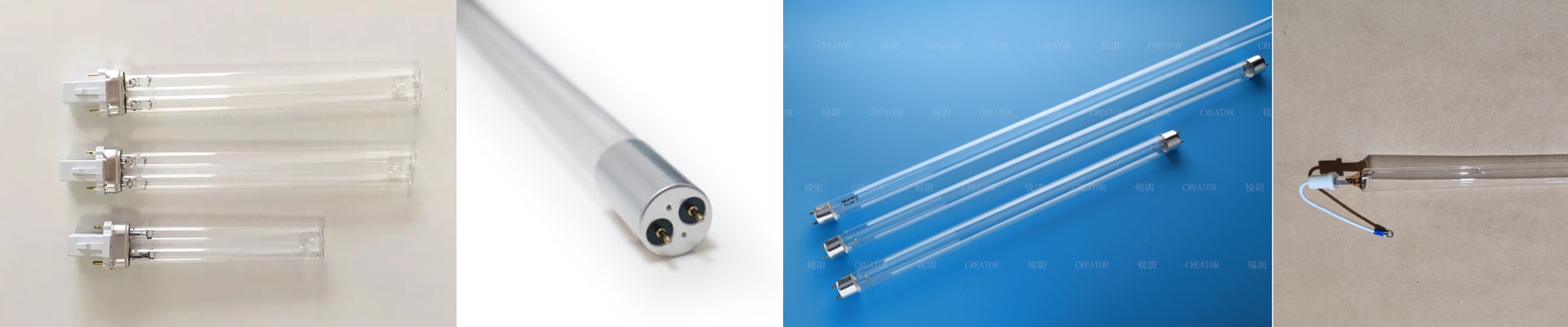
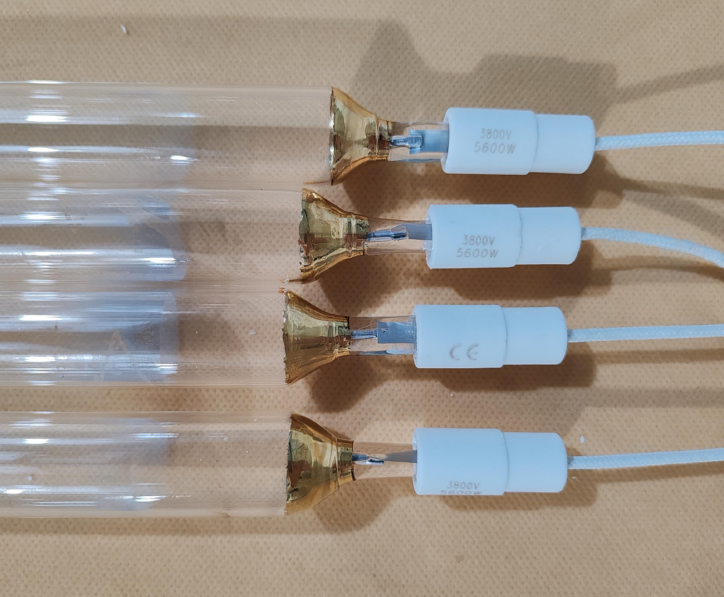
CE Certification: It’s Not Just a Sticker
If you’re trying to move UV lamps into high-end markets, you’ll quickly realize that having the brightest bulb in the room isn’t what closes the deal. It’s about the boring stuff—the Low Voltage Directive (LVD) and Electromagnetic Compatibility (EMC). When we talk about CE certification for our UV lines, we’re really talking about whether the ballast is safe to touch and if the arc stays stable when things get hot.
The Nitty-Gritty of Electrical Safety
Let’s be real: UV lamps are high-voltage beasts. If your insulation is sloppy or your grounding is an afterthought, you’re looking at arc-overs or total equipment failure right when your customer needs it most. That’s why we obsess over the details. We build our lamps to take a hit from voltage spikes without flinching. The CE audit process basically forces us to prove everything. We have to document exactly how the quartz envelopes handle heat and make sure the electrodes are seated perfectly. If the wiring isn’t exactly right for the current draw, the lamp just burns out. Period. Then there’s the “noise” problem. High-frequency electronic ballasts can be loud—not in sound, but in electrical interference. If you don’t handle that, you’ll leak noise into the power grid. EMC testing is what keeps your gear from acting up. It ensures that when you plug in a bank of 20 UV lamps, you aren’t accidentally crashing the PLC that runs your entire conveyor belt.
Getting Your Foot in the Door
High-end buyers in Europe and North America aren’t gamblers. They aren’t going to risk a factory fire or a massive lawsuit just to save a few bucks on an uncertified lamp. For them, CE is the bare minimum. It’s the peace of mind that the lamp won’t leak ozone into the room or shatter under pressure. Now, there is a catch. Getting these certifications costs more upfront in R&D. It means it takes a bit longer to get a new wattage out the door. But it’s worth it. It means you don’t have to worry about customs seizing your shipment at the border. You get a product that just fits right into the regulatory world of your target market. Without those stamps of approval, you’re basically locked out of the premium leagues.