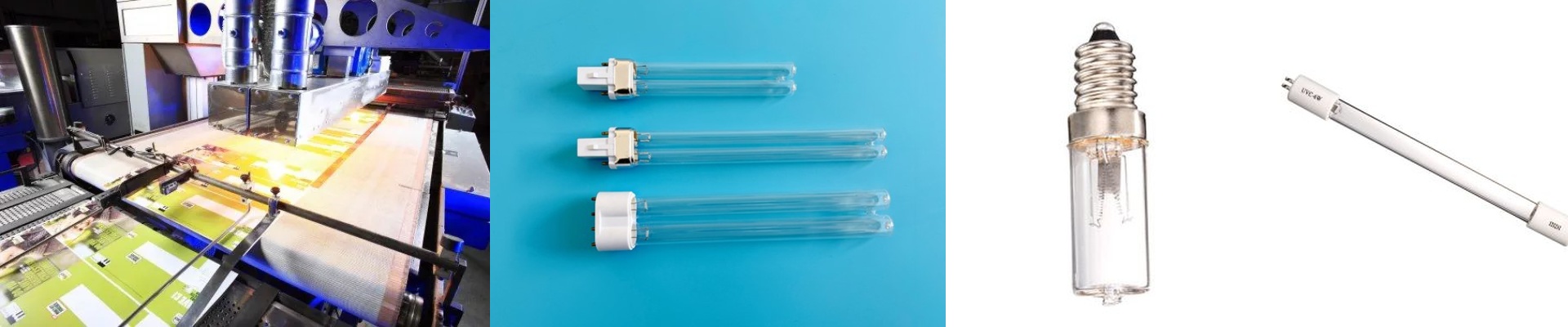
How UV Lamps Actually Work in a Textile Mill
Most people think UV lamps are just for killing germs or tanning. But if you’ve spent any time on a textile floor, you know they’re the secret to getting a garment from a roll of fabric to something you can actually wear. It all comes down to a process called photopolymerization. That’s a fancy way of saying we use light to turn liquid glues and inks into solids—and we do it instantly.
The Journey Through the Line
It starts way back at the beginning with pretreatment. We use UV lamps to set the sizing agents and coatings that keep yarns from fraying while they’re being woven. If you skip this, your fibers just fall apart. Then comes the digital printing. This is where it gets cool. We hit UV-curable inks with high-intensity shortwave radiation, and the ink sets in milliseconds. No bleeding. No smudging. Just fast, clean lines that let the machines run at full speed. Later on, we use them for the “special” stuff—like making a jacket water-repellent or fire-resistant. The trick here is getting the light to punch through the weave of the fabric so the chemical bond actually holds.
Picking Your Gear: Mercury vs. LED
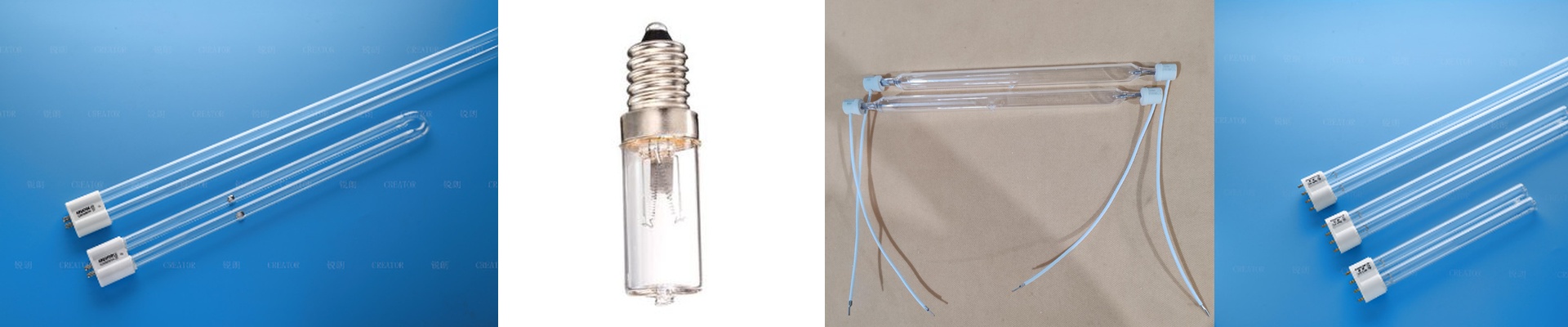
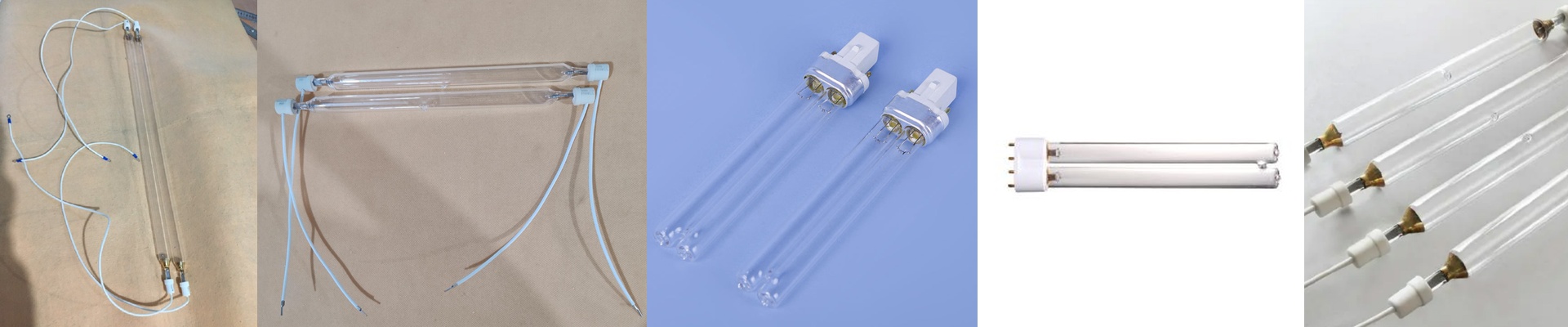
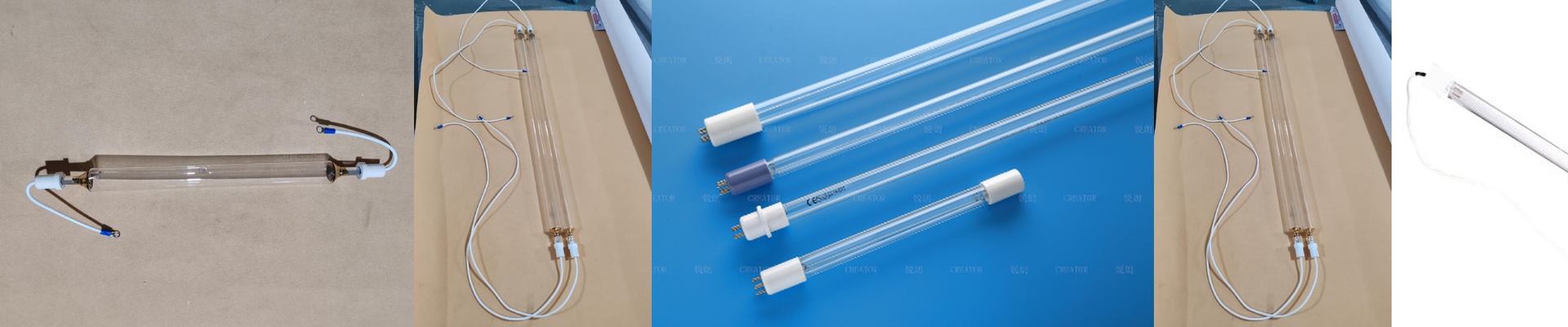
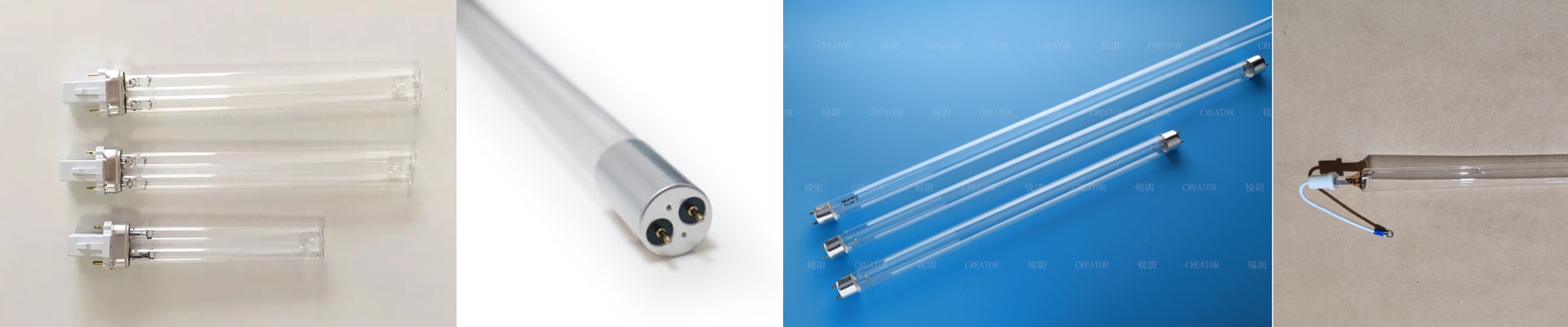
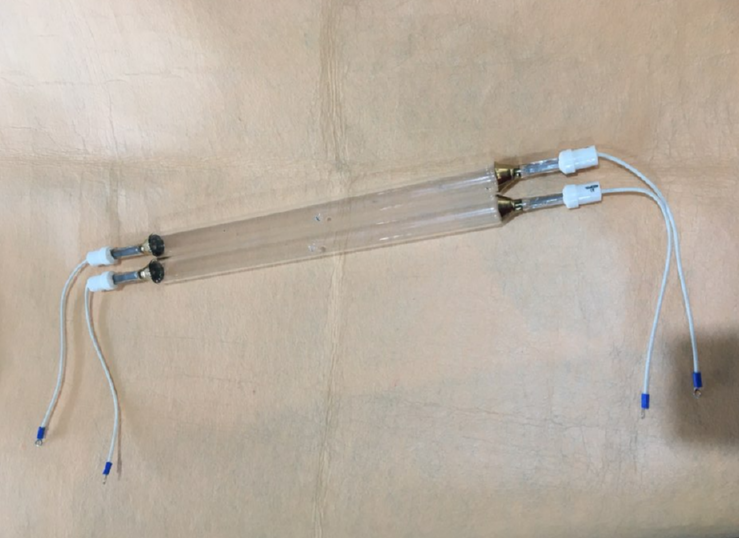
You’ve basically got two choices here, and it’s a bit of a trade-off. First, there are the medium-pressure mercury lamps. These give you a broad spectrum of light, which is great if you’re dealing with thick, heavy coatings. But man, they gethot. You’ll need a serious cooling system, or you’re going to end up scorching your fabric. Then you have UV-LEDs. These are more precise—they hit specific wavelengths. They stay cool, they last forever, and they don’t eat as much power. The catch? They cost more upfront. It hurts the wallet on day one, but over a three-year run, you’ll save a ton on electricity and cooling.
Real Talk: Setting It Up on the Floor
Here’s the thing: alignment is everything. If your lamp is even slightly off-center, you’ll get uneven curing. That means you end up with “tacky” spots on the clothes that feel sticky to the touch. It’s a nightmare for quality control. I always suggest syncing your conveyor speed to the lamp’s wattage. If you decide to speed up the line to hit a deadline, you’ve got to crank up the power or add more lamp heads. Otherwise, the fabric isn’t getting enough “dose” to set properly. And for heaven’s sake, don’t forget the shielding. UV leakage on the shop floor isn’t just a safety violation—it’s dangerous for your team. Keep it covered.