Keeping Your UV Lamps Steady When the Shop Gets Loud
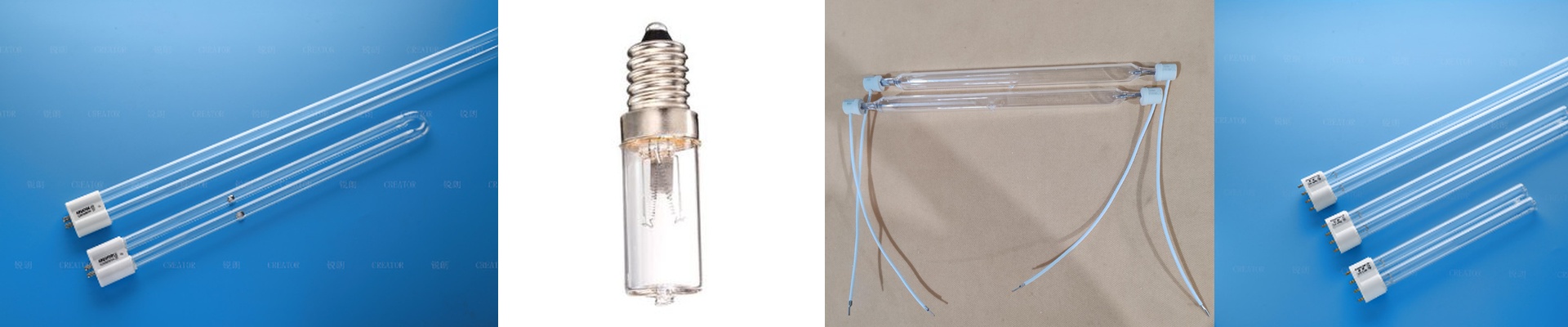
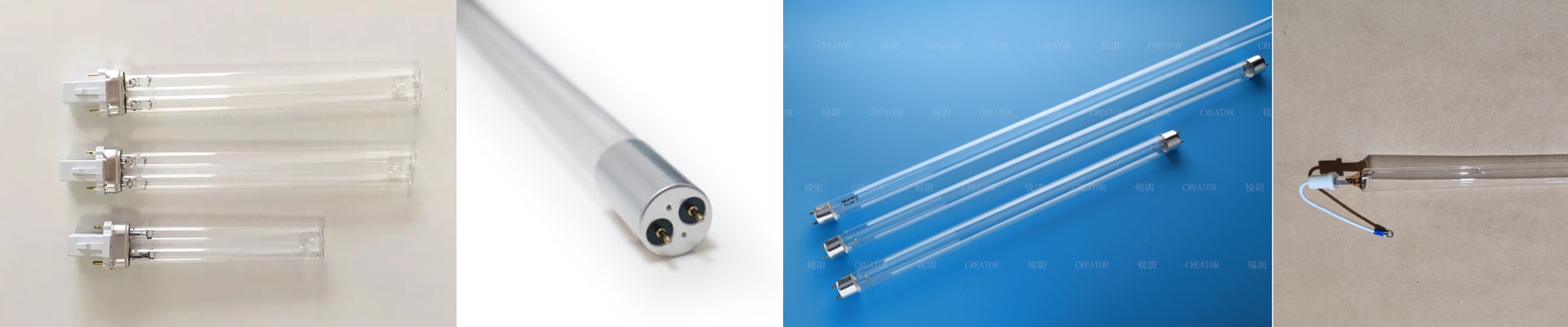
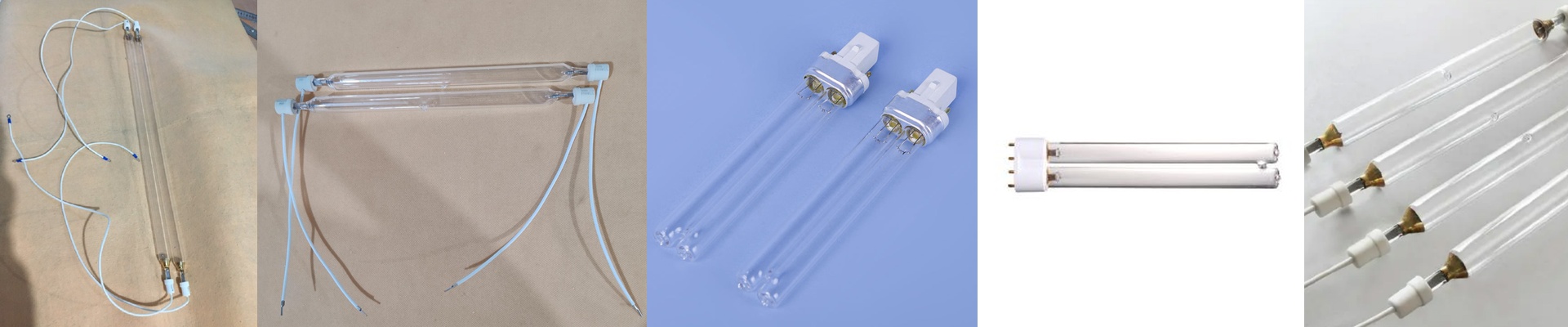
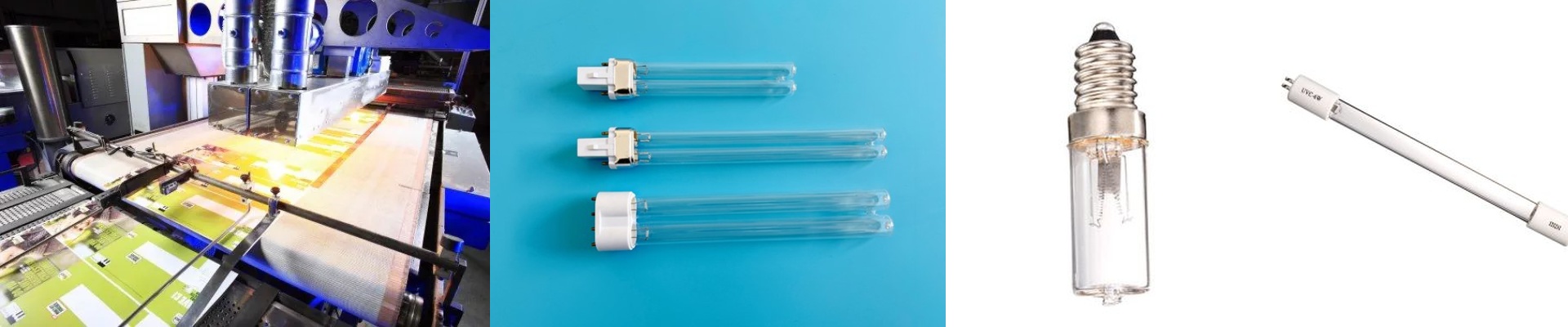
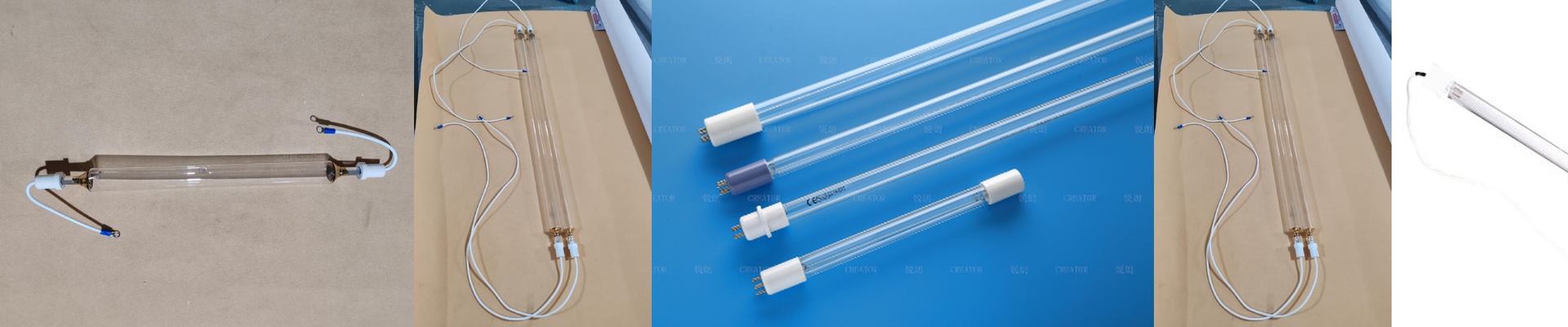
If you’re running high-speed curing, you probably know the 120W/cm mercury lamp. It’s the industry standard for a reason. But here’s the problem: when you’ve got a handful of massive printing presses all pulling from the same power grid, keeping that arc steady is a nightmare.
The headache of “electrical noise”
Print shops are noisy. I don’t just mean the sound—I mean the electrical chaos. All those big motors and frequency converters kick off electromagnetic interference (EMI) that loves to leak into your UV power supply. When that happens, your lamp flickers. Or worse, the arc just dies. And we’ve all been there. The arc drops, the ink doesn’t cure, and suddenly you’re staring at a mountain of scrapped material. It’s frustrating and expensive. To stop that, we build our systems with reinforced shielding and filtered inputs. It basically acts as a wall, keeping that electrical junk away from your lamp.
The nitty-gritty on stability
The 120W/cm rating is all about how much heat and UV you get per centimeter. To keep that output from jumping around, the ballast has to be spot on with voltage and current. We spent a lot of time focusing on how the lamp ignites and stays lit. Our gear is built to shrug off the voltage spikes that happen every time a piece of heavy machinery nearby kicks into gear. It just stays on.
The trade-off (The “Catch”)
Now, let’s be real. High power density means a ton of heat. Our lamps can handle the electrical noise, but that 120W/cm output puts a massive strain on your cooling. If your chilled water loop or air blowers aren’t up to the task, that quartz envelope is going to overheat. And when it overheats? It burns out early. You get the stability you need, but you’ve got to make sure your cooling setup can actually handle the heat. We’ve put these units to the test in shops with five or more presses running all at once. The arc stayed rock solid. No flickering, no guessing games—just a steady light that does its job.