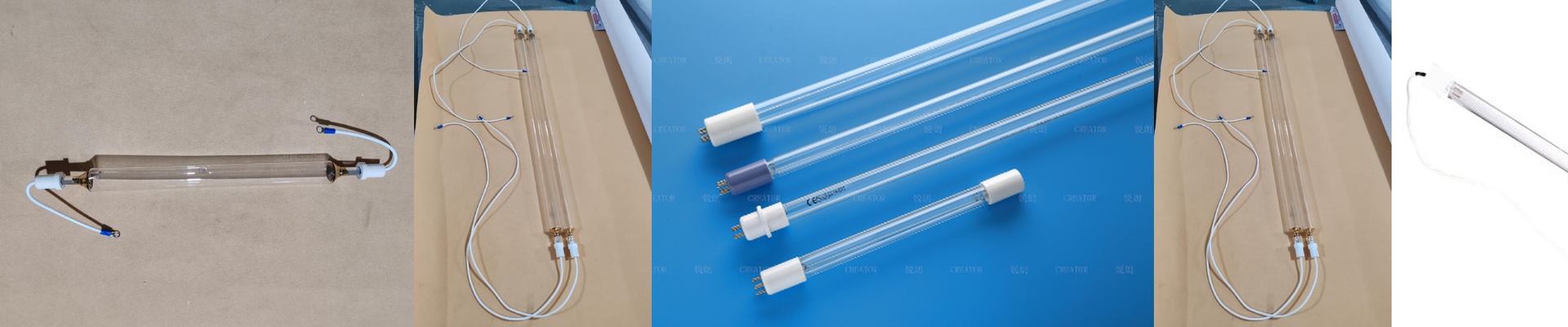
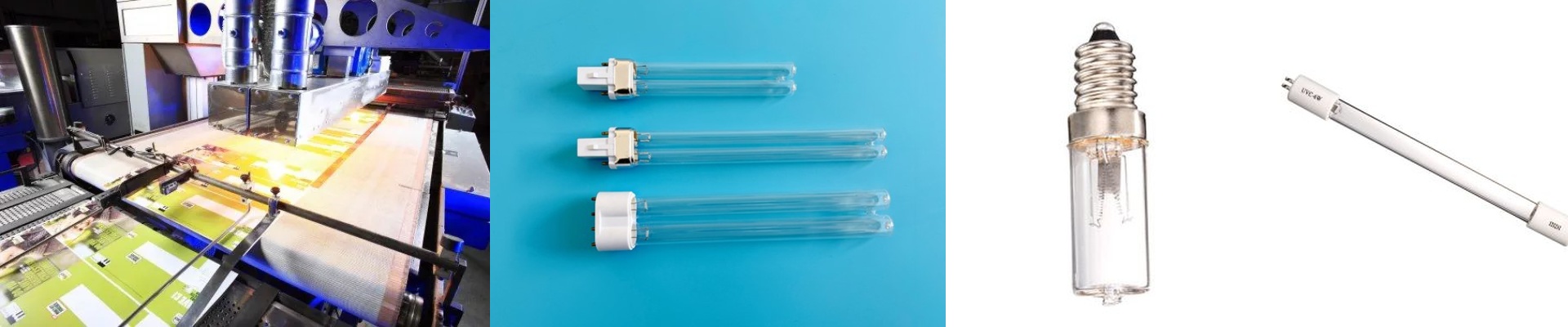
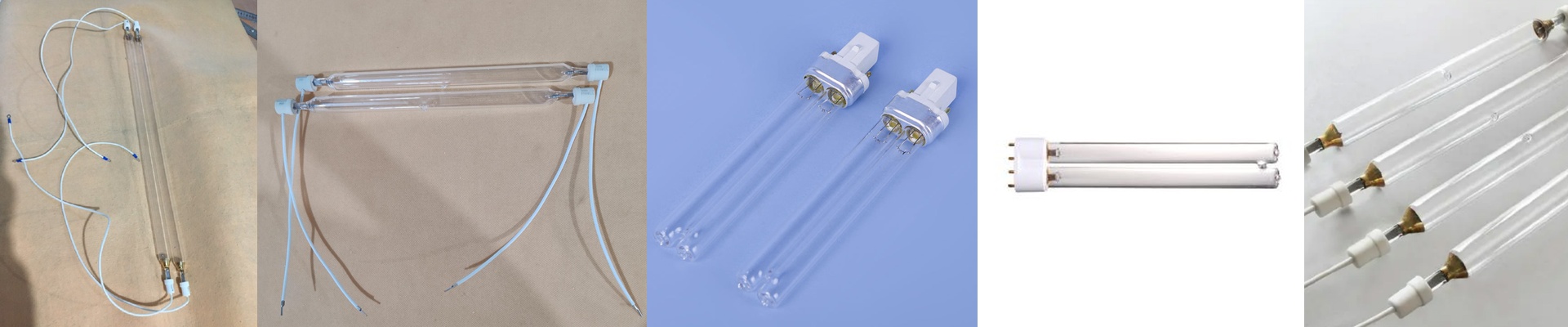
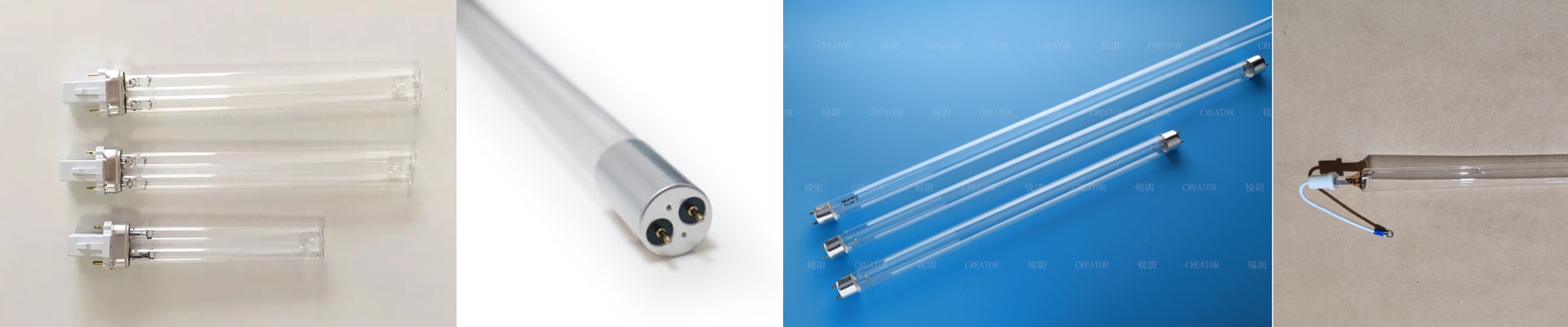
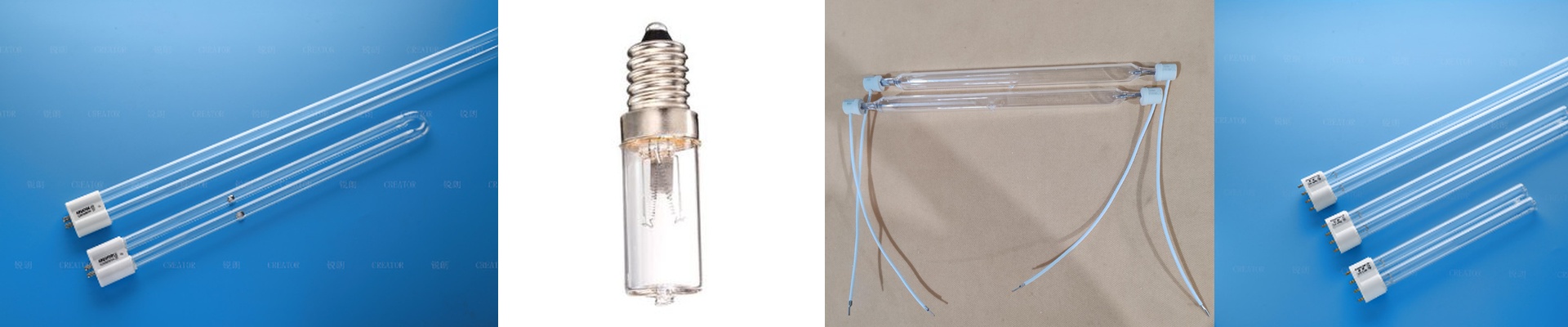
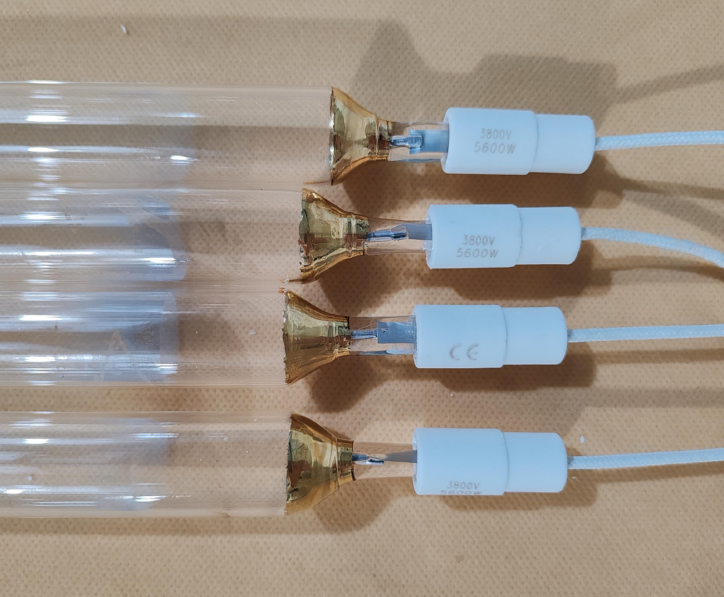
On the floor, the pressure never lets up: you need full UV cure performance, but the electric bill is a constant headache. A standard Mercury lamp pulls serious power, and that draw adds up fast across shifts. The question isn’t theoretical—it’s practical. How do you keep cross-linking consistent and output stable without paying a fortune? Here’s the direction we’re taking: a re-engineered, full-energy-saving mercury lamp built specifically for industrial UV ink drying. What matters under the hood The core is a mercury vapor lamp tuned for high electrical-to-UV conversion efficiency. It holds a stable spectral output, with the 365nm line dominating so it matches the photoinitiators in offset, flexo, and screen inks. The reflectors use a dichroic coating to push more usable UV forward and waste less as heat. Peak irradiance stays above the ink supplier’s minimum threshold—typically ≥800 mW/cm² at the substrate plane—so you get complete surface cure and through-cure at production speeds. Lamp life is targeted at 1,000–1,500 hours, with controlled output decay, so curing energy density stays in spec over the entire service interval. Why it plays in a printing shop In practice, you can keep running at full throughput while cutting energy use by roughly 20%. That reduction in kWh shows up directly on the monthly bill, and you don’t have to sacrifice cure speed or print quality. Because the spectral profile stays consistent, color stays stable and adhesion performs the same way job after job. Fewer lamp changes also mean less downtime and less maintenance labor, which helps overall equipment effectiveness. The details that keep it honest Installation comes down to matching the lamp to the printer’s arc length, wattage, and reflector geometry. If the reflector or ballast is mismatched, irradiance drops and service life gets cut short. If the curing zone is confined, confirm ozone-free operation. And make sure your spectral radiometer readings line up with the lamp’s rated output. For best results, keep an eye on substrate temperature to prevent heat build-up, and set the lamp-to-substrate distance per the manufacturer’s spec.