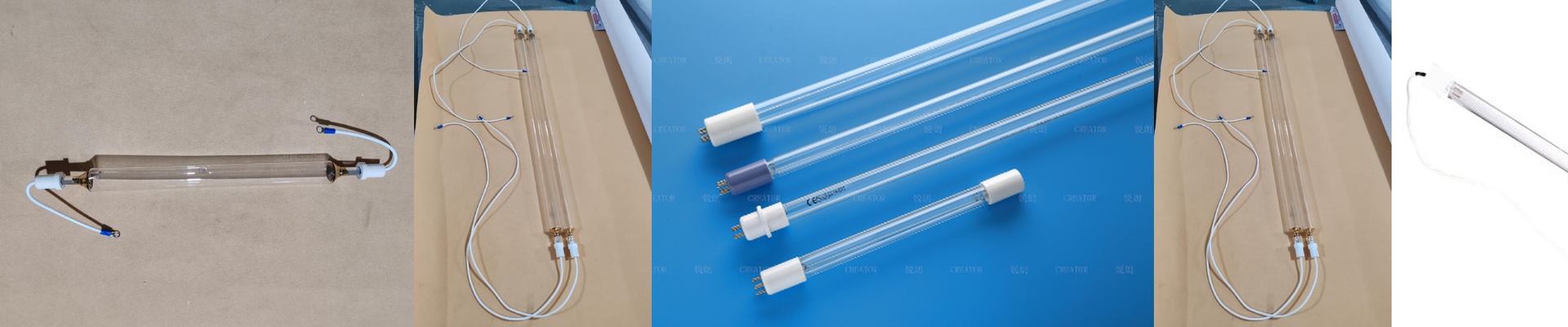
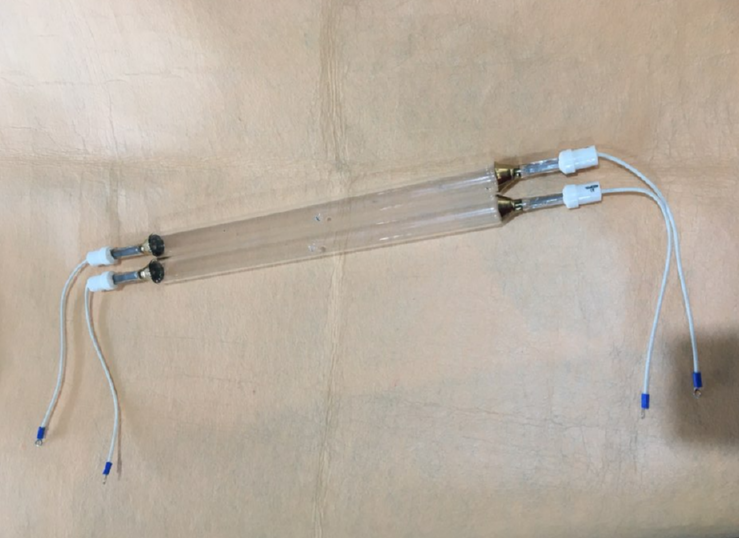
Keeping Your Forensic UV Lamp Ready for the Real Work
Here’s the truth about forensic work: when the lights go down and the evidence starts to glow, you need your gear to just work. No second-guessing. No surprises. Your UV lamp is one of those tools that can’t afford to let you down. It has to deliver consistent, strong light—every single time—because the evidence you’re hunting for depends on it. We build our custom UV lamps to give you the exact wavelengths you need. But even the best-built gear needs a little attention. It’s not enough to just own the lamp. You have to keep an eye on it.
Why intensity matters, and what happens over time
Every forensic UV lamp is tuned to put out a specific amount of energy. But here’s the thing—inside every lamp, the components are slowly aging. It’s a natural process, and it means the output gradually fades. That fade is predictable, but it’s also unavoidable. So instead of waiting for a failure, you stay ahead of it. The simplest way? UV energy test strips. They give you an instant, visual read on what your lamp is really doing. Just place the strip in the beam, and you get a clear picture of its strength. Over time, you start to see the pattern. You can compare today’s reading to the lamp’s original baseline and know exactly where things stand.
The heart of the lamp: quartz and careful engineering
Our lamps use high-purity quartz envelopes. Why? Because quartz lets UV light pass through cleanly, and it can handle the high heat that comes with stable, reliable output. Inside, the gas fill and filament are set up to give you the exact spectrum you need for forensic work. It’s solid engineering, no question. But even the best parts have a service life. That’s where the test strip becomes more than a measurement—it becomes your early warning system. It catches the slow drift in output before it has a chance to mess up an investigation.
A maintenance routine that doesn’t get in the way
Setting up a maintenance habit is easy. When the lamp is brand new, take a baseline reading. Then do a quick test every week or two, depending on how much you use it. Compare the new reading to that baseline. If you see a clear drop in intensity, that’s your signal: the lamp is nearing the end of its life. It takes almost no time. A tiny pause in your day. And it saves you from equipment failing when you’re in the middle of something critical. You turn a potential point of failure into something you control.
The confidence that comes with knowing—before you need it
This simple monitoring approach gives field teams something priceless: confidence. You know your gear is ready before you even flip the switch. The process is fast, doesn’t require special training, and gives you hard, objective data. For forensic teams, that means fewer surprises on scene and more certainty in what you find. The lamp stops being a question mark and starts being a dependable tool you can trust.
Accept the reality: lamps don’t last forever
A UV lamp is a consumable. Even with thoughtful engineering, its output will decline over time. A 2500W system brings serious power, and that power needs proper cooling and electrical support. If you’re running the lamp as designed, your facility’s infrastructure has to be up to the job. Regular monitoring helps you replace the lamp at the right moment. Not too soon—so you don’t waste money. And not too late—so you never risk missing evidence because the light was weak.