Let’s cut to the chase
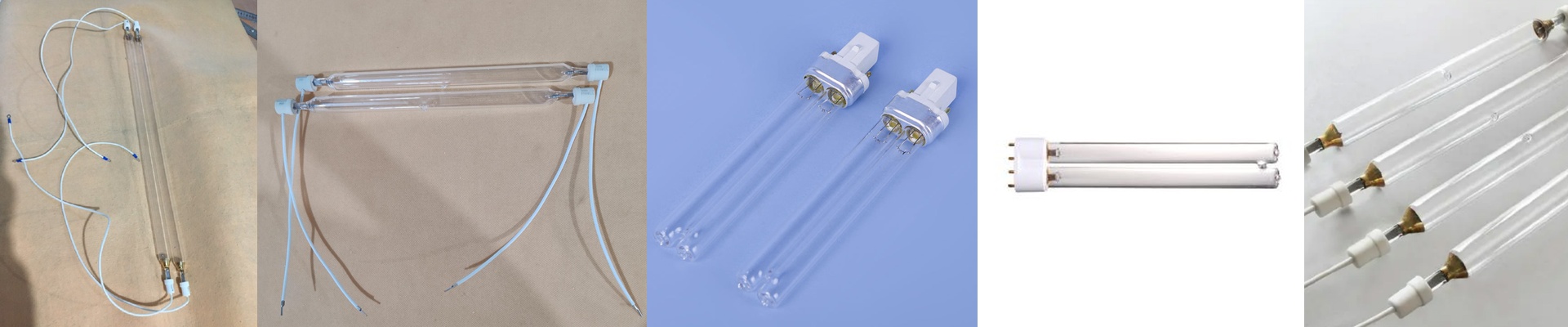
We make halogen heating lamps for industrial work—the kind that needs serious heat, fast. These things fire up instantly, take up barely any space, and just keep putting out steady heat, even when the environment around them is rough. If you’ve got a machine that needs heat in one specific spot—and you can’t redesign the whole line just to make it happen—these lamps are a straight-up, practical solution. They give you precise temperature control without the overhaul.
Power, voltage, and size—what you actually need to know
Most of these lamps run at 2500W and 400V. That combo packs a lot of heat into a short 300mm tube. Why does that matter? Because it means the temperature shoots up fast, and you only heat the exact spot you need. Perfect for spot heating or machines that run on quick cycles. And that 300mm length? It’s all about fitting into tight spots. Crowded enclosures, compact machines—no problem. Just one heads-up: all that power in a small space creates heat. Make sure your machine has the airflow or heat sinking to match. Plan for it, and you won’t be sweating it later.
The guts: quartz, coating, and connectors
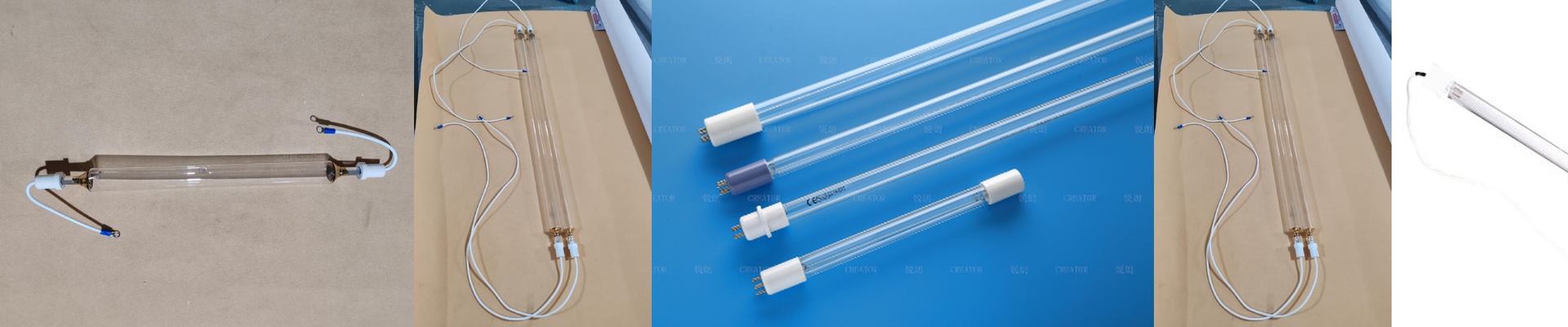
The tube is quartz, plain and simple. It handles the high heat and the constant on-off cycling without cracking under pressure. Inside, the halogen fill keeps the filament healthy, preventing early burnout and keeping the lamp life steady. Then there’s the reflective coating. It focuses the infrared energy forward, so you get directional heat where you want it—and less wasted heat on nearby parts. And the R7s connector? It’s a simple bi-pin setup. Makes these lamps a drop-in replacement in most standard fixtures. Wiring is easy. Swapping them out during maintenance? Even easier.
Where they shine (and what to watch for)
These lamps are a go-to for PET blowing and other plastic forming steps that need quick, localized heat. Their fast response keeps up with tight machine cycles, and the small size makes integration a breeze. But here’s the trade-off: the heat is intense. So you’ve got to plan thermal management and shielding from day one. Don’t wait until you’re in the middle of a run to figure it out.
What about UV lamps and mold?
Now, on to a different topic: UV germicidal lamps. They use shortwave UV, around 254nm, to hit mold and other microorganisms right where it hurts—their DNA. This can stop mold growth on surfaces that are directly exposed. But here’s the catch: UV only works where it can see. Shadows, crevices, porous materials—all of that blocks the light. So mold hiding in those spots can stick around. Think of UV as a team player, not a solo act. It works best alongside moisture control, regular cleaning, and good air filtration. In industrial settings, make sure you size the UV output to the space, and keep an eye on lamp strength over time. That’s how you keep it effective.