Introduction
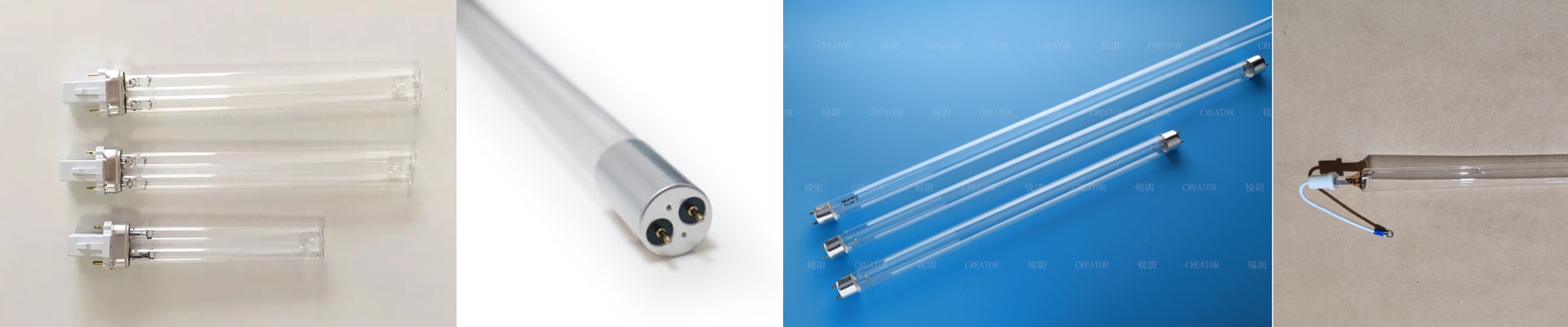
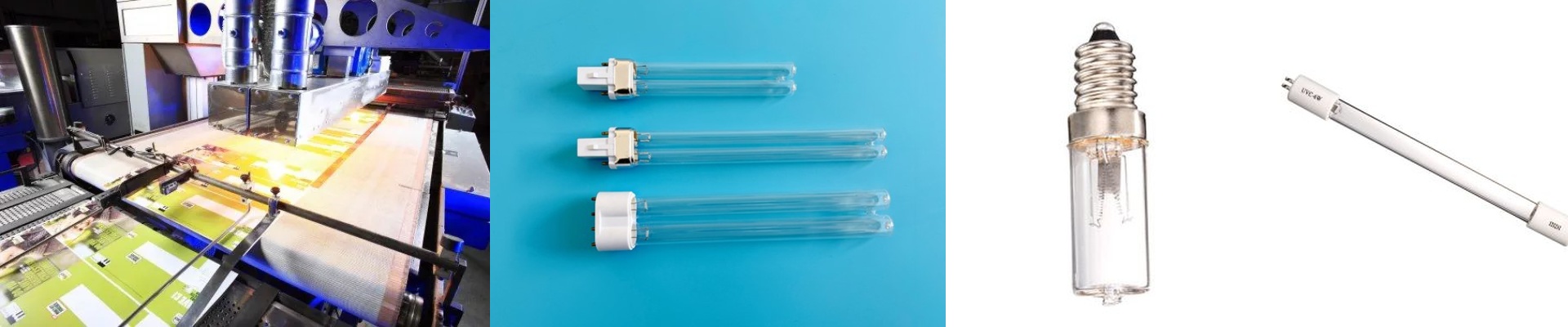
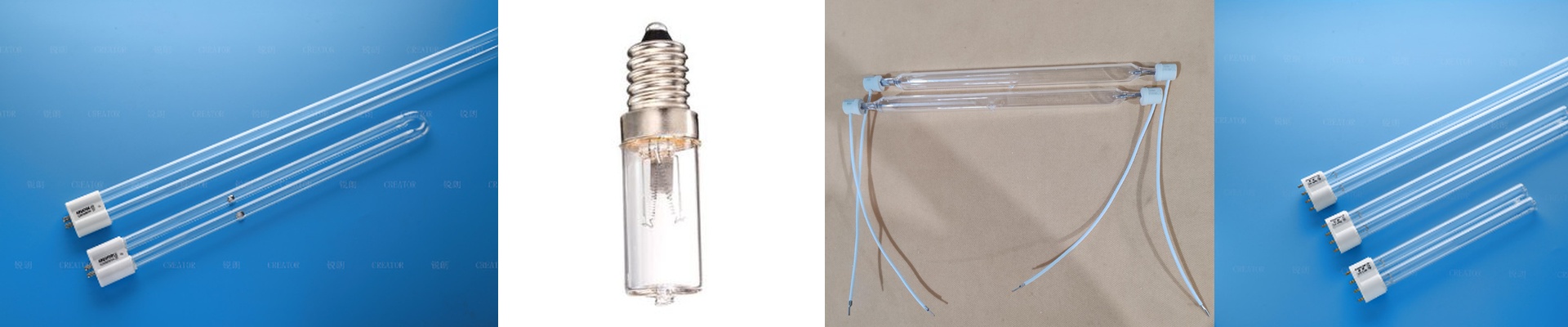
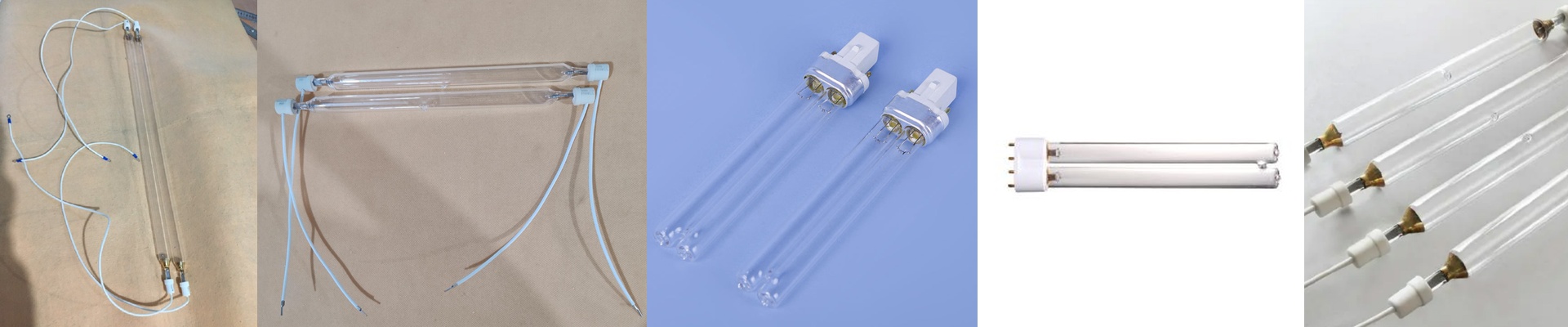
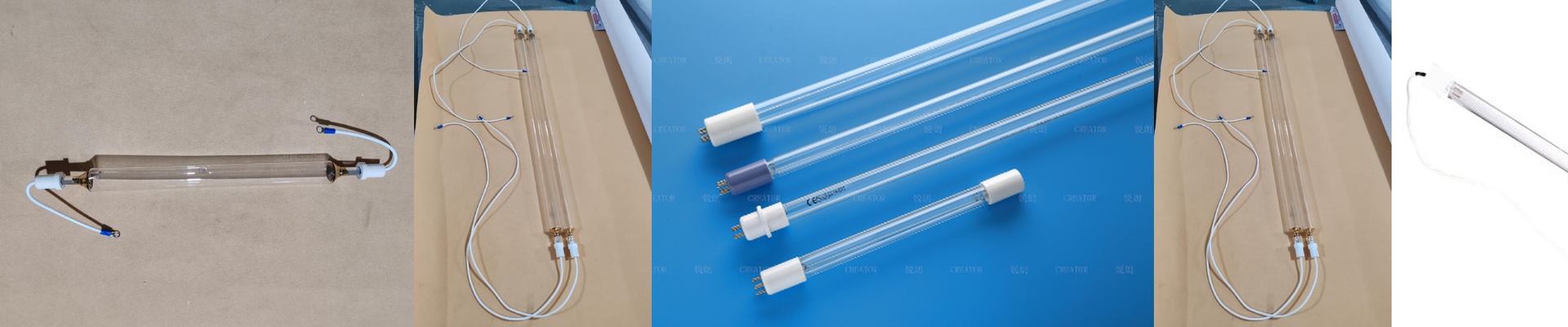
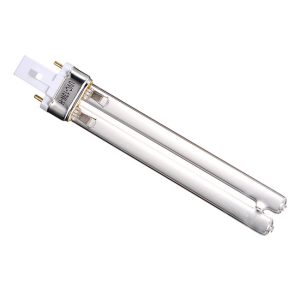
When we put together a Quartz UVC T5 germicidal lamp, we’re not just slapping a bulb into a socket. We’re building something with a real purpose—tuning the exact wavelength needed for the job. Here’s the magic: we can dial in the output—UVA, UVB, or UVC—by tweaking the mercury vapor mix and the blend of internal salts. That means you get the right light for killing germs or curing materials, without pouring energy into wavelengths you don’t even need.
Technical Deep-Dive: The T5 Form Factor
The T5 size gives you the physical footprint, sure, but the shape is what makes the electrical behavior work. These lamps run on a high-frequency ballast. It keeps the arc steady, so no flickering. The voltage and wattage are matched to the tube length to keep the current density just right. Get the length wrong for the power? You end up with dim ends. Make it too short? You risk overdriving the arc. The T5 form gives us a tight, controllable arc gap, and that’s what makes the spectral output so precise.
Material & Design: Quartz and Spectrum Control
Quartz glass is the unsung hero. It handles the high operating temperatures and lets UV pass through efficiently, without blocking the wavelengths you actually want. But the real work happens inside the tube. We fine-tune the mercury vapor pressure and the metal salt blend to shift the spectral peaks. For UVC germicidal work, we keep everything optimized for that 254nm line, while minimizing the longer UV bands. The exterior coating manages heat and protects the arc environment. Inside, the construction keeps the salts in the right phase, even through repeated heating and cooling cycles.
Application & Benefits: Precision for the Plant Floor
Out in the real world, being able to customize the spectrum means you can use one lamp platform for multiple processes. Set it up once, and let the physics take over. For engineers, that means predictable dose, repeatable results, and easier integration. The trade-off is thermal management—focused UVC packs a lot of energy, so your fixture and cooling need to be up to the task. But if you keep the lamp within its thermal window, it holds steady output over its life. That makes it a practical, drop-in replacement when you’re upgrading older UV systems.