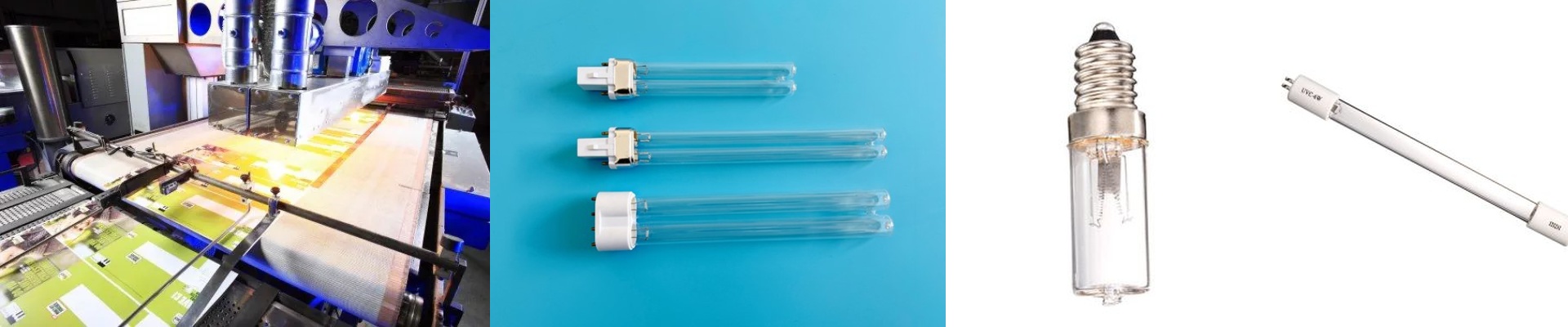
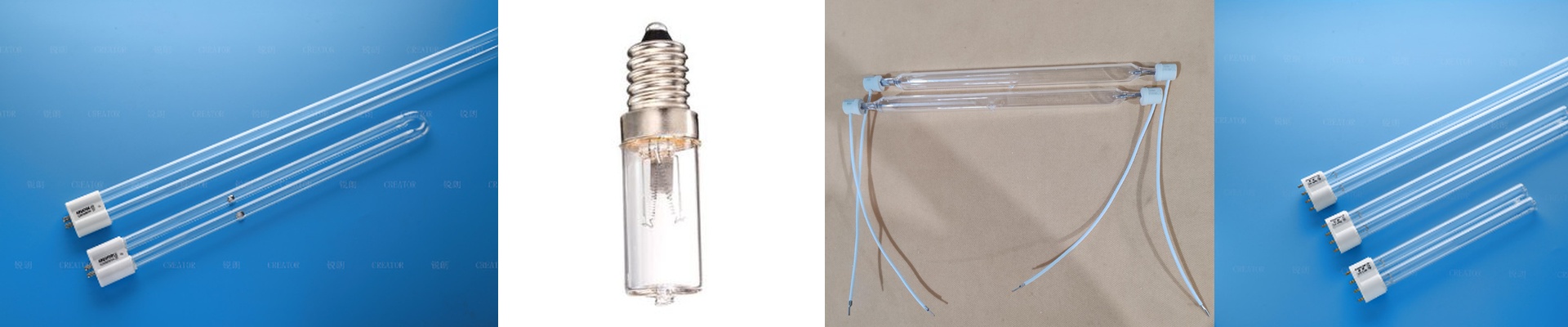
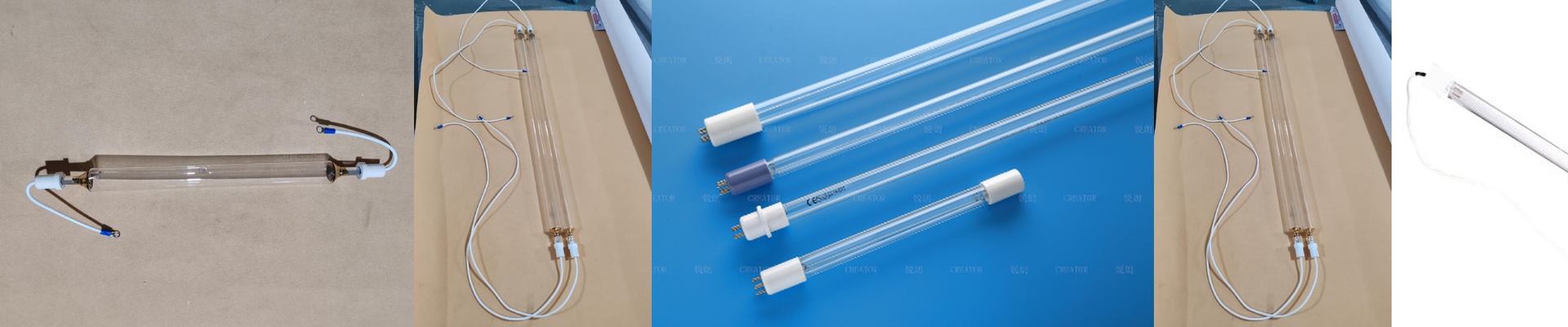
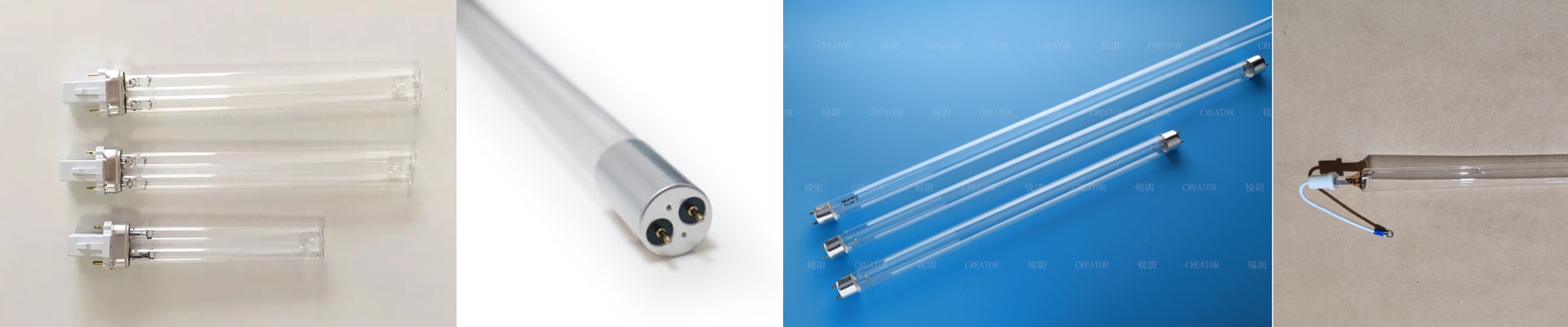
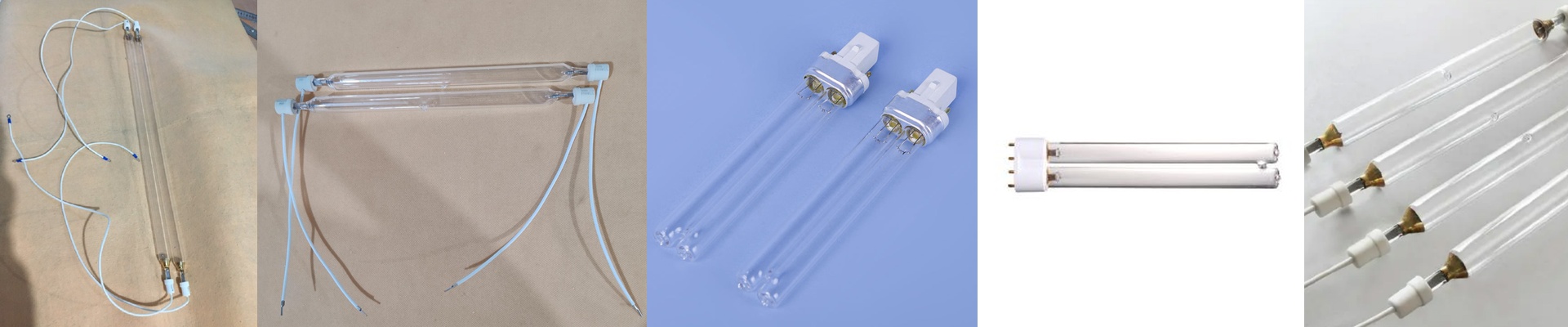
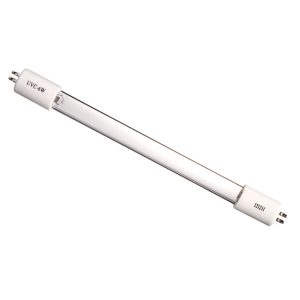
On the plant floor, water isn’t just a utility—it’s a process variable that can make or break yield. When the water loop starts carrying a microbial load, there’s no do-over. If UV intensity dips, microorganisms survive. Survival means contamination, and contamination means line stops, scrap, and rework. In a sterilization chamber, that UV lamp isn’t a bulb. It’s the process limit. We build UV water sterilizer lamps around one engineering objective: deliver stable germicidal output over time, and back it up with a straight answer when performance drifts. If the lamp underperforms within the warranty window, we move on replacement and support immediately—no hedging, no downtime games.
What matters technically: spectral output, irradiance, and stability
Germicidal action isn’t a vague promise. It’s photophysics at 254 nm, where DNA and RNA absorb most strongly. The lamp has to deliver enough fluence (dose) at the target plane, and that dose is peak irradiance multiplied by exposure time. We specify low-pressure mercury vapor lamps optimized for the germicidal line at 254 nm, with controlled output and tight arc geometry. The quartz envelope is chosen for high transmission at 254 nm and thermal stability in water-cooled or air-cooled chambers. Where ozone generation is unacceptable, we use ozone-free quartz formulations that suppress the 185 nm line. Here are the parameters you can measure and verify:
- Peak irradiance at the target window, reported in mW/cm² at a defined distance.
- Delivered fluence (mJ/cm²) across the flow path, calculated from flow rate, chamber geometry, and measured intensity.
- Spectral distribution centered on 254 nm, confirmed with a calibrated spectral radiometer. Stability is where most systems fall apart. UV output decays as the lamp ages—electrode erosion, amalgam shift, quartz solarization. We control that curve through electrode design, fill-gas chemistry, and operating current. In production, you should see consistent output for thousands of hours, with a predictable slope. When you monitor intensity, you want a curve you can plan around, not surprises.
Why this works in practice: uptime, process control, and less operating risk
Water sterilization runs continuously. Your process doesn’t wait for a lamp to warm up, and it can’t tolerate intensity swings. These lamps are engineered for steady-state operation in industrial water loops—fast ignition, stable output once the arc is established. The payoff is process control you can quantify. You can correlate flow rate, transmittance, and measured fluence to a defined log reduction value (LRV) for your target microorganisms. That’s how you move from “we run UV” to “we run 4–5 log reduction at 254 nm, verified.” On the floor, that changes how you handle changeover, maintenance, and quality audits.
- Fewer microbial excursions that lead to batch rejection.
- Simpler validation, because intensity stays consistent and measurable over time.
- Less operating risk, because the lamp is built to run long hours with predictable output drift. Energy and consumables add up. A lamp that holds output longer means fewer replacements, fewer maintenance windows, and fewer chances for human error during swap-over. That’s not theoretical—it translates into less downtime, fewer spares on the shelf, and fewer service calls. We stand behind performance with a warranty tied to measurable output. If the lamp misses the agreed intensity or fluence targets during the warranty period, we replace it and back up the documentation you need to restore process control.
The practical details: integration, monitoring, and real-world constraints
A UV water sterilizer lamp is only as good as the system around it. Two points matter most in the real world. **Intensity monitoring isn’t optional.**UV intensity degrades, and water quality shifts. Put a UV sensor at a representative point in the chamber, calibrate it, and log the readings. Set alarms based on the minimum fluence for your target LRV. Without measurement, you’re flying blind. **Sleeve and window maintenance matters.**Scale, biofouling, and mineral films cut 254 nm intensity faster than most operators expect. Even a thin film can drop output significantly. Schedule periodic cleaning, and inspect the quartz sleeve for scratches and deposits. A real constraint is UV transmission in the water. High turbidity or strong absorption at 254 nm pushes the required dose up quickly. The lamp can deliver the power, but the fluid path has to be designed so the delivered fluence at the outer edges of the flow still meets the sterilization target. In practice, that means sizing chamber length, flow velocity, and lamp power together—not as separate line items. And then there’s compatibility—physical and electrical. Confirm connector type, mounting dimensions, ignitor compatibility, and power requirements before installation. Many systems are sensitive to ballast matching and line voltage stability; mismatches can shorten lamp life and distort output. We design the lamp to be tough, but it still needs the right housing, cooling, and power profile. Treat it like a process instrument, not a commodity bulb. If you’re specifying a UV water sterilizer lamp, start with the target LRV, the flow rate, and measured water transmittance. Match chamber geometry to the required fluence, then select a lamp that can deliver stable 254 nm output at the needed irradiance. When performance is guaranteed and measured, you’re not just checking compliance—you’re running a stable process that won’t surprise you when the stakes are highest.