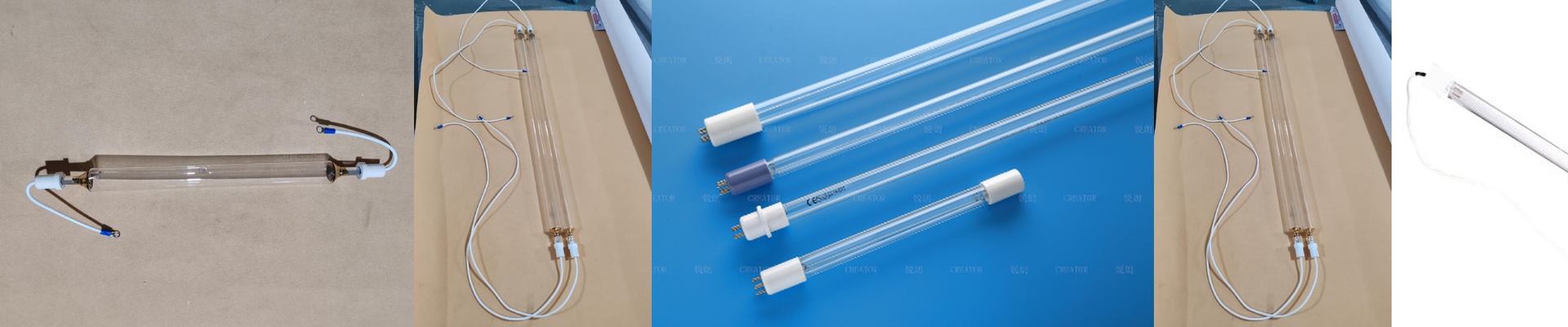
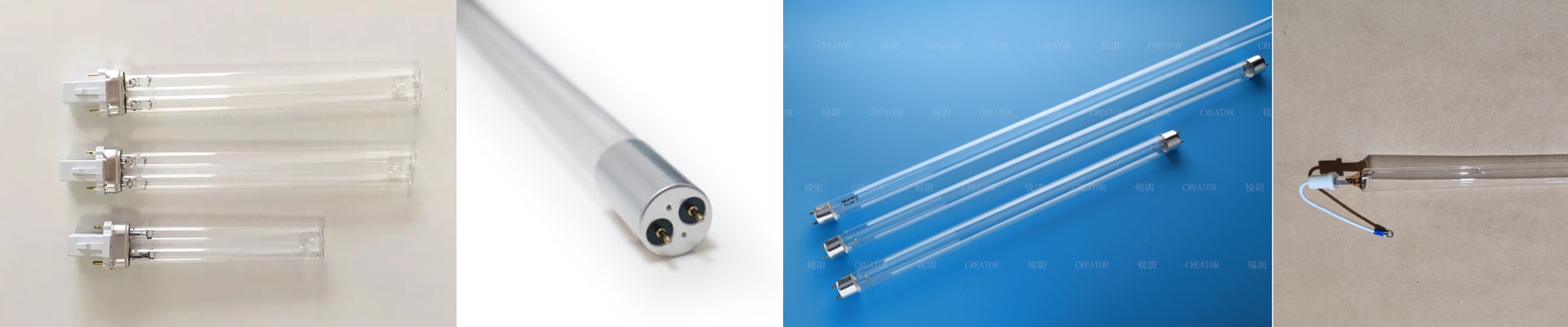
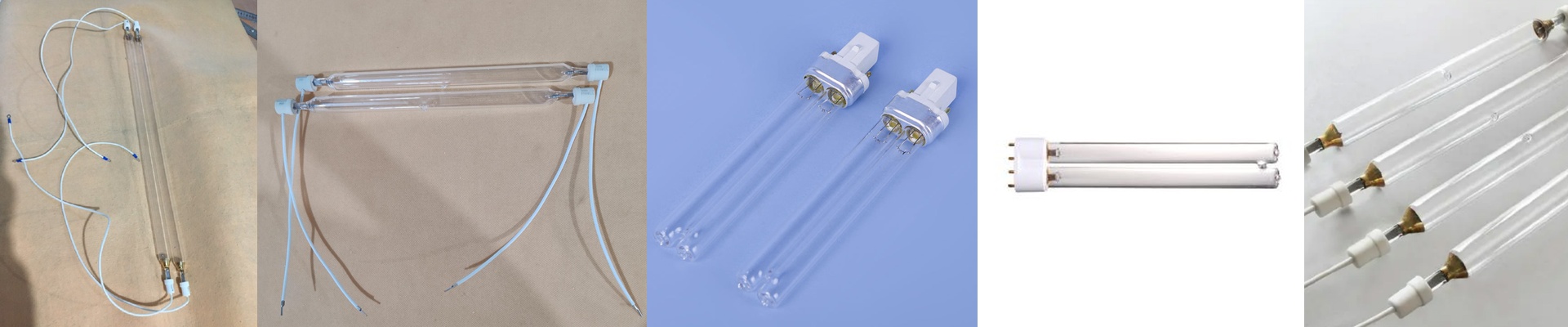
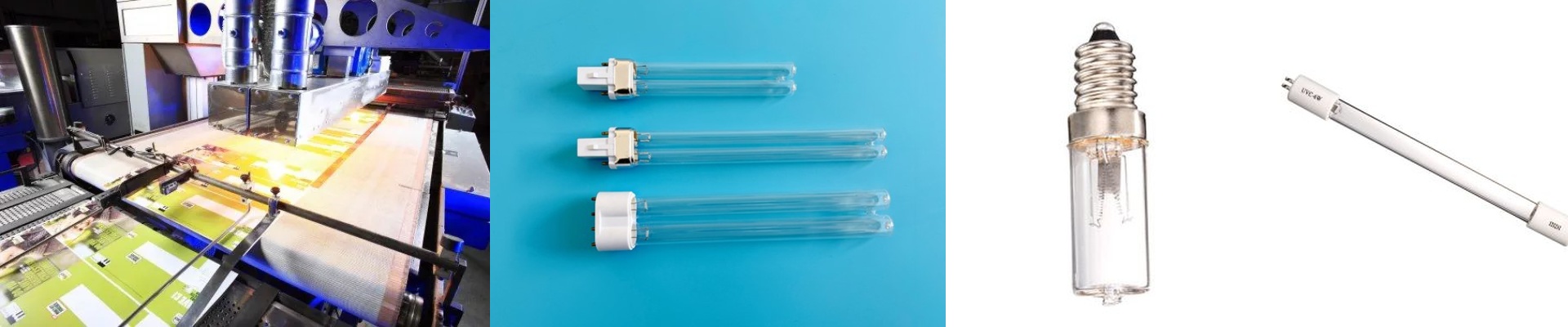
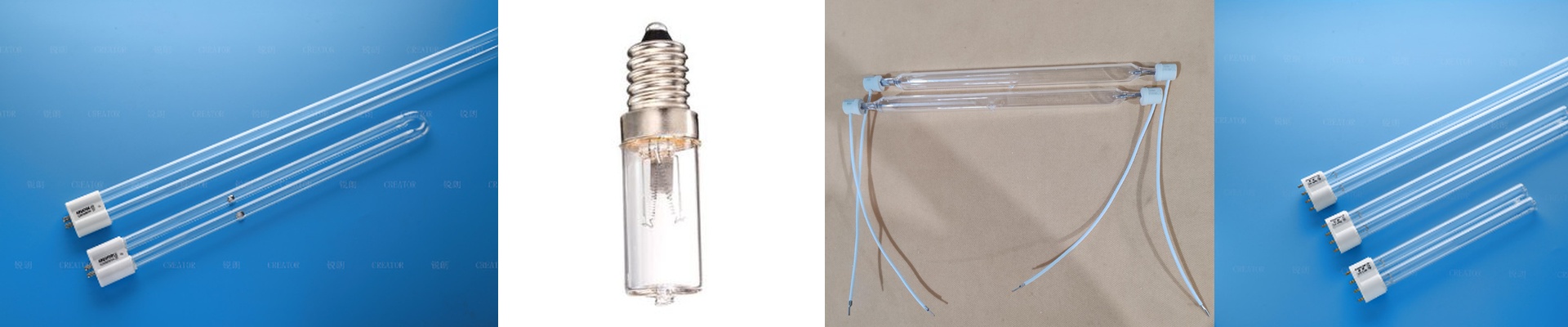
Old offset, flexo, and screen presses start bleeding output the second the original UV systems get tired. You see output drop, lamps lose punch, and the line has to slow just to keep set-off, ink tack, or incomplete cross-linking from ruining the run. We build custom high-intensity UV spot curing units to push back against that drift and get the press back to the cycle speed it was designed for—without scrapping the whole machine. What we focus on, technically We design around the 365 nm mercury emission line, so spectral output stays stable and the photoinitiator gets activated fast. Peak irradiance at the substrate is specified, not guessed at, and the reflector uses a dichroic coating to shape the spectral energy distribution and keep waste heat in check. The lamp arc is stabilized to minimize intensity ripple, so the cure energy density—measured in mJ/cm²—stays repeatable, job after job. Expect real lamp life, too: units routinely run 5,000+ hours with less than 5% output drop, and curing stays consistent even when the press is running wide open. Why this works in the real world On older equipment, the bottleneck is usually curing power and stability, not mechanical speed. Our retrofit UV spot modules drop right into the existing dwell positions and deliver the dose needed to set the ink instantly, which cuts down on off-press makeready and scrap. You get throughput headroom back. You can run thicker ink films with less migration, and you stop getting blindsided by lamp failures. Power draw is managed, and fewer lamp swaps mean less downtime and less maintenance labor. The details that matter Retrofit fit comes down to the exact print station geometry, airflow, and what the power bus can support. Confirm lamp orientation, reflector clearance, and connector compatibility before you start. If the press has limited ventilation, spec an ozone-free variant and make sure the optics stay within thermal limits at top speed.