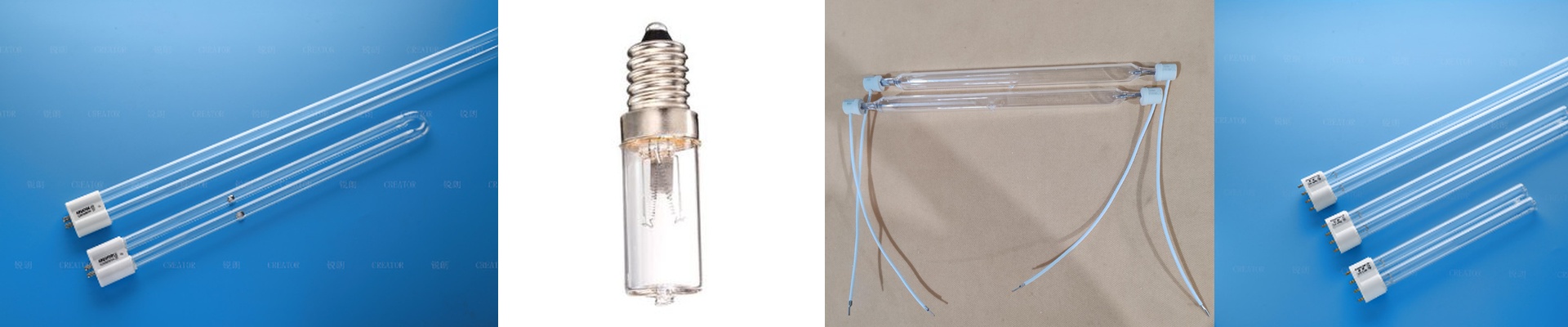
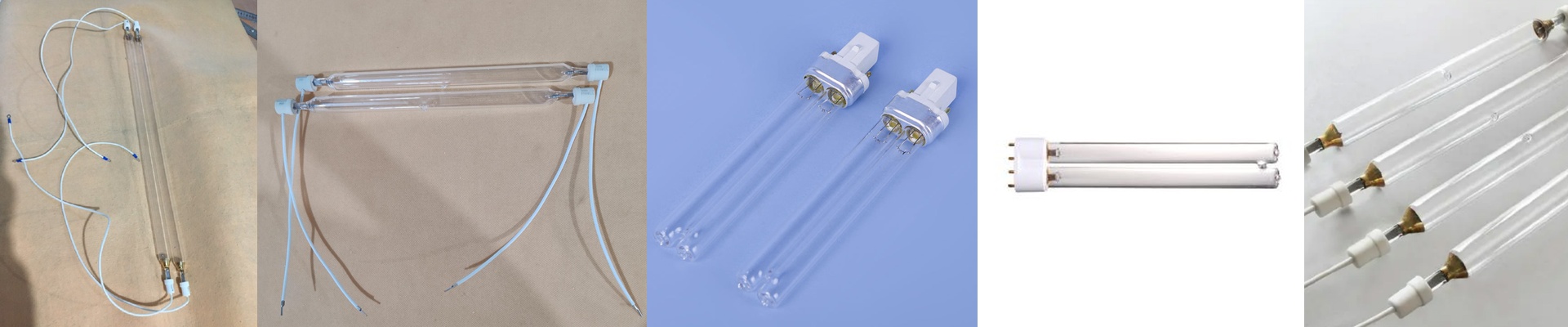
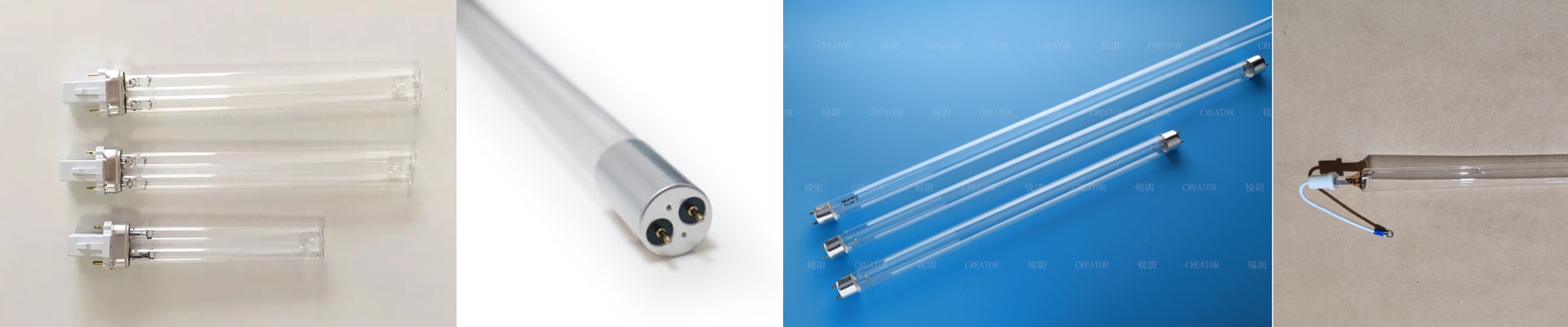
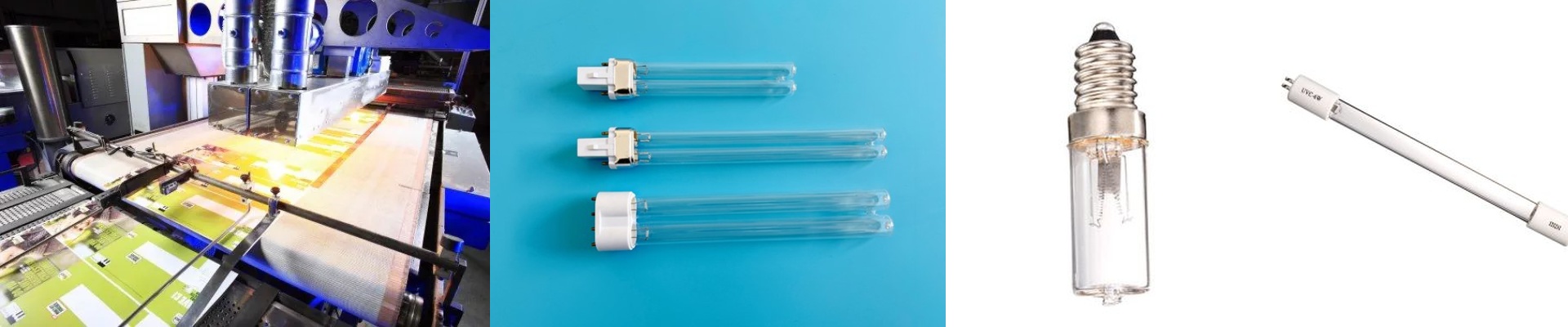
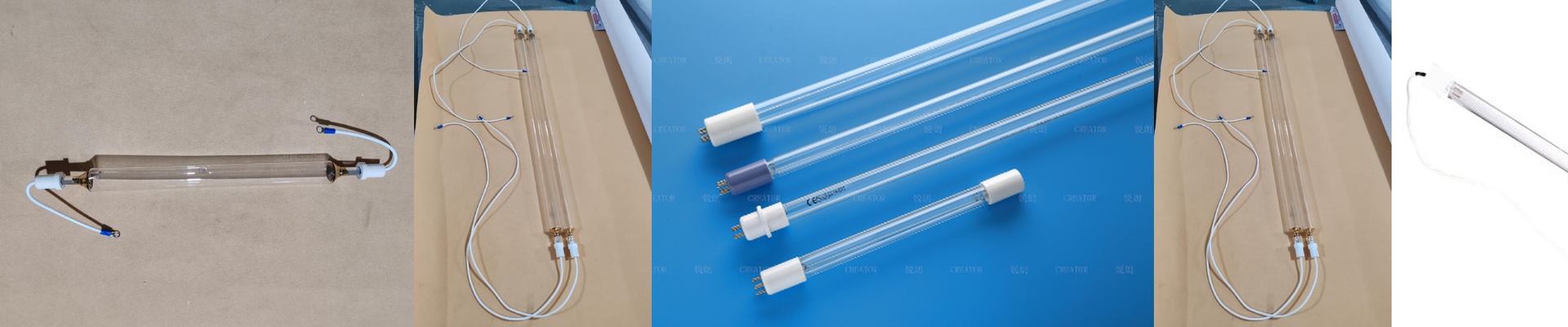
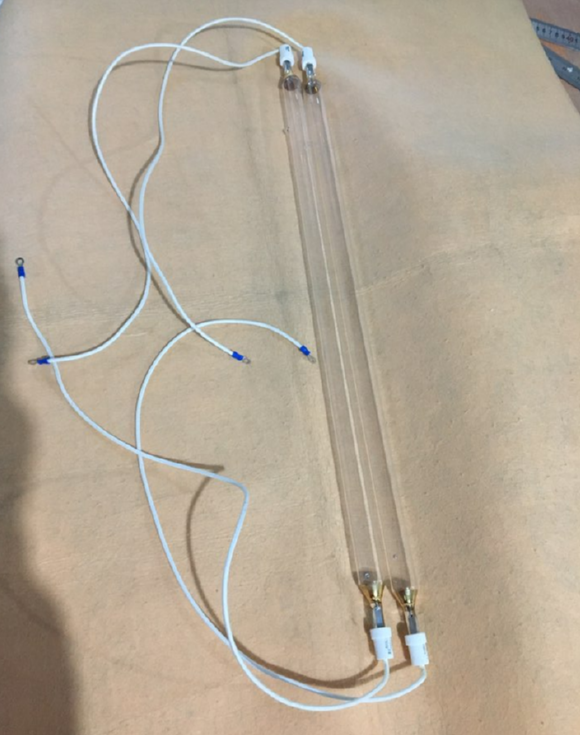
On the press floor, the UV lamp doesn’t just cure ink—it sets the pace. When the line is running, you need repeatable spectral output and steady irradiance so every sheet, label, or substrate gets the same cross-linking. Heat is the problem. In a 5kW mercury-based UV system, electrode temperature and arc stability are locked to the cooling architecture. If the lamp runs hot, output drifts, photoinitiator response gets inconsistent, and cure failures start showing up at speed. We built the Gallium Iodide UV lamp 5kW 400V around one priority: thermal control. Not as an add-on, but as the core of the lamp and reflector system. In production UV curing, power stability isn’t a luxury—it’s the difference between solid cross-linking and a pile of scrap.
Output, spectrum, and thermal behavior—what actually matters
A 5kW, 400V gallium iodide lamp is specified the way it is for a reason. The power level hits the peak irradiance needed for fast-moving offset, flexo, and screen lines, while the 400V supply lines up with typical industrial power—less rewiring, easier integration. The gallium iodide dopant pushes spectral output toward longer wavelengths, emphasizing the 385–405 nm region while still keeping the short-wave energy required for photoinitiator activation. That matters because many modern formulations need a balanced spectral profile to drive surface cure and through-cure at the same time. You need enough short-wave energy to kick off the reaction fast, and enough mid-to-long-wave energy to push through pigments and thick deposits without skinning over. But the best spectrum is worth nothing if power delivery is shaky. In a mercury vapor lamp, the arc’s electrical behavior is tightly coupled to temperature. Without tight thermal management:
- Arc impedance drifts, and power transfer shifts.
- Electrode temperature climbs, accelerating end-of-life.
- Reflector temperature rises, degrading the dichroic coating and moving the effective spectral distribution. So we treat cooling as part of the optical system, not an afterthought. The reflector, lamp jacket, and power interface are engineered as one thermal stack. The goal is keeping the arc and electrodes inside a narrow thermal window so the lamp holds stable output over long runs.
Why cooling design directly affects stability and lamp life
Here’s the question we hear all the time: why does cooling design determine power stability and service life? Because UV curing isn’t just about turning the lamp on. It’s about delivering repeatable energy density at the substrate. When the cooling path is undersized or poorly engineered:
- Electrode temperature rises, increasing end-of-life emissions and shortening lamp life.
- The arc becomes thermally unstable, and output drift shows up as variable cure on press.
- The reflector heats up, dropping reflectance efficiency and shifting the effective spectrum—especially in the 365–405 nm band where it counts. In practical terms, that means inconsistent photoinitiator activation. Some passes get enough photon flux to finish cross-linking; others don’t. You see adhesion problems, poor abrasion resistance, and unpredictable gloss. Our 5kW gallium iodide system uses a cooling architecture matched to the lamp’s thermal load and the reflector’s optical needs. Water flow and heat exchange capacity are sized to keep the lamp jacket and reflector within design limits, so the arc stays stable and the dichroic coating stays intact. The payoff is straightforward:
- Stable irradiance over long runs, so cure results don’t drift.
- Consistent spectral distribution, so formulations cure predictably.
- Less thermal stress on lamp and reflector, which stretches service intervals. On press, that translates to higher speeds without sacrificing cure quality. In screen and label work, thicker deposits cure evenly without skinning. In packaging, you get fewer rejects from incomplete cross-linking.
Integration, compatibility, and the operating realities
This lamp is built for industrial UV curing systems, but it comes with real-world constraints you have to plan for. Cooling has to match the thermal load. A 5kW lamp moves a lot of heat, and the cooling system needs adequate flow and temperature control. Undersized plumbing, weak heat exchangers, or unstable coolant temperature will push the lamp outside its thermal window, and you’ll see output drift and accelerated aging. Electrical integration has to be done right. The 400V rating fits industrial power, but the lamp and ballast must be wired per the system schematic—proper fusing, grounding, and connector integrity. Out-of-spec voltage and current will stress the electrodes and shorten life, regardless of cooling. Optical alignment matters. The reflector and dichroic coating are tuned to the lamp’s output profile. If the reflector is misaligned, contaminated, or thermally mismatched, you lose effective irradiance and spectral control. Keep the reflector clean, maintain the sealing surfaces, and install the lamp to the exact mechanical interface dimensions. And yes, ozone-free design still needs maintenance discipline. Ozone-free operation comes from specific quartz and coating choices, but that doesn’t make the lamp immune to contamination or mishandling. Solvents, fingerprints, and improper cleaning will degrade performance. Match the cooling to the lamp, get the optics aligned, and integrate the electrical properly—then the Gallium Iodide UV lamp 5kW 400V delivers stable spectral output and repeatable curing, shift after shift. That’s how you keep the line moving without compromising cross-linking quality.