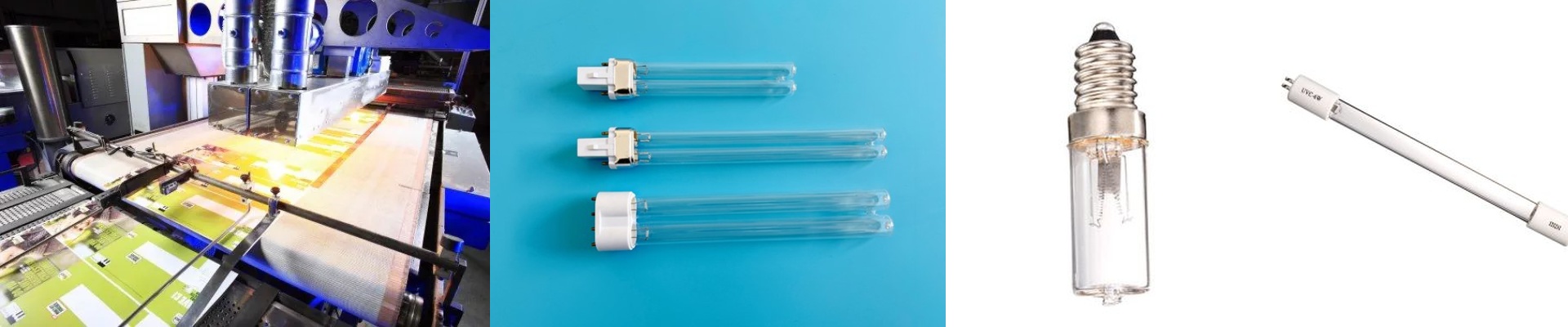
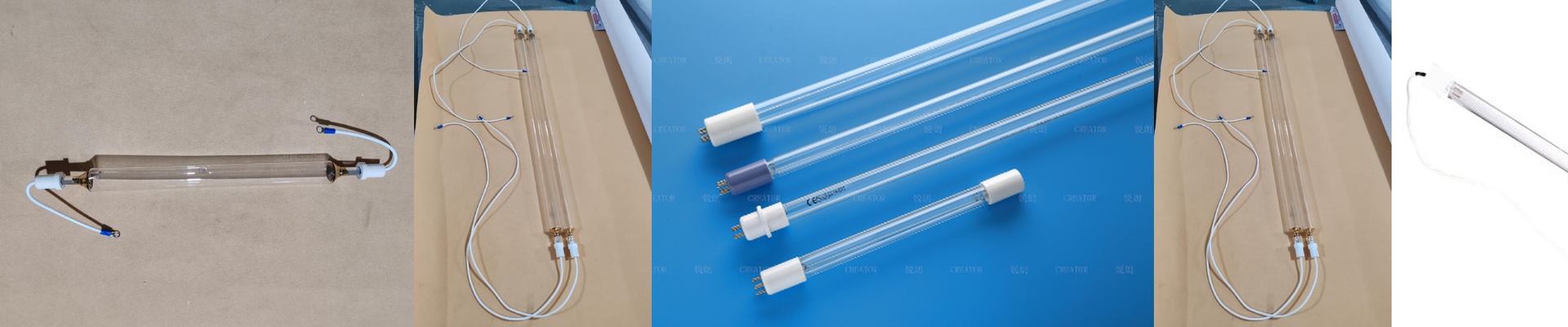
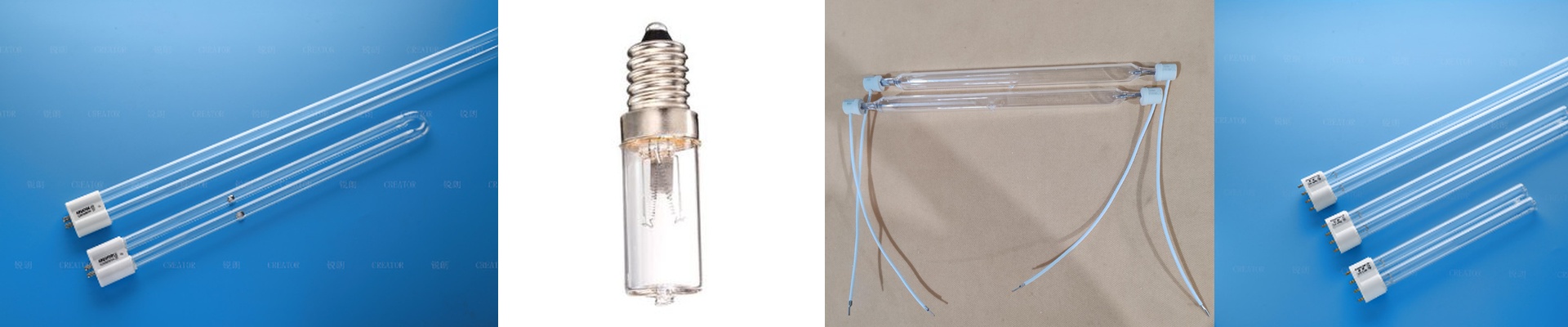
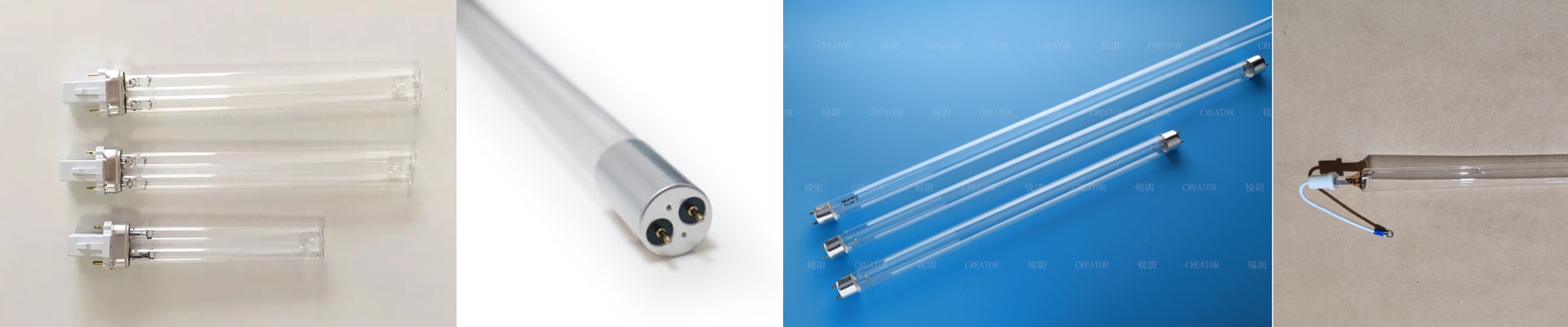
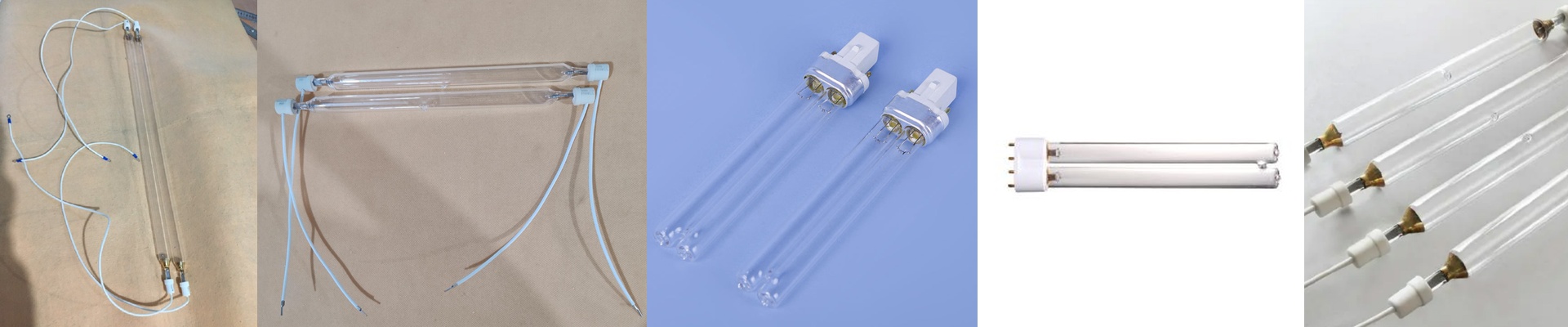
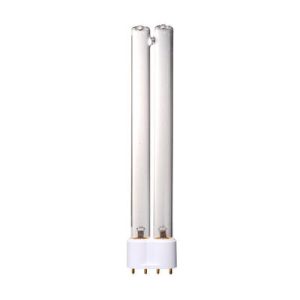
Don’t let a lamp crash run your schedule. On a flexo or screen press, when the UV lamp goes down, curing stops—substrate goes to waste, and you’re stuck reprinting. The fix isn’t just another lamp. It’s a disciplined, data-backed lamp log paired with a compact mercury UV curing lamp built to deliver traceable, repeatable performance. What actually matters in UV curing You’re governed by wavelength, peak irradiance, and delivered energy density. Our compact mercury lamp holds a stable spectral output centered at 365nm—the main wavelength most UV ink photoinitiators are tuned to absorb. Measured peak irradiance at the arc is 1200 mW/cm², and with a high-reflectivity dichroic reflector, you get repeatable energy density at the substrate—typically 600–800 mJ/cm² for standard ink films. We rate lamp life at 1500 hours to the 80% output threshold, and we give you the lamp degradation curve so you can plan replacements instead of guessing. Here is why this works in practice. Once the lamp reports measurable metrics, your lamp ledger turns into predictive maintenance. Track cumulative hours, spectral output drift, and energy density at the cure window. As the lamp ages, you adjust speed or power to keep the cure dose consistent—so you avoid under-cure and adhesion issues. The compact form fits existing retrofit slots on common presses, and stable output reduces job-to-job variability, which helps you hold tighter color with fewer rejects. A few shop-floor details that matter. Match the lamp to your reflector geometry and shutter interface. A mismatched reflector wastes irradiance and chews up lamp life. Confirm power supply compatibility—voltage spikes accelerate electrode wear. Expect a warm-up period before the spectral output settles, and schedule lamp changes during planned maintenance so you don’t get blindsided mid-run. Run the lamp at its rated power and keep the reflectors clean. Do that, and the energy density curve stays predictable—so your lamp ledger stays useful, not just paperwork.