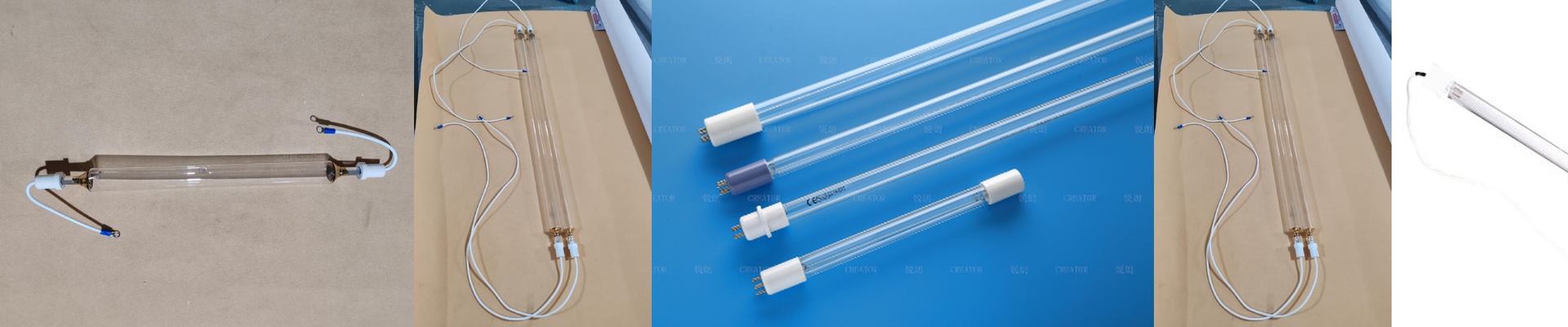
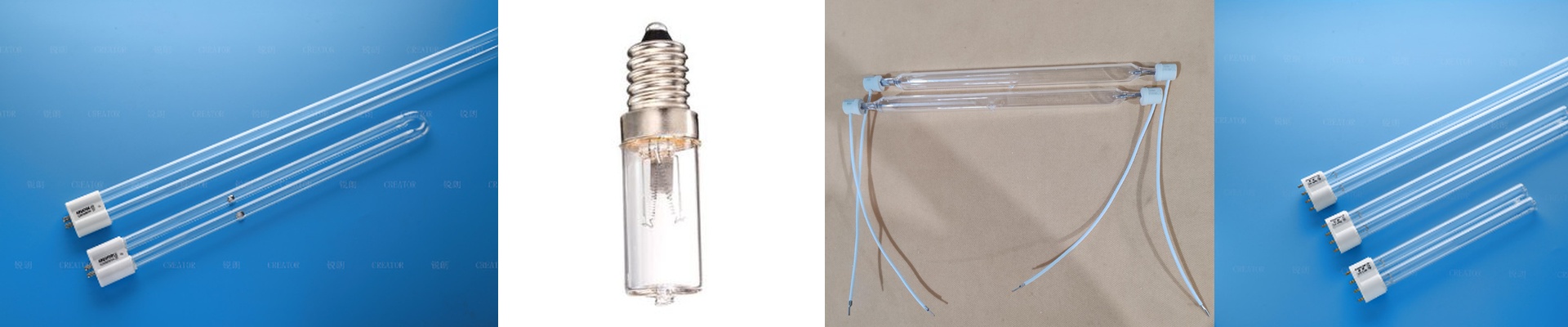
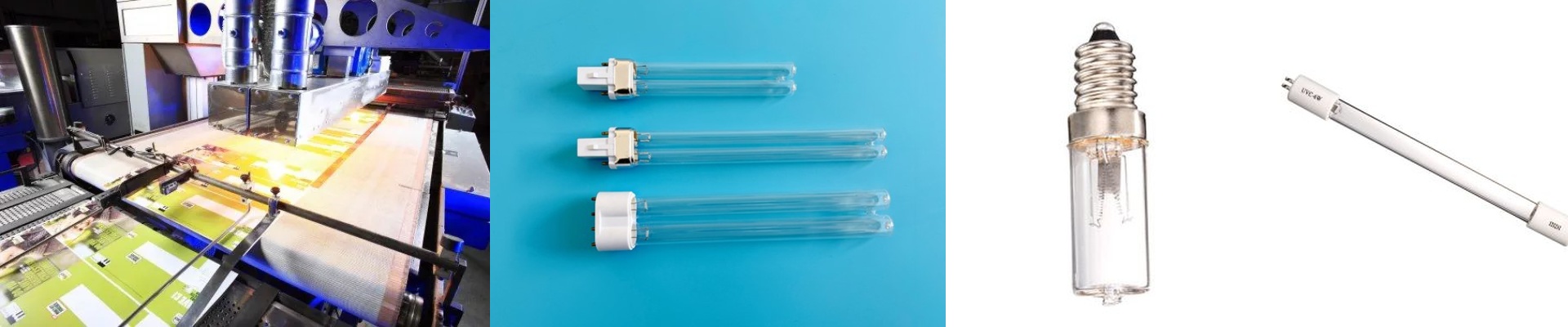
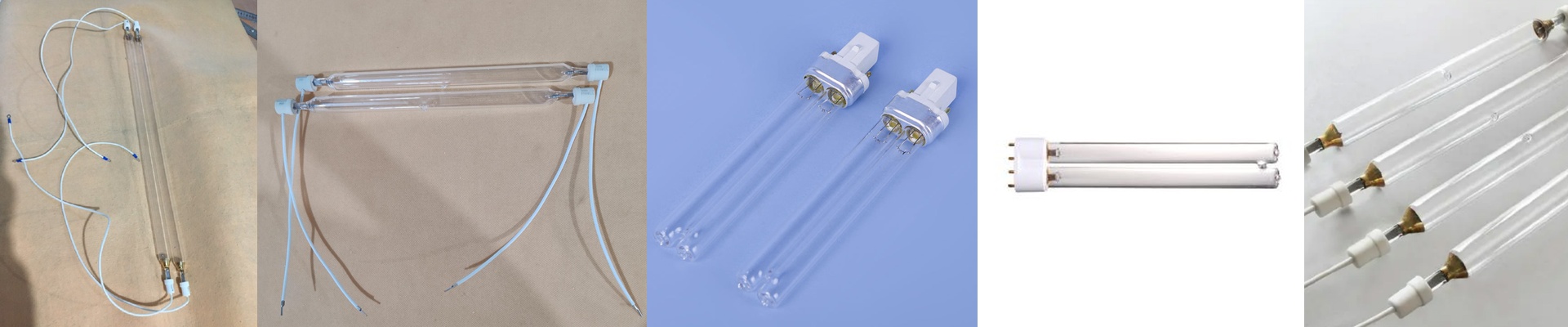
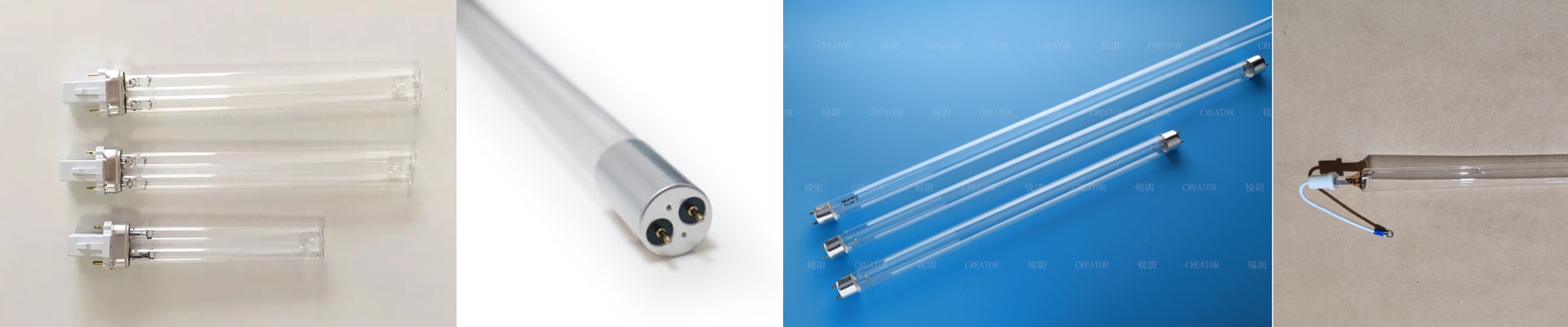
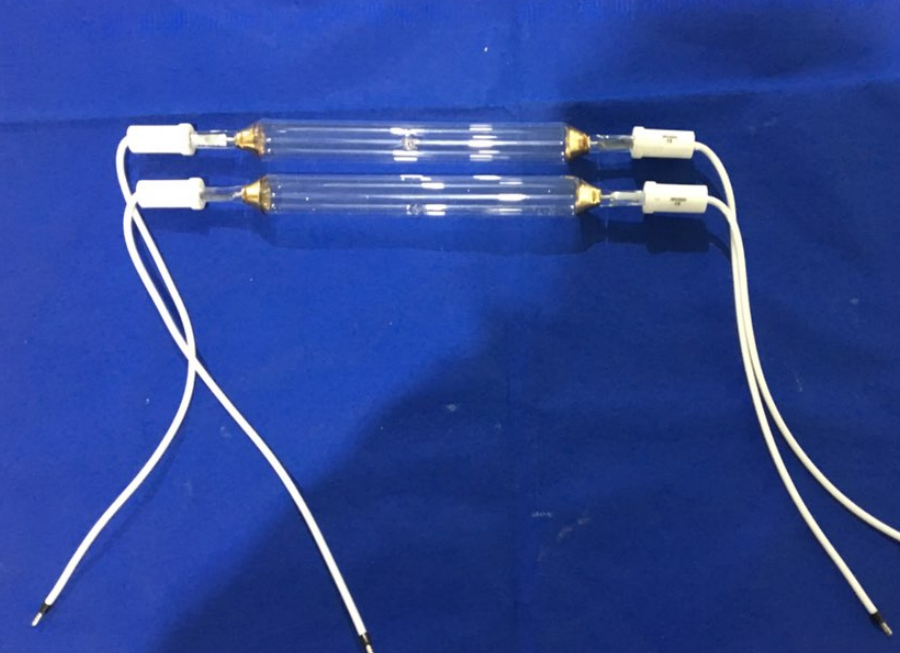
On an anti-counterfeiting press, you learn fast that a tiny shift in spectral output can take a clean, verifiable mark and turn it into a smear you can barely read. With security inks, the UV lamp isn’t just a dryer. It’s part of the verification chain. We built our automatic UV curing lamp around high-spectral-purity 365nm emission, because that’s what lines up with the photoinitiator window in most covert formulations. The point is discrete, repeatable cross-linking without broadband bleed that gives you glare, excess heat, and color that drifts when you can’t afford it. What matters, technically We run a high-pressure mercury vapor lamp with a narrow spectral envelope centered at 365nm. It’s delivered through a dichroic-coated reflector to keep out-of-band irradiance from sneaking in. Peak irradiance at the substrate is engineered to exceed 1,200 mW/cm² in the active focal band, hitting a curing energy density of 600–800 mJ/cm² in one pass for typical security ink films. Power density is tuned to 120 W/cm at 230 V, and we use an ozone-free quartz envelope—protects operators and keeps sensitive materials from taking a hit. Output stays stable within ±3% over the life of the lamp, checked against a spectral radiometer traceable to industry standards. Why it holds up in production Anti-counterfeiting printing lives and dies on controlled contrast—visible marks that only show under the intended excitation source. With this lamp, spectral purity cuts down unwanted excitation of background pigments, so the security feature pops with sharper edge definition and fluorescence that behaves the same run after run. The automatic control locks exposure to press speed, so you don’t get under-cure when you ramp up, and you don’t get over-cure that can drive dot gain or warp the substrate. The payoff is consistent signature strength, fewer rejects, and changeovers that don’t eat your schedule. A few shop-floor details This lamp is tuned for 365nm-driven security inks. If you run formulations keyed to 385nm or 405nm, it will underperform unless you re-match the system. Expect a warm-up window of 90–120 seconds before output stabilizes, and make sure your press lamp housing spacing and cooling match the 120 W/cm thermal profile. Reflector alignment matters—more than you might think. Verify it with a spectral radiometer during install. Misalignment drops irradiance faster than lamp aging does.