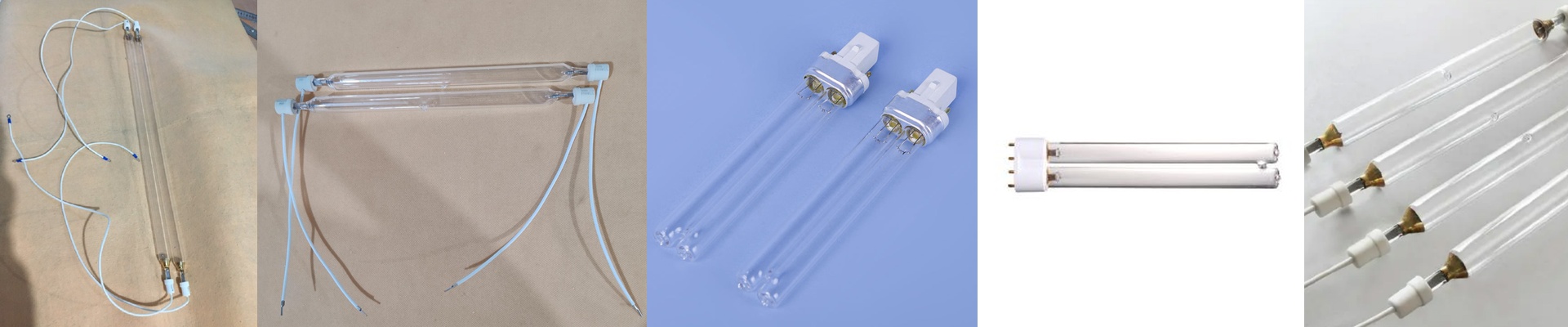
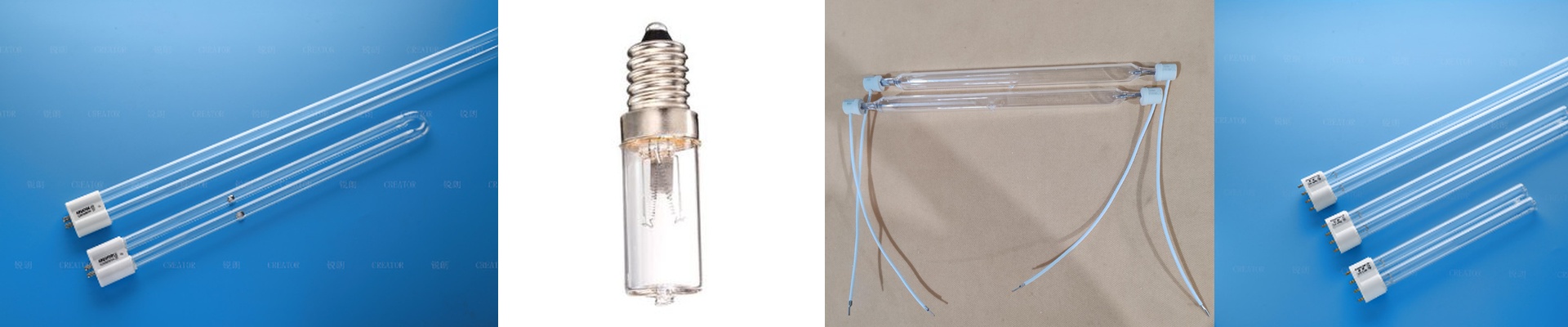
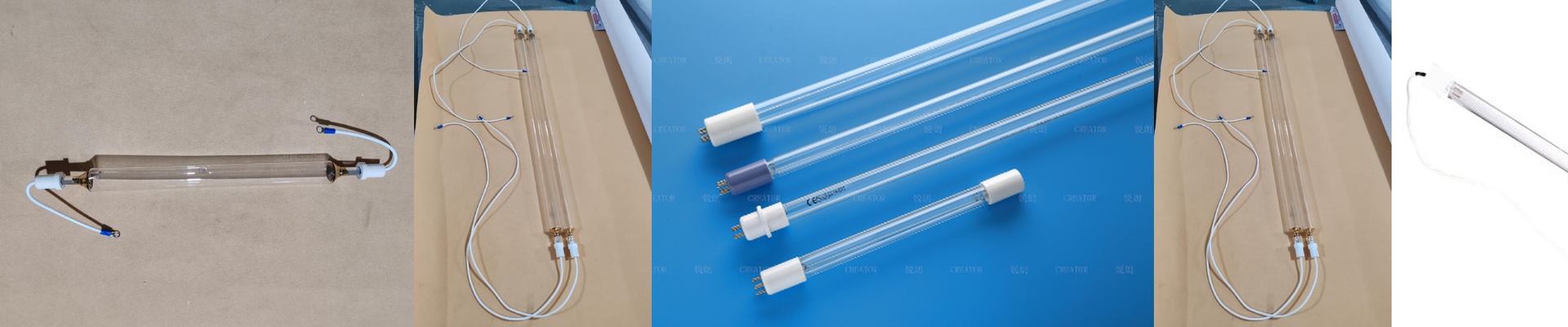
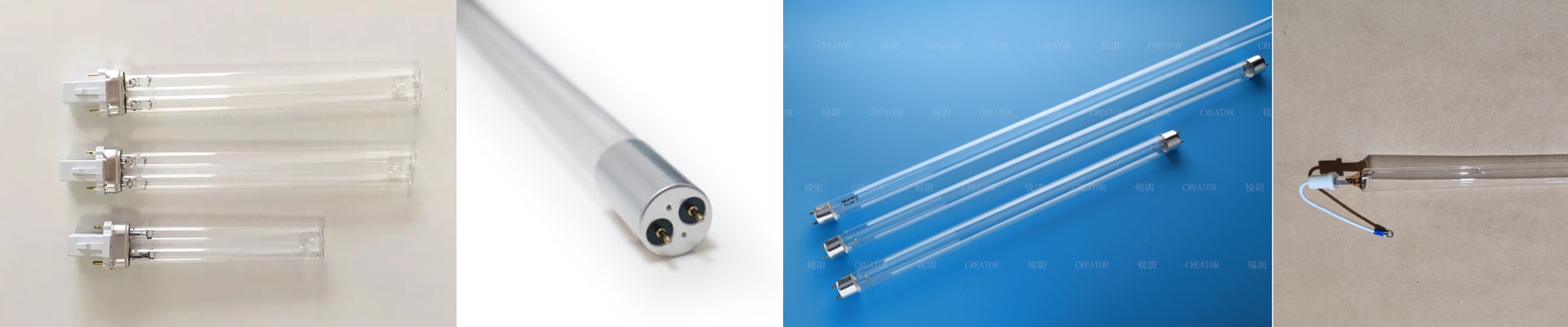
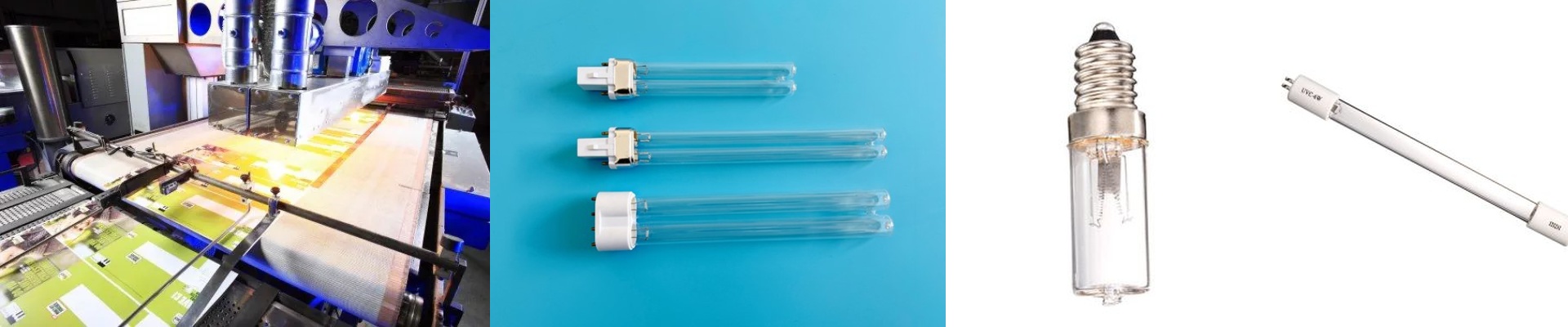
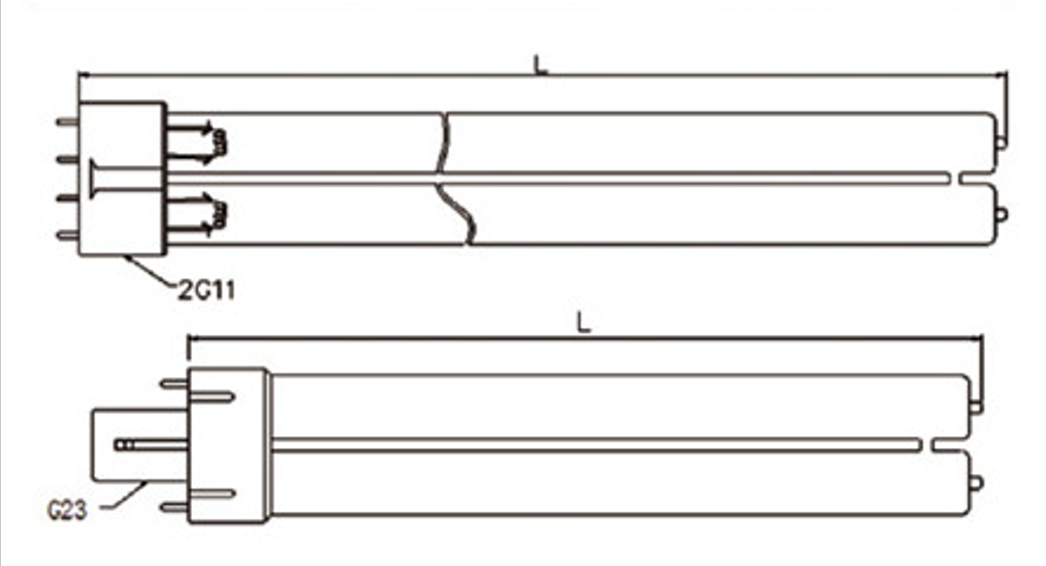
On the floor, downtime is measured the same way every time: lost makeready hours and substrate heading for the scrap pile. That’s why the top press OEMs keep us as their UV lamp partner. It’s not about hype. It’s repeatable output, stable performance, and integration that actually fits the press. What actually matters under the hood We build ozone-free UV lamps around controlled spectral output and stable irradiance. In practical terms, that means hitting the photoinitiator absorption of your ink or coating—usually in the 365nm to 385nm window where a lot of formulations cross-link cleanest. Peak irradiance at the substrate comes from reflector geometry and a dichroic coating tuned for collection efficiency, not just brute arc power. We size the power to the press duty cycle: high instantaneous output for intermittent exposure, or sustained output for continuous web. The goal is the energy density (mJ/cm²) you need without cooking the lamp body or wasting energy. Output stays stable across lamp life, with controlled degradation. And because the design is ozone-free, chamber chemistry stays predictable. Why this plays in a real press room Integration is where specs stop being numbers and start being results. We match lamp length, arc gap, and terminations to the exact reflector envelope and shutter profile of your press. The payoff: repeatable cure at production speeds, fewer hot spots, and adhesion that holds across the sheet. The lamp runs cooler in the arc zone, and the reflector system is properly matched, so you don’t spend half a shift re-trimming after a lamp swap. That means more uptime and a lower cost per impression. The shop-floor details that bite you if you ignore them Match the lamp to the reflector and the power supply. Ozone-free operation depends on the right envelope material and coating, sure—but it also depends on airflow and keeping the reflector clean. Dust on the reflector skews spectral distribution and knocks down peak irradiance. If you’re retrofitting, verify dimensional tolerances and connector compatibility. A mismatch in arc position can move the hot zone off the substrate and leave you with incomplete cure.