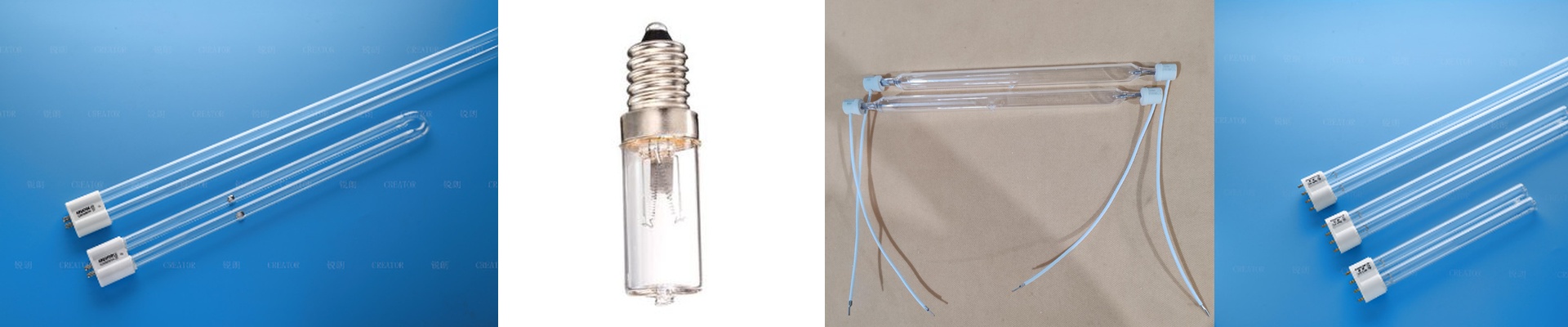
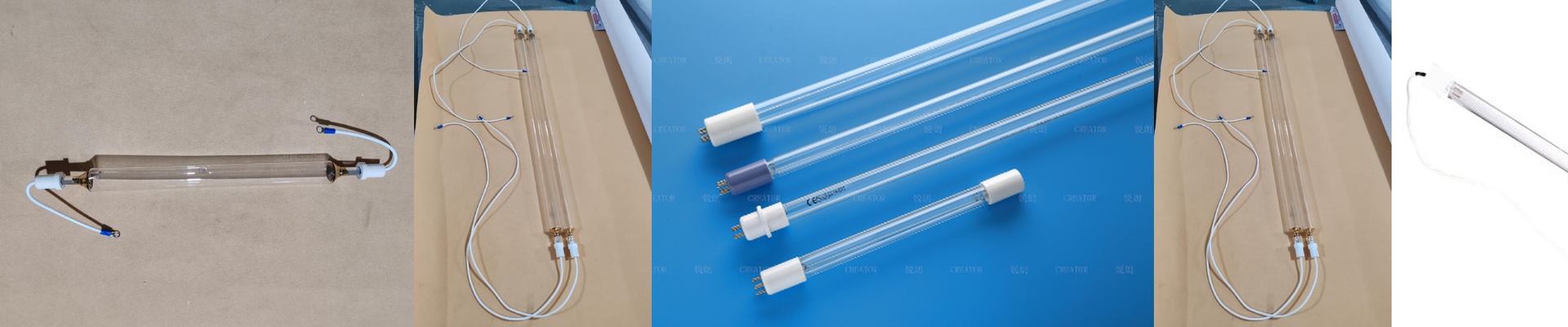
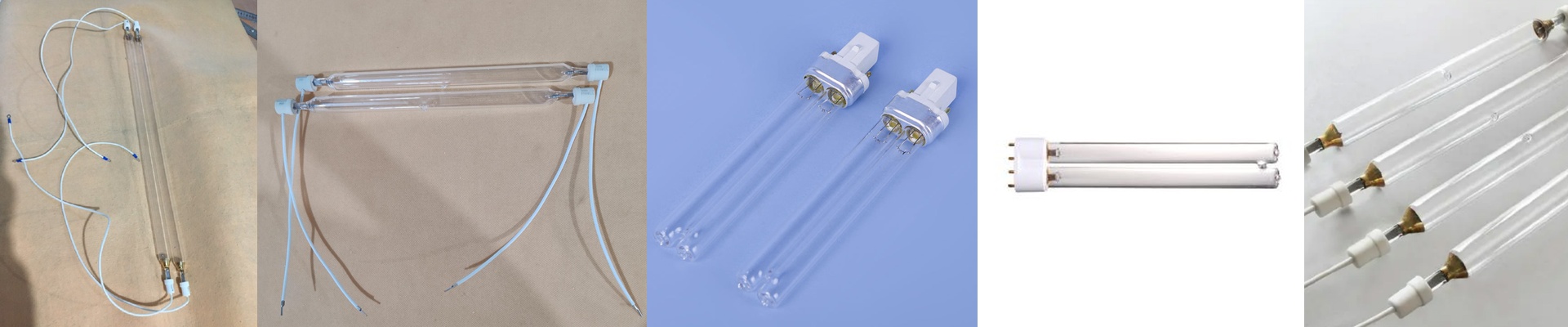
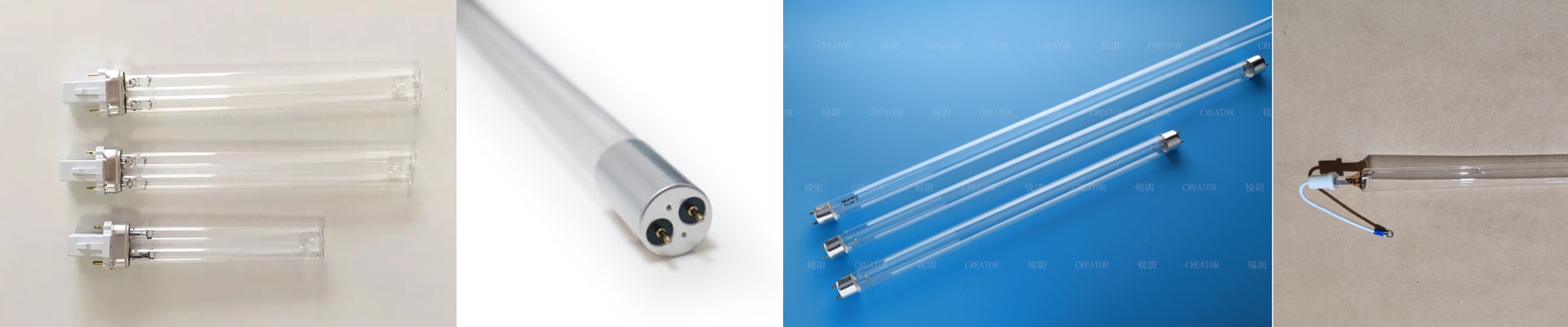
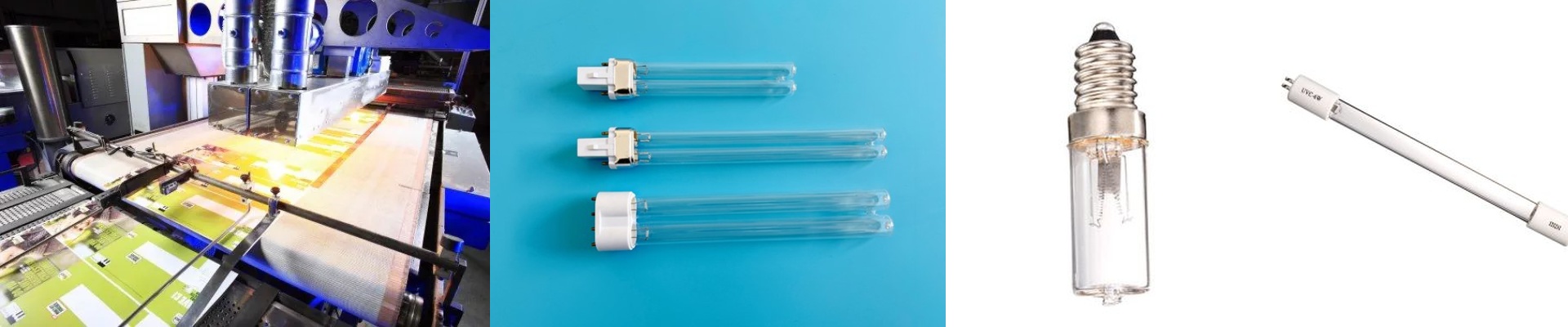
When your M&R or KTK screen press throws a UV lamp failure, you don’t measure downtime in minutes. You measure it in hours. Ink stays wet, throughput stops, and the job is suddenly on the line. We build custom UV lamps as direct 1:1 replacements, matching the exact envelope, arc length, and electrical interface. Swap it in, and you’re back running without having to re-engineer the line. What actually drives curing performance It starts with spectral output and energy density. We hit the required peak wavelengths—365nm, 385nm, or 405nm—and hold tight tolerances on bandwidth and spectral stability. Peak irradiance is tuned to the reflector geometry so you get the right mJ/cm² at the substrate for complete cross-linking. Power is spec’d to the machine’s ballast and voltage, and arc stability has to be consistent from cold start to steady state. The quartz envelope, dichroic coating, and doping are chosen to manage heat, keep output stable over the life of the lamp, and keep ozone generation negligible. Why a true 1:1 fit matters on the floor A drop-in replacement means you skip mounting mods and rewiring. It works with your existing reflector and shutter, so the engineered curing window stays intact. That shows up where it counts: stable cure on thick ink deposits, consistent color lock, and fewer rejects from under-cure or adhesion failure. Energy draw stays aligned with the original spec, so you don’t run into ballast mismatch and your operating costs stay predictable. The practical details that keep it working Matching the lamp is only half the job. Before installation, confirm ignition type and ballast compatibility. Set a preventive replacement schedule based on hours and output decay. After the swap, measure spectral output at the substrate plane to verify peak irradiance and cure dose. And if the reflector is showing age, replace it with the lamp so the energy distribution stays where it was designed to be.