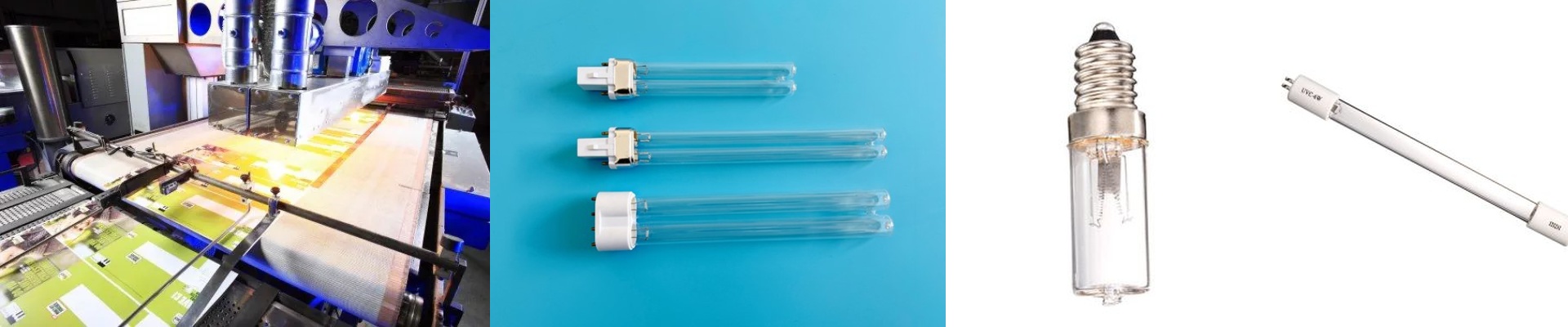
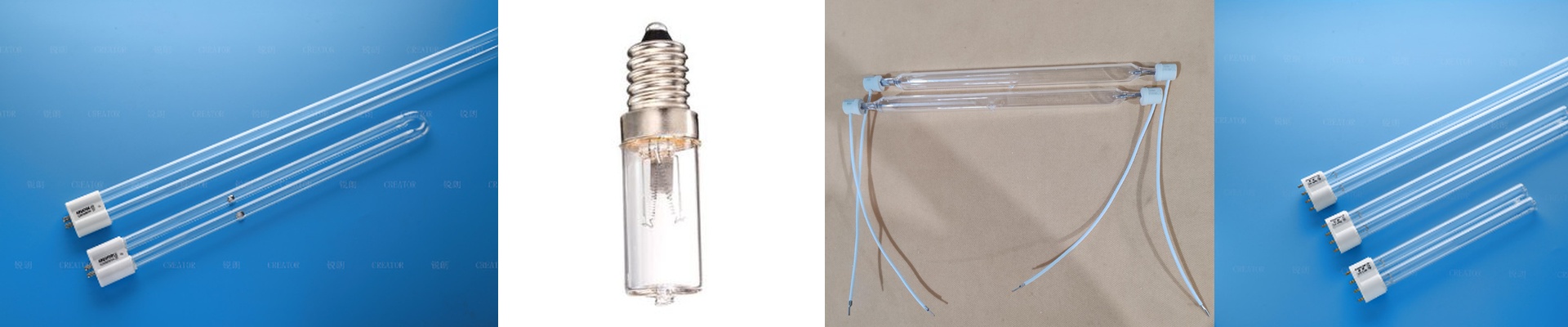
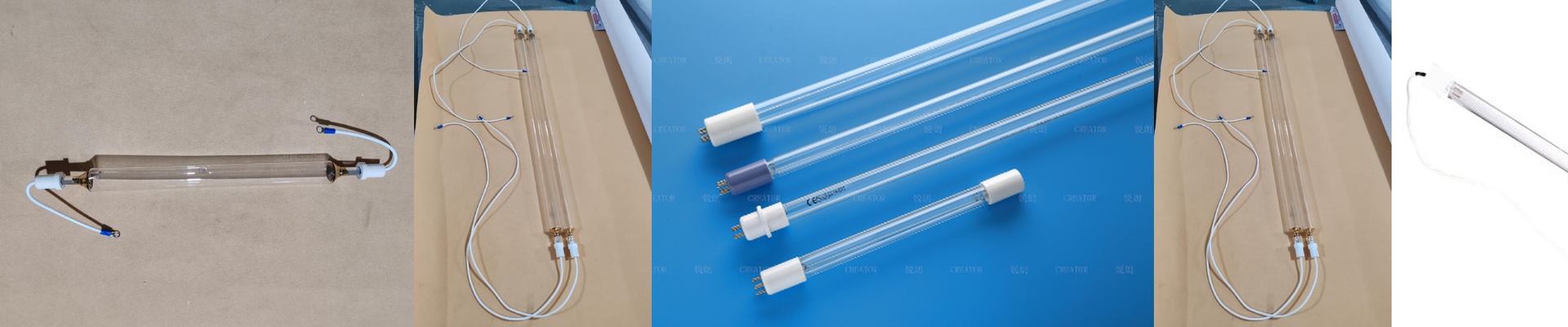
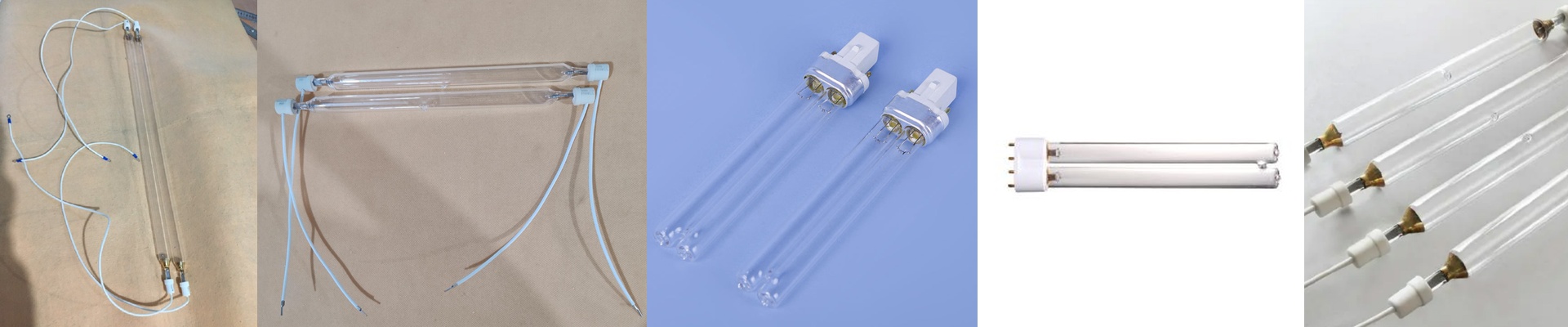
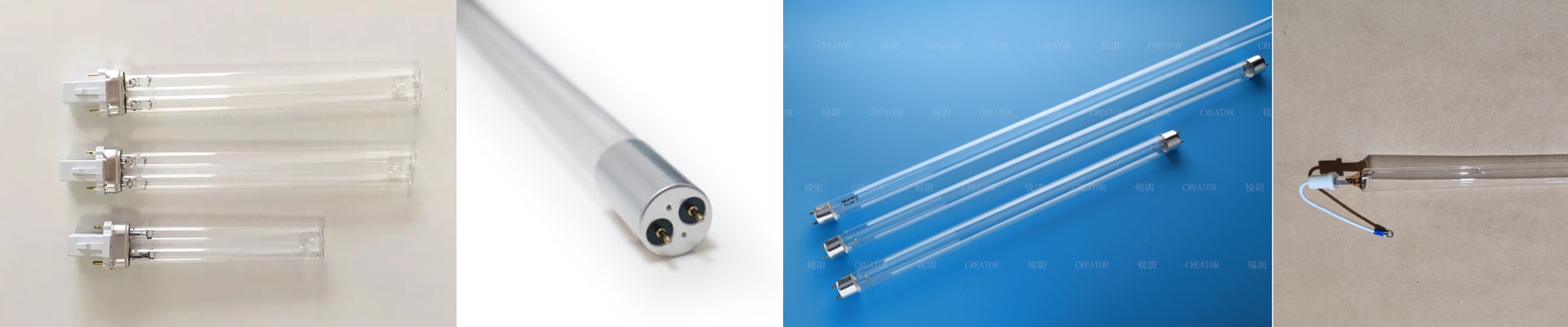
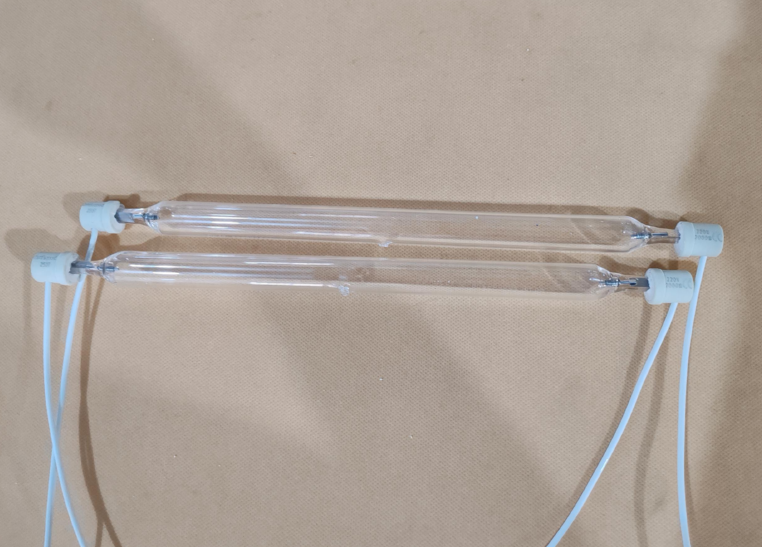
On the press floor, you know the drill. One day the job runs clean, the next you’re scrapping and chasing cure. Nine times out of ten, the culprit is the lamp — specifically, the quartz envelope. Lifegard replacement lamps lean on 99.99% high-purity quartz. Impurities in the quartz act as absorption sites that throw off the spectral output and hasten end-of-life decay. Get that right, and the rest starts to line up. What actually matters In a high-pressure mercury vapor system, the 365 nm line does the heavy lifting for photoinitiator cross-linking, while the broader UVA band gives you depth cure. 99.99% quartz keeps transmission steady across the 240–450 nm window, so peak irradiance at the substrate stays predictable. That means stable energy density (mJ/cm²) delivery — the number you read on the radiometer, not some vague “brightness.” Run the lamp within rated voltage and keep the reflector alignment tight, and we’ve seen units hold 5,000+ hours with under 5% output drop. Why it matters on press High-end printing needs repeatable cure: dot gain stays under control, adhesion is solid, and you get surface cure without blocking. Lifegard replacements keep the spectral output curve closer to the original OEM profile, so your settings — lamp power, speed, and cooling — map directly to results. The upside is fewer web breaks, less off-spec work, and less rework. Over the life of the lamp, consistent output also keeps energy per unit down, because you’re not over-driving the lamp to make up for degradation. Here are the details that bite you Matching base type, arc length, and terminal geometry isn’t optional. Even a small mismatch changes the cold-spot temperature and mercury vapor pressure, and that shifts the spectrum. High-purity quartz hates fingerprints and contamination — wipe it down with isopropyl alcohol before you install. And expect a bit longer warm-up to thermal stability than you’d get with lower-grade replacements. Plan for it in the changeover.