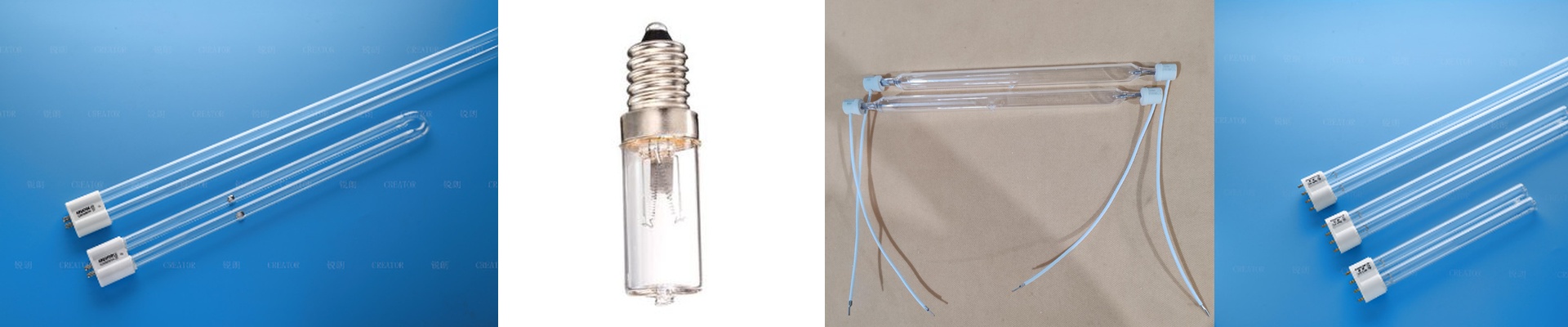
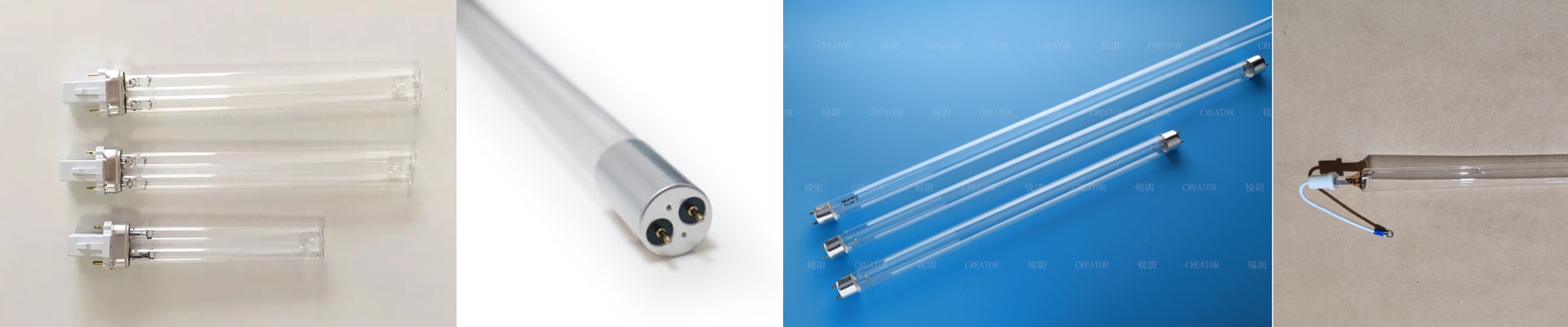
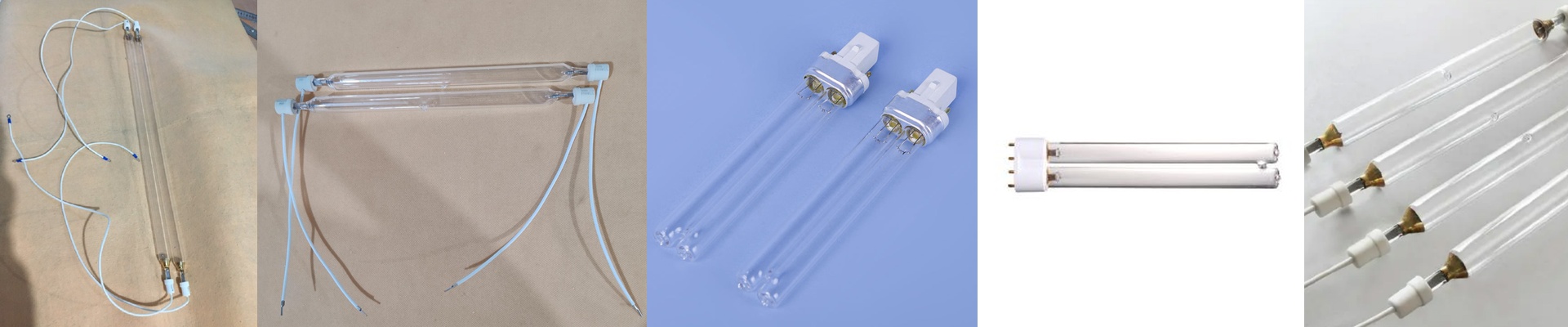
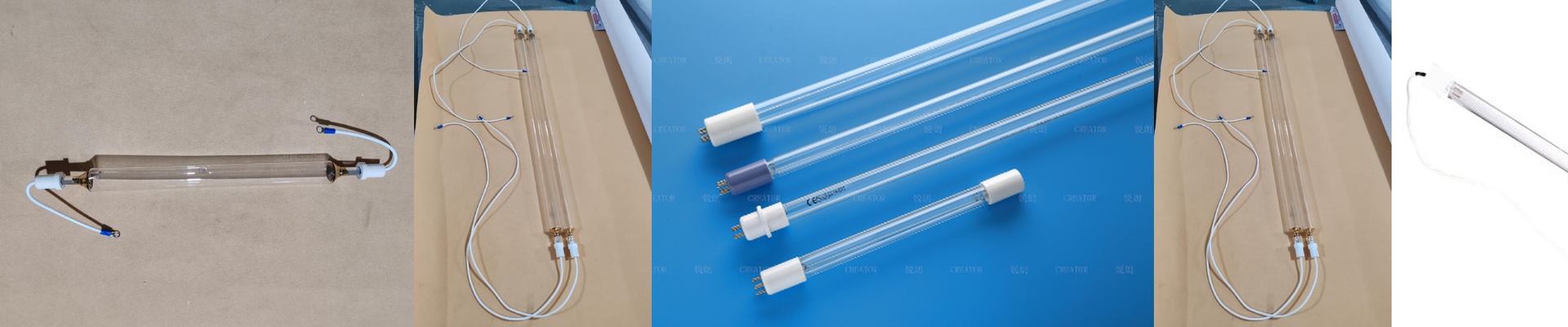
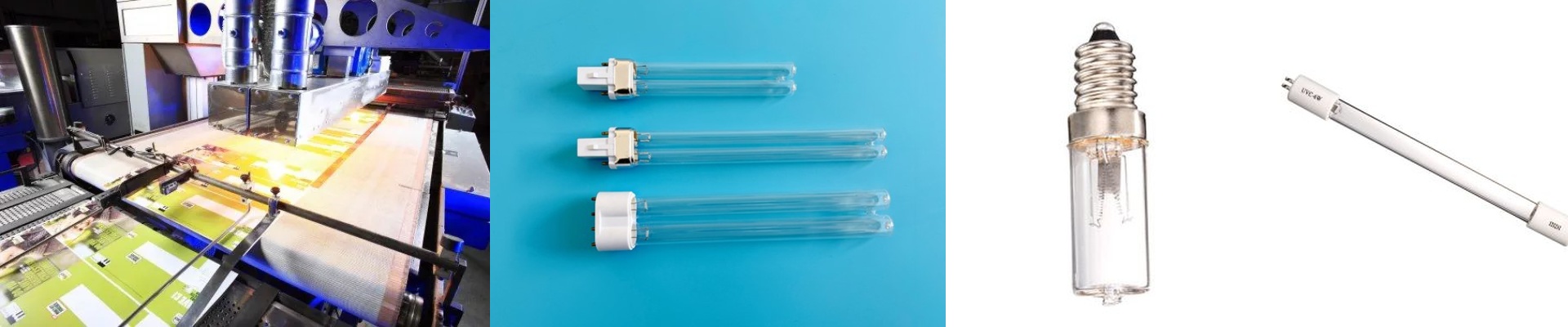
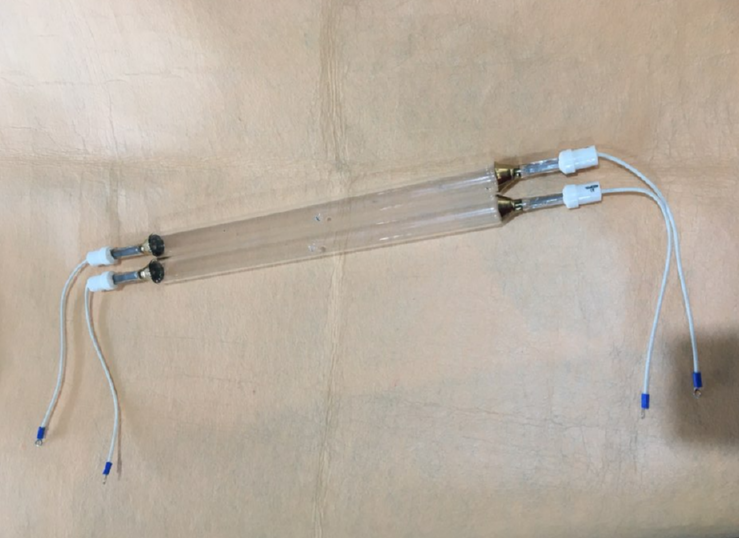
After walking through 3,000 printing plants, one thing is clear: downtime and uneven cure show up on the floor as wasted substrate, rework, and missed deadlines. Standard mercury lamps tend to over-deliver on short-wave UV while coming up short at the wavelengths that actually drive photoinitiator cross-linking in today’s ink formulations. That mismatch hits you as surface tack, weak adhesion, and curing speed limits that throttle throughput. What matters technically We built the gallium halide UV curing lamp to reshape the spectral output curve, shifting energy toward 385–405 nm while keeping enough short-wave output for depth cure. This isn’t a pitch; it’s a measurable change in peak irradiance and spectral power distribution. In practice, you get more photon flux right where modern UV inks and coatings absorb best, so cross-linking density improves without scorching thin substrates. We also target stable output over time, with controlled lamp life degradation and reflector efficiency that keeps dose consistent across the web. Why it plays in the real world On UV offset, flexo, and screen lines, that spectral control translates into faster curing windows, less heat load on sensitive films, and fewer rejects from borderline adhesion. Energy use drops because the system cures faster and doesn’t waste energy as broadband output. Maintenance intervals stretch out, too — the lamp runs cooler, and arc stability cuts down on hot-spot formation. You end up with more uptime and higher yield, the two numbers that matter every shift. Here are the practical details Gallium halide lamps are picky about ballast matching and reflector condition. Output uniformity depends on precise lamp spacing and clean, properly aligned dichroic reflectors. Before you retrofit, confirm your printer’s interface and cooling specs. And if you’re moving off standard mercury, check photoinitiator compatibility and run a dose-response test with your exact substrate and ink set. Treat it like an engineering conversion, not a plug-and-play swap.