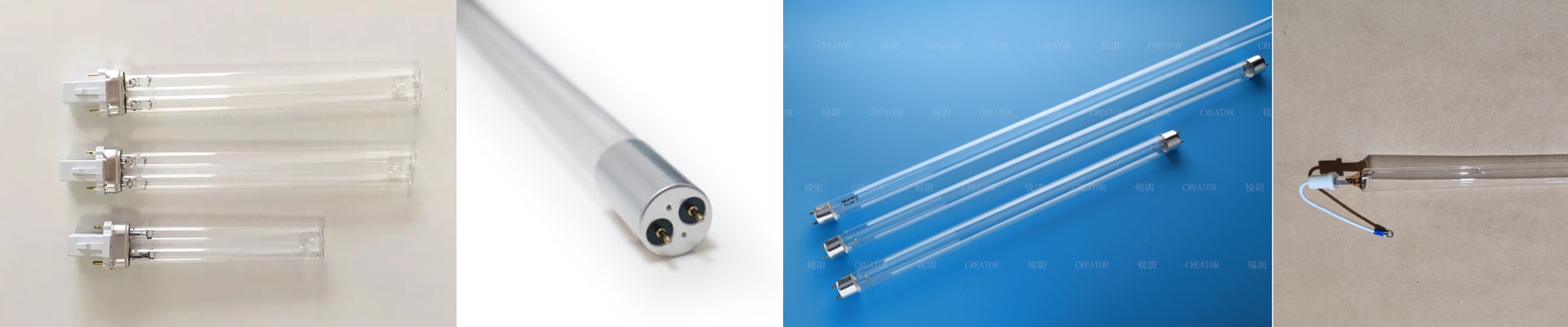
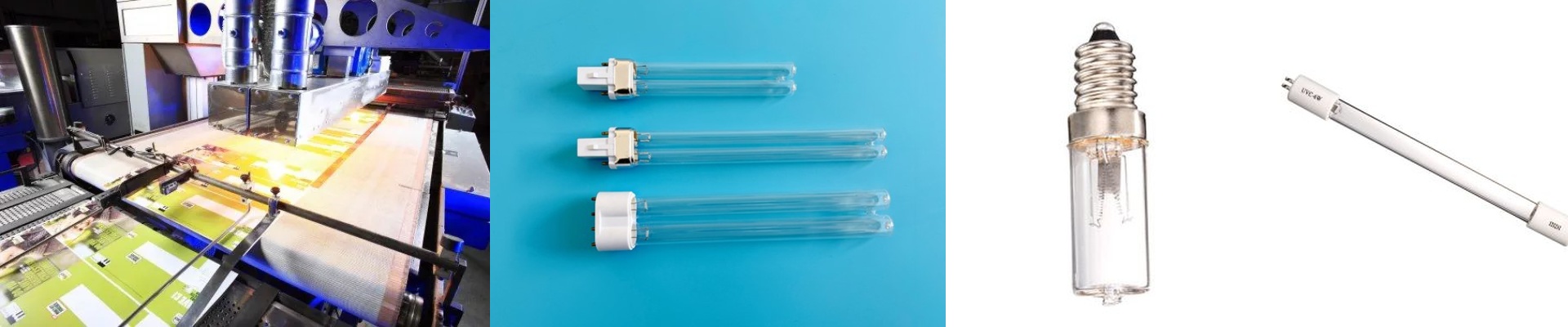
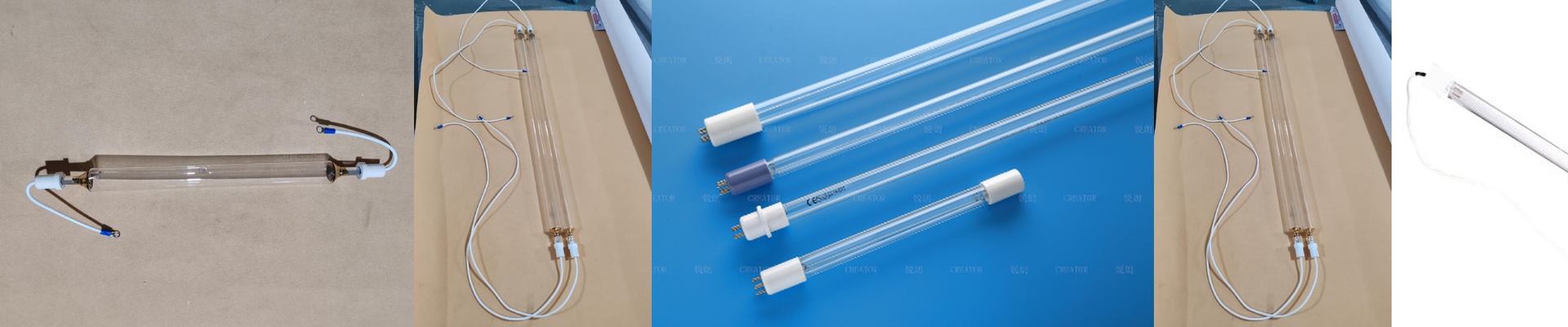
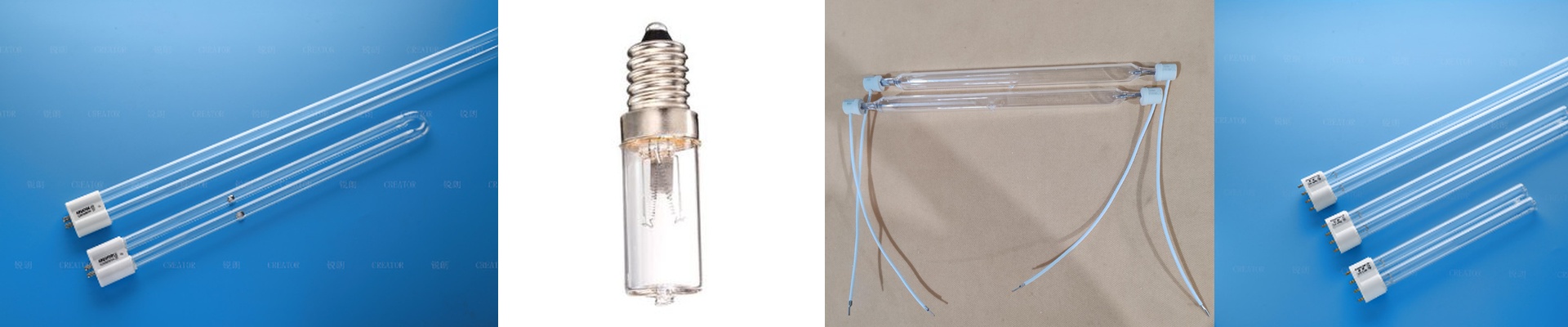
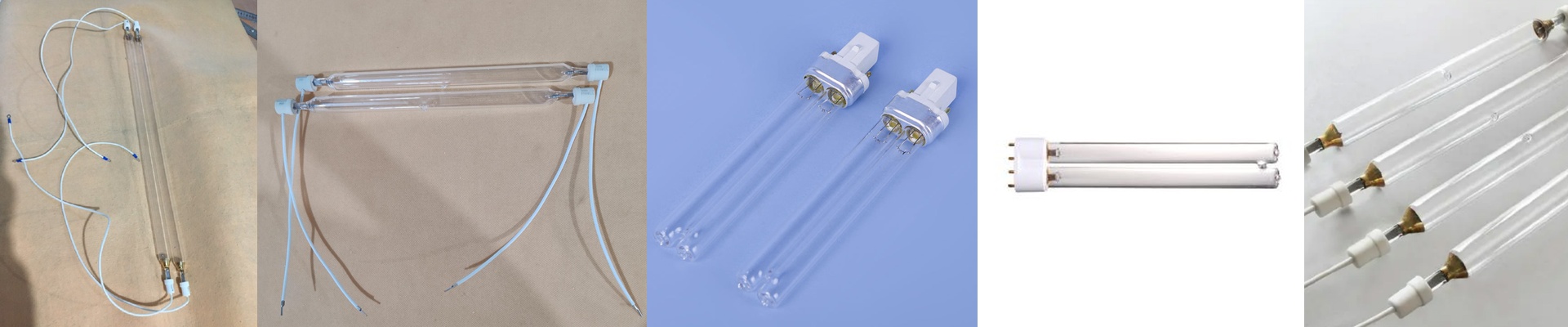
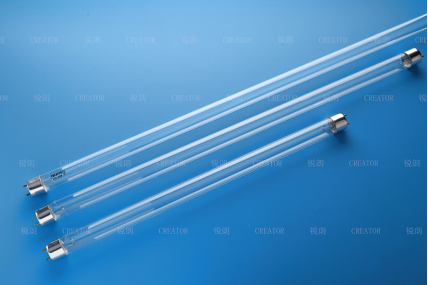
On the floor, heat isn’t the target—controlled photon delivery is. When a tanning bed lamp has to deliver repeatable, high-intensity UV output over thousands of cycles, the usual assumptions fall apart. Spectral drift, hot spots, and quartz devitrification show up fast. So we built this tanning lamp around a stable spectral profile and repeatable irradiance across the full arc length. What matters, technically We’re running a high-pressure mercury vapor discharge inside a quartz envelope, engineered for consistent output in the 320–400 nm band, with peak irradiance held at the target plane. The reflector geometry uses a dichroic coating to shape the spectral energy density—cutting IR waste while keeping UV intensity where it needs to be. We report output as irradiance (mW/cm²) and energy density (mJ/cm²), so you can line up lamp performance with photoinitiator activation and cross-linking response. Arc stability comes from a precision ballast that controls current ripple and keeps electrode erosion in check. Rated service life is in the thousands of hours, and output decay stays within a tight band. Why it holds up in practice In tanning systems, uniformity and repeatability translate straight into predictable exposure profiles and consistent results for the end user. This lamp holds intensity across the arc, which minimizes the gradients that cause uneven tanning and callbacks. The spectral output is tuned to deliver the photon flux needed for rapid photopolymerization on adjacent industrial curing lines, while still meeting the high-output demands of tanning equipment. Energy density stays stable over time, so you can lock in your process windows and cut scrap. Here are the things you can’t gloss over Matching lamp ignition voltage and arc length to the ballast and socket is non-negotiable. If you run outside the specified envelope, you’ll get premature end-of-life and a spectral shift. Quartz transmits UV, but it demands clean handling—oils and fingerprints will create hot spots. Ozone is generated during operation, so the fixture needs adequate ventilation or an ozone-free configuration. And always verify reflector alignment and cooling airflow; even a small misalignment will skew irradiance uniformity.