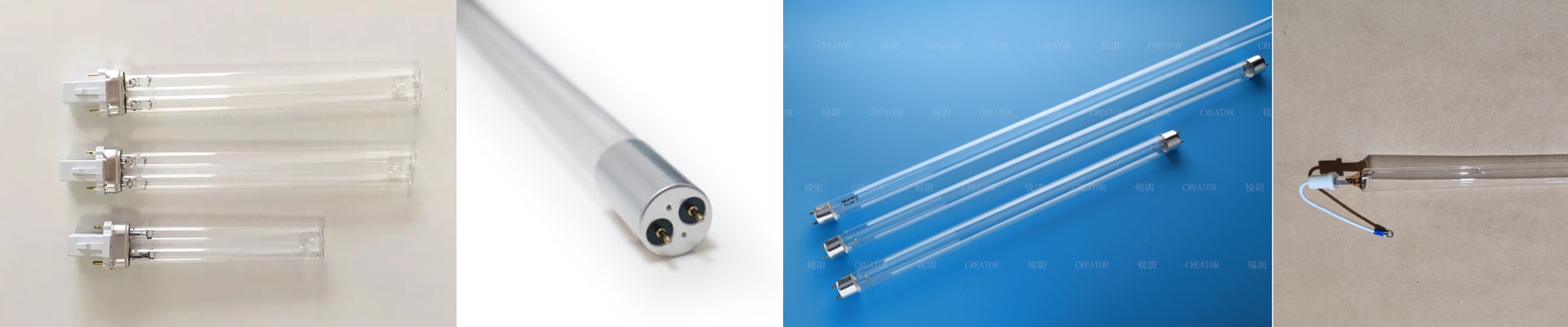
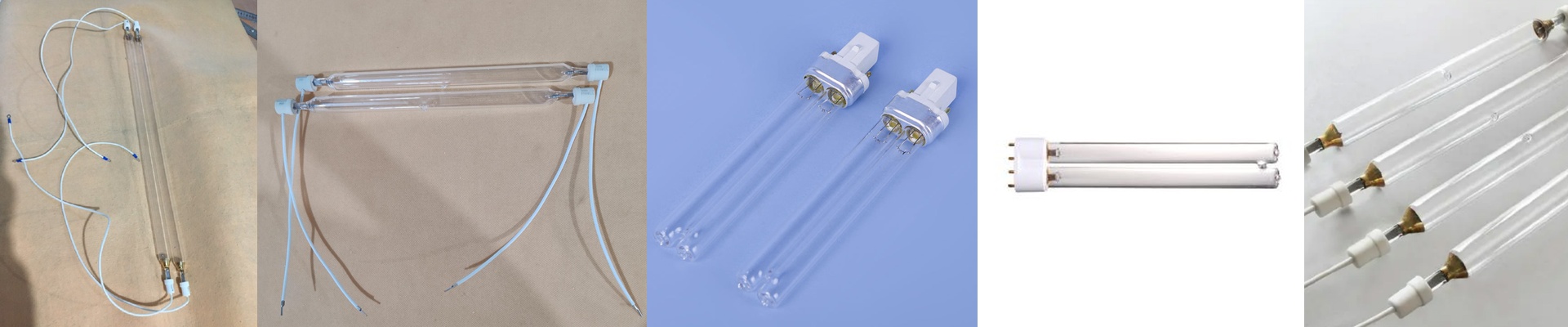
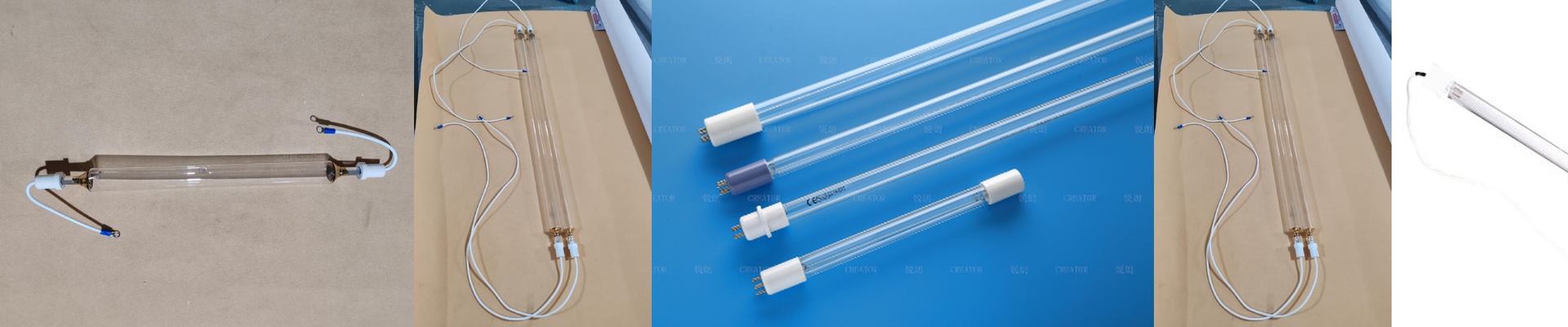
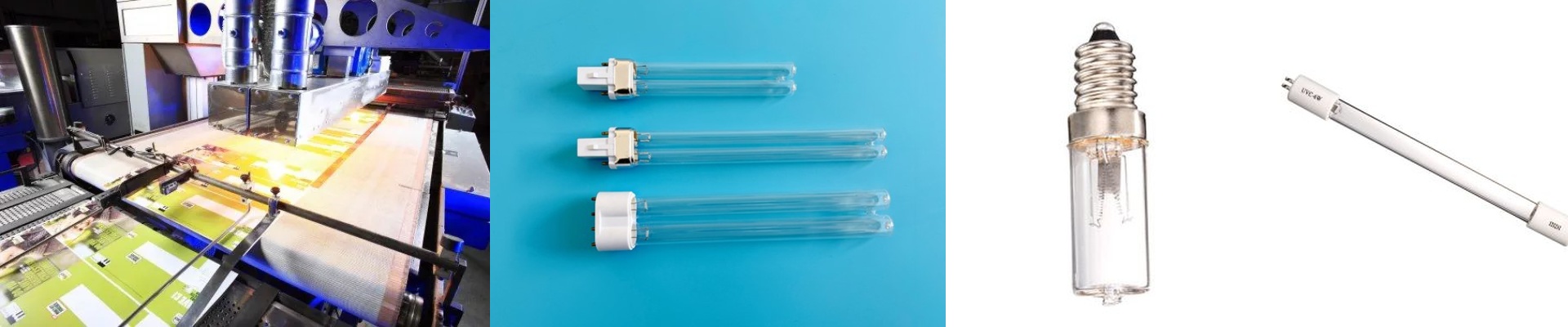
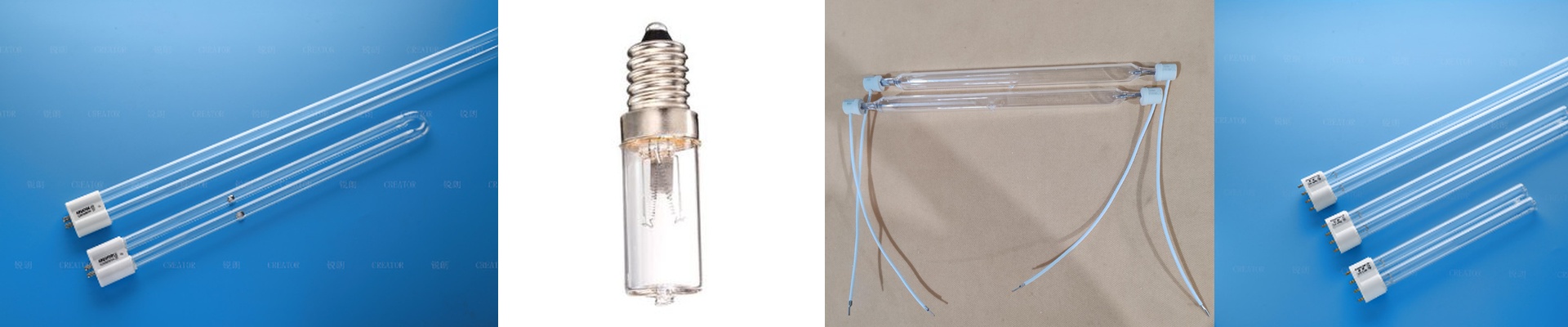
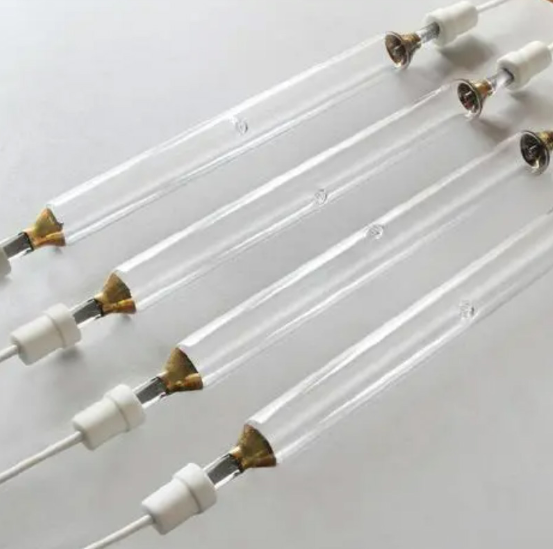
Why the “Peak” Isn’t Everything in UV-C Lamps
You’ll see plenty of lamps claiming a 254nm peak. It’s the industry standard. But here’s the thing: the peak is just one point. What actually matters for killing germs is how the energy is spread across the spectrum. We spent our R&D time obsessing over a 0.5% variance. Why? Because we wanted to make sure the photons are hitting the DNA of microorganisms exactly where it hurts, rather than wasting energy on wavelengths that don’t do a thing.
The struggle to hit 0.5%
Getting that kind of precision is a nightmare. We had to rethink everything—from the gas fill pressure to the purity of the quartz. If the pressure is off by even a tiny bit, the spectral line shifts or gets too wide. To fix that, we switched to high-purity synthetic quartz. Standard glass can actually soak up some of the UV before it even leaves the lamp. By using the good stuff, the energy stays concentrated right where it needs to be. The result? You get a steady, reliable glow across the whole tube. No more “cold spots” in your sterilization chamber where bacteria might survive.
It’s not easy to make
I’ll be honest: this level of precision makes manufacturing a pain. It’s rigid. One tiny flaw in the electrode coating or a microscopic leak in the vacuum seal, and the whole batch goes in the trash. Our scrap rate went up, but that’s the price of quality. And a quick heads-up for the setup: your ballast has to be spot on. If your power supply drifts, the spectral output shifts with it. You lose that 0.5% precision the moment the current fluctuates.
What this actually means for you
If you’re building medical-grade gear, this is where it gets interesting. Because the energy is so concentrated, you can cut down exposure times without worrying about contamination. It’s a relief. Plus, you can actually shrink your equipment. You don’t need a forest of lamps to hit your dosage anymore. Just pair it with a stabilized power source, and you’ve got a disinfection cycle that’s predictable and repeatable. Every single time.