Getting Your UV Curing Right for Textile Printing
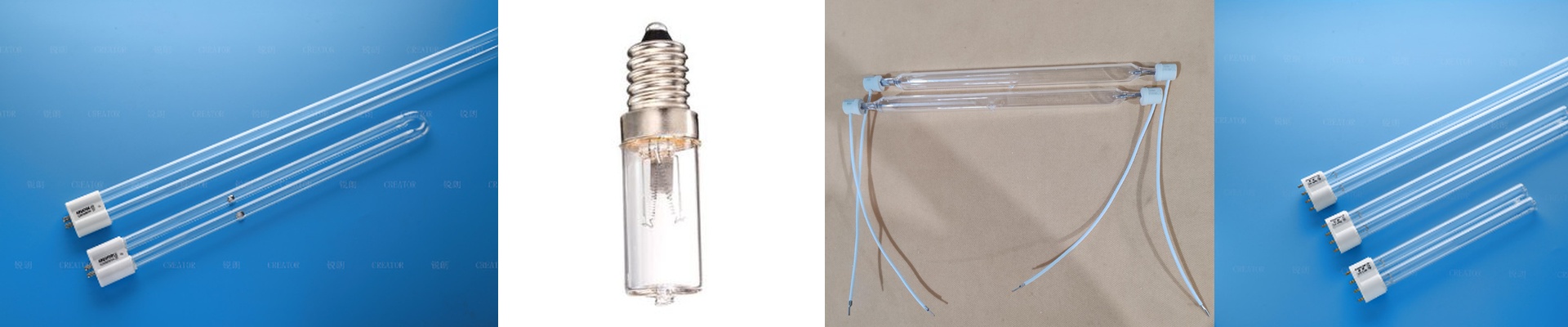
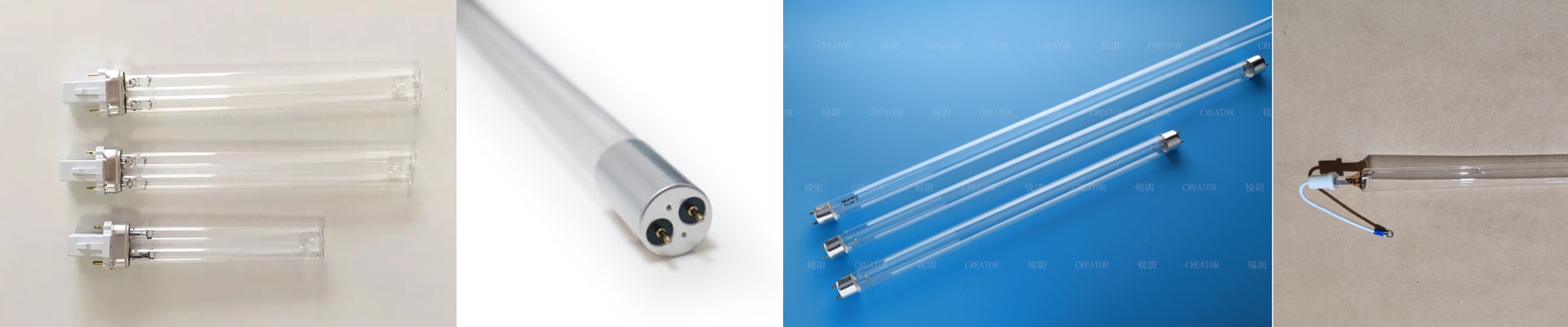
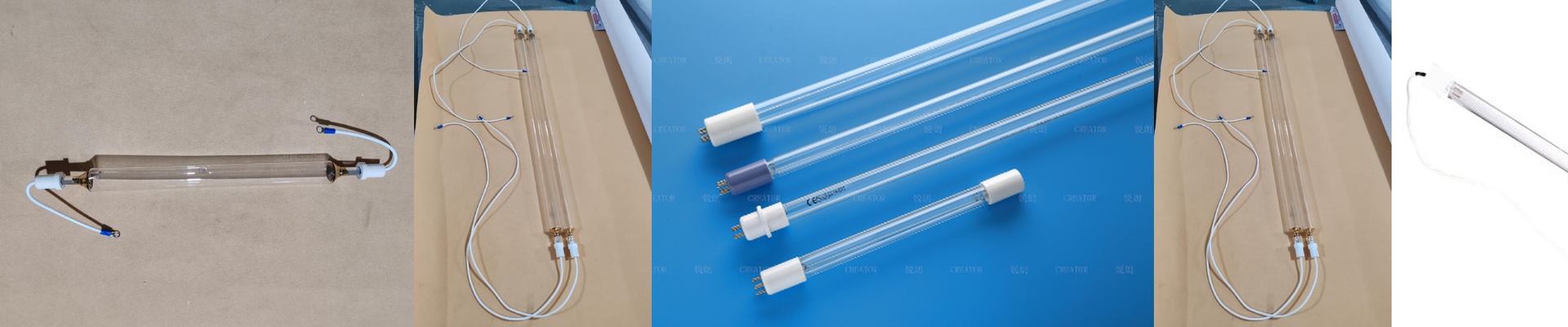
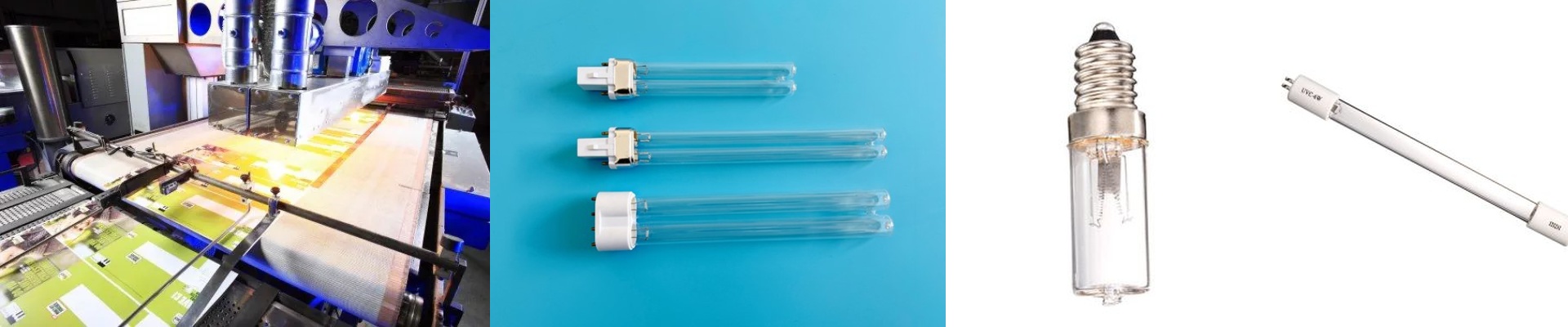
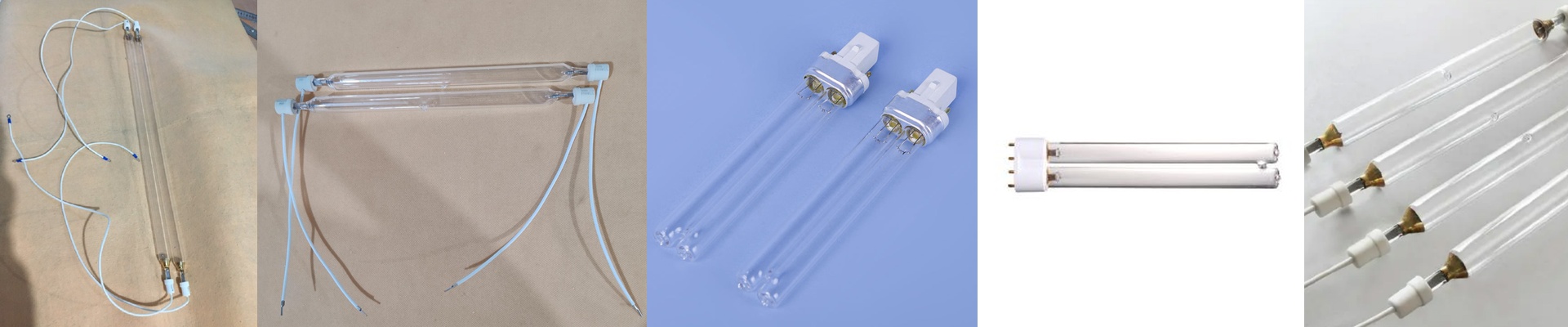
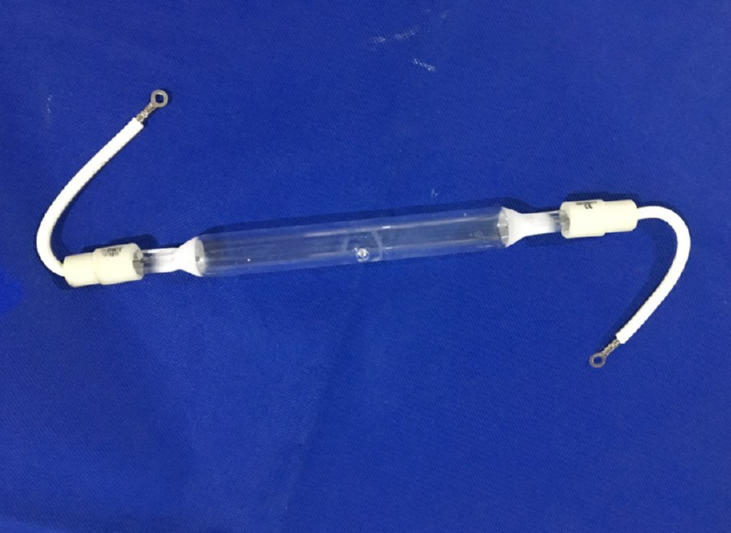
In the world of textile printing, there’s a very thin line between a crisp, professional print and a blurry mess. It all comes down to how fast that ink cures. If it’s too slow, you’ve got a smudge. Too fast or too hot? You’ve ruined the fabric. That’s why we don’t do “off-the-shelf” lamps; we build custom UV arrays that actually respect the fabric you’re working with. The secret is in the light. Most textile inks need a very specific UV-A or UV-C peak to harden without burning the material. We spend our time tweaking the wattage and tube length so the light hits the fabric evenly across the whole width. If you’re running a wide-format setup, you know those annoying “zebra stripes”—those under-cured lines that pop up when the lamps don’t quite line up. We fix that by overlapping the arrays. No stripes. Just a smooth, solid cure. Dealing with the heat We use high-purity fused quartz because standard glass just blocks the rays you actually need. But here’s the catch: high-output lamps get hot. Really hot. If you’re printing on delicate silks or synthetic blends, that infrared heat can shrink your fabric right under the lamp. It’s a nightmare. To stop that, we use cold-mirror reflectors or special gas fills to shift the energy. Just a heads-up: make sure your exhaust hoods are actually doing their job. If the heat doesn’t move away fast enough, your substrate is going to warp. Making it work with your gear Nobody wants to spend a weekend rewiring a control cabinet. We design our lamps to be drop-in replacements. They match your existing electrical footprint and connectors, so you can just swap them out and get back to work. We also obsess over the contact points to make sure you don’t get any scary arcing at high voltages. One last tip: try not to run your lamps at the absolute maximum wattage all the time. It wears out the electrodes way faster. We usually suggest leaving about 10% breathing room on your power supply so you aren’t stressing the ballast. It’ll make your equipment last a lot longer.