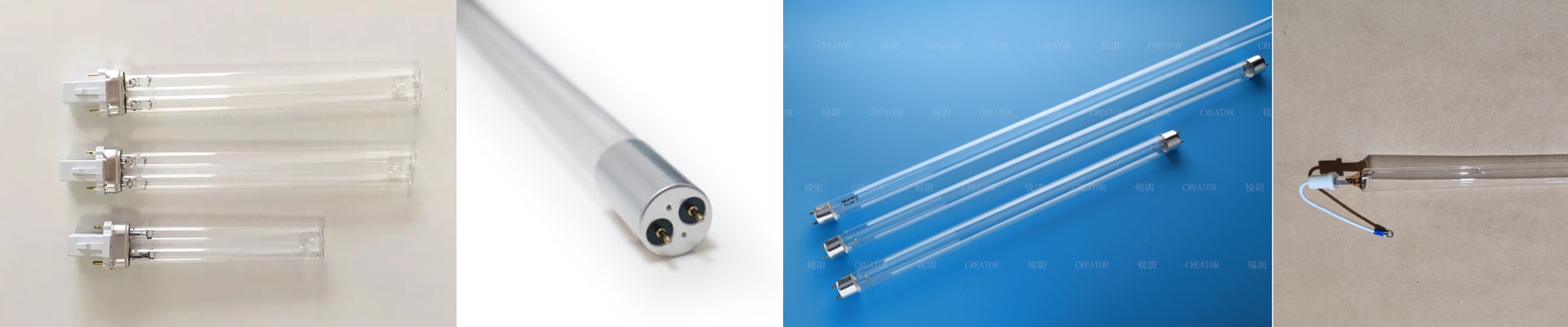

Getting Your UV Energy Exactly Where It Needs to Be
Most UV lamp companies give you a broad wavelength range and call it a day. We do things a bit differently. We obsess over a tiny 0.5% margin of spectral energy concentration. Why? Because in high-precision curing, a tiny shift in that emission peak is the difference between a perfect product and a disaster. If it’s off, your resins won’t link up right. Or worse, you’ll scorch the surface while the core stays wet. It’s a frustrating place to be.
The science (without the headache)
Getting energy into a narrow band isn’t easy. It takes a lot of discipline with the gas mixture and the purity of the quartz envelope. We calibrate the arc discharge so the photons hit the exact nanometer you’re aiming for. If that energy spreads out too much, you’re just wasting electricity on wavelengths your photoinitiator can’t even “see.” We tighten those tolerances to kill off those “dead zones” in your curing process.
Heat and Hard Truths
We use high-purity fused quartz so the tube doesn’t soak up the UV light it’s supposed to be emitting. But here’s the catch: when you cram that much energy into a small space, things get hot. Really hot. You’ve got to get your cooling fans or water jackets right. If your airflow is weak, the quartz stresses out and your lamp life plummets. I won’t tell you these lamps last forever—that’s a lie. Instead, we give you a real output curve based on how hot you’re actually running them.
Making it work on your line
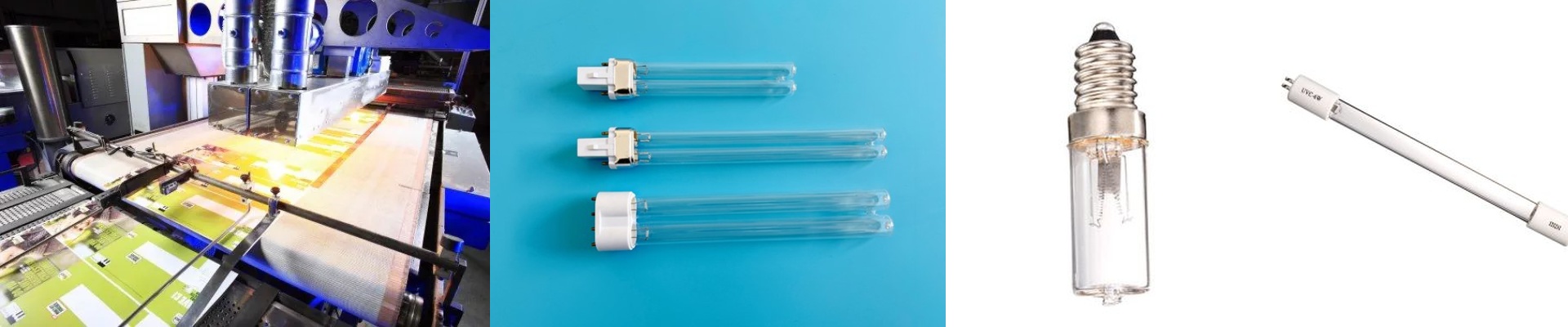
These are designed to be drop-in replacements for high-speed lines. We’ve tweaked the electrode geometry to get rid of those annoying “dark ends,” so the intensity is steady from one end of the substrate to the other. Just wire it to your ballast, set your power density, and keep an eye on the irradiance. Because we’ve narrowed that spectral gap to 0.5%, the cure happens faster. That means you can crank up the conveyor belt and move more parts through without worrying about them coming out under-cured.