
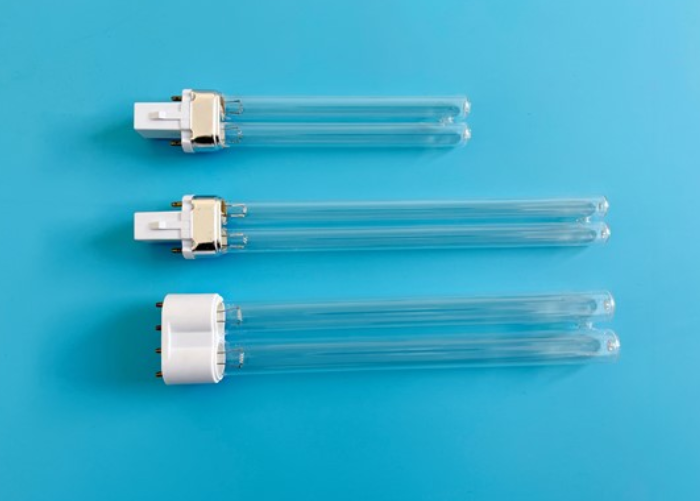
Getting Gallium Iodide Right: More Than Just a Lightbulb
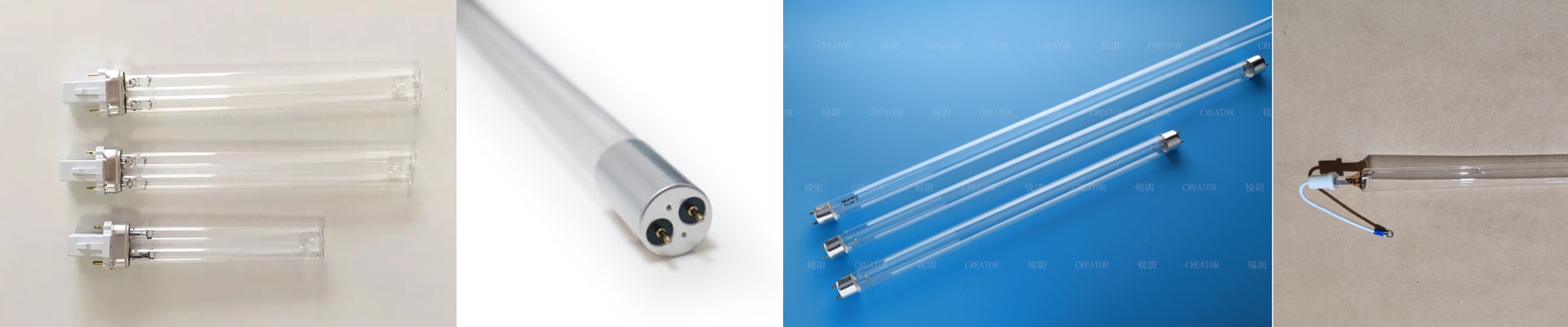
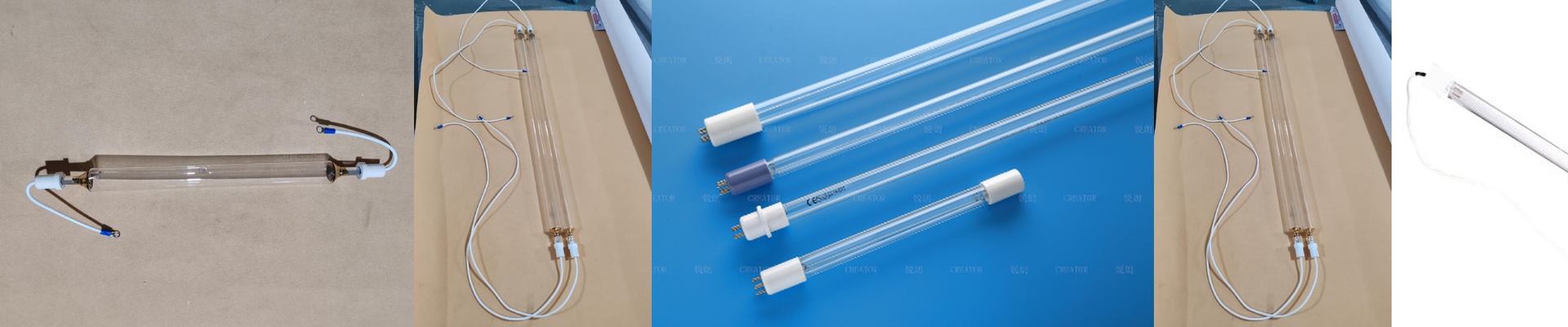
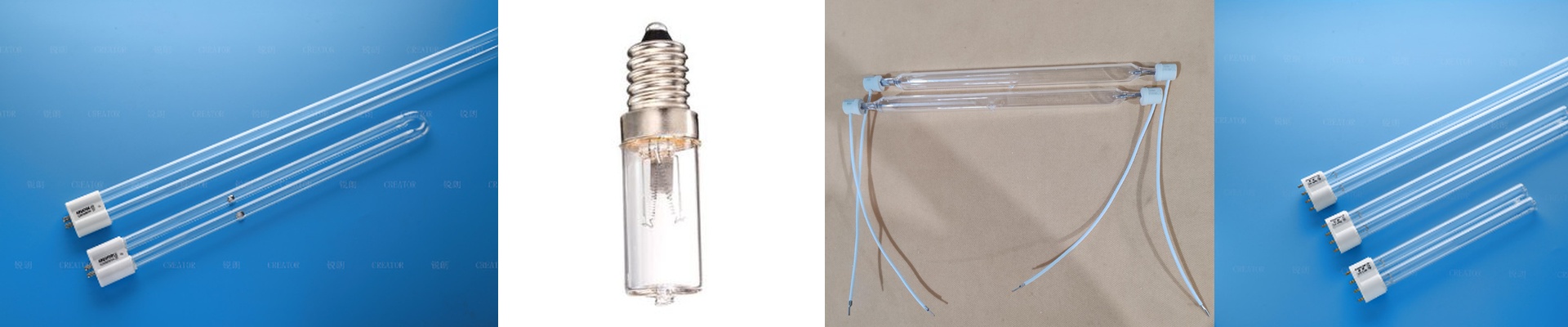
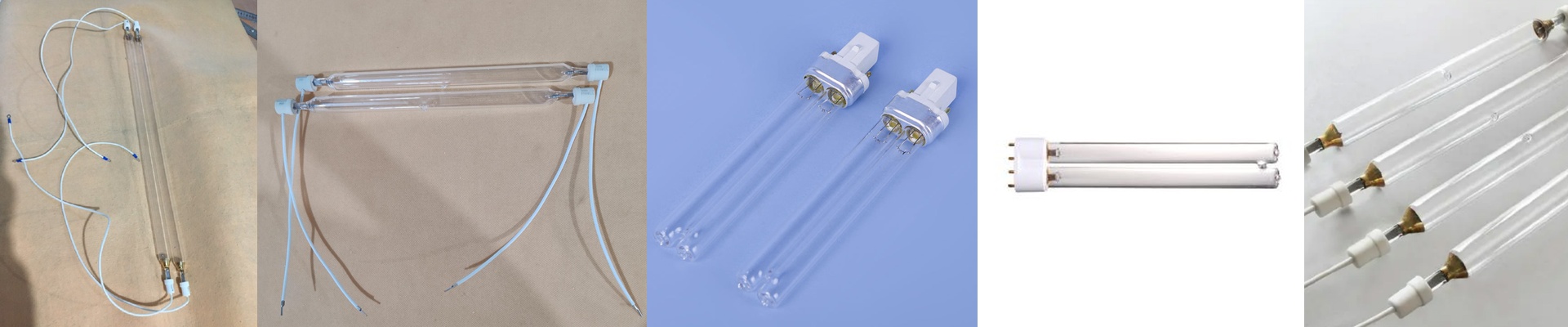
If you’re used to standard tungsten-halogen heaters, you’ve got to shift your thinking a bit. Gallium iodide lamps aren’t just about making things hot. We build these to hit very specific, narrow-band wavelengths—mostly in the UV and visible range—to kickstart a precise chemical reaction.
Why the wavelength actually matters
Most industrial lamps just blast a broad wave of heat. It’s a blunt instrument. Gallium iodide is different. By mixing gallium and iodine inside a quartz envelope, we create these intense “peaks” of light. This is the secret sauce. It lets you target specific molecular bonds in your material without cooking the rest of the substrate. Think about it: if you only need a specific nanometer range to cure a resin or wake up a catalyst, why waste power on a bunch of infrared heat you don’t need? We build these to cut the waste and put the photons exactly where they belong.
The headache of making them
Trust me, this isn’t a “plug-and-play” assembly line job. It all comes down to the purity of the fill. If the gallium iodide isn’t perfect, your spectral stability goes out the window. We spend a lot of time in the lab obsessing over vacuum levels and gas pressures. Why? Because if the pressure is off by even a tiny bit, the peak wavelength drifts. And if that happens, your process consistency is gone. You can’t have your output changing because a lamp decided to shift its color.
The trade-offs (The “Read This” Part)
Here’s the thing: you get incredible precision, but these lamps are a bit temperamental. They aren’t the tanks that your standard IR heaters are. The quartz envelopes have to be thin to let the UV light through. That makes them fragile. Be careful during installation—one wrong move or too much vibration in your housing and you’ve got a problem. And please, watch your power. Voltage spikes are the fastest way to fry the electrodes. We really suggest using high-precision ballasts. It’s the only way to keep the power steady and ensure that spectral output stays locked in exactly where you need it.