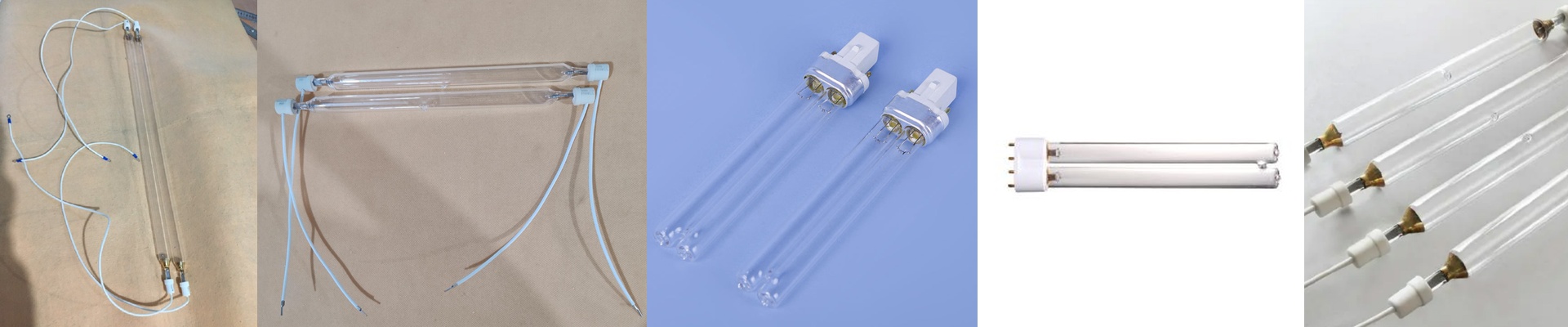
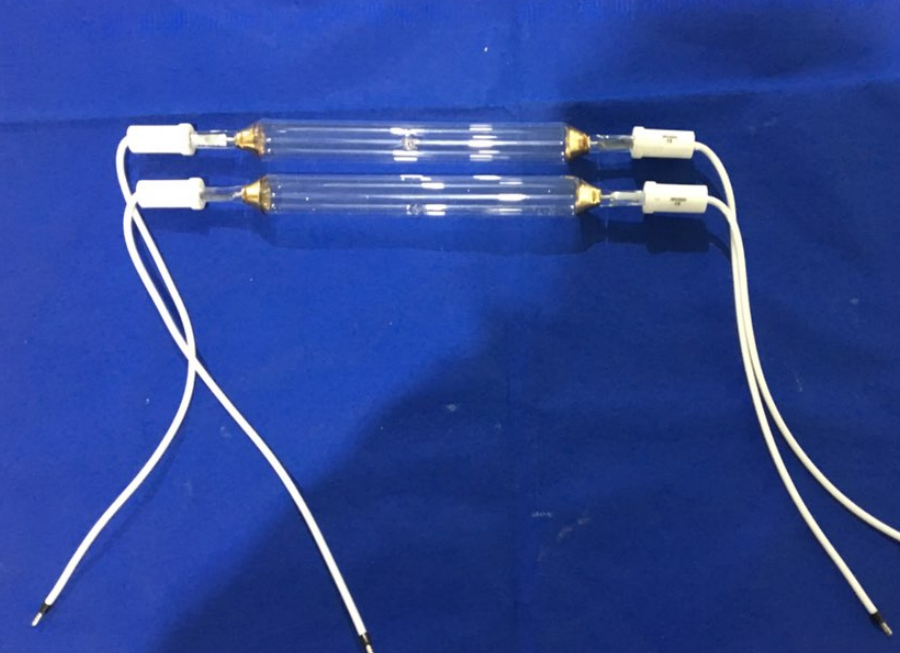
Getting UV Lamp Logic Right for Your Printing Line
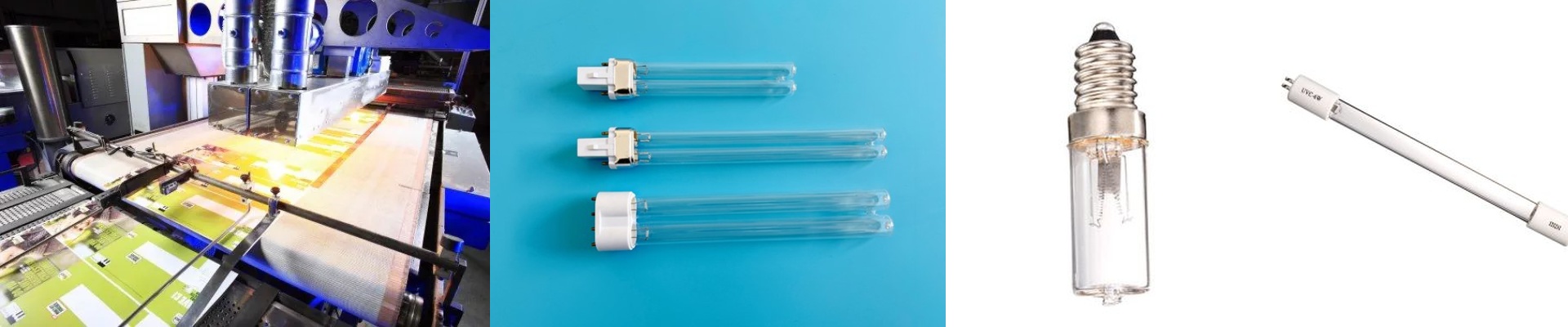
We spent some time visiting about 3,000 printing plants. We wanted to see where things actually go wrong. What we found was a pattern: most shops are fighting uneven curing or lamps that burn out way too fast. Usually, it’s because the lamp design just doesn’t play nice with the speed of the line. We realized that just cranking up the power isn’t the answer. It’s more about getting the light spectrum right.
The Heat Problem
Here’s the thing about high-wattage lamps: they get incredibly hot. If you try to force too many watts into a short tube just to keep up with a fast line, you’re asking for trouble. You’ll end up scorching your materials or warping the reflector. We focus on balancing the wattage with the length of the tube. That keeps the light steady. And a quick tip: check your cooling blowers. They should be picked based on the actual heat the lamp puts out, not just some number on a spec sheet. If they can’t keep up, the lamp overheats and your UV intensity just drops off.
The Glass Matters
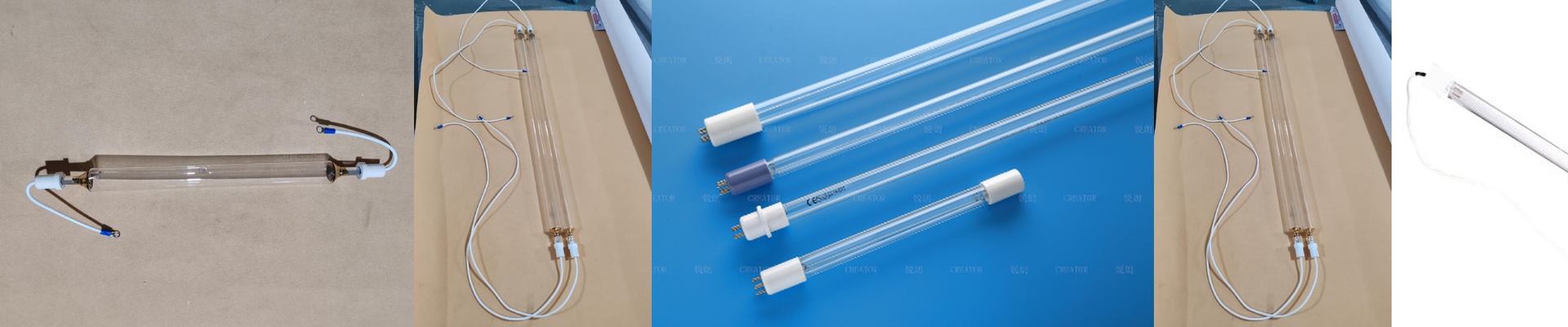
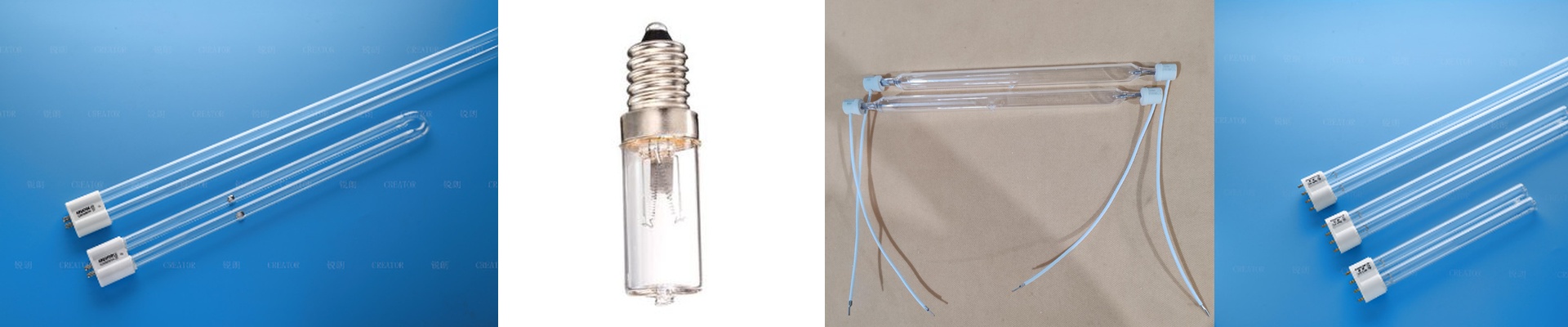
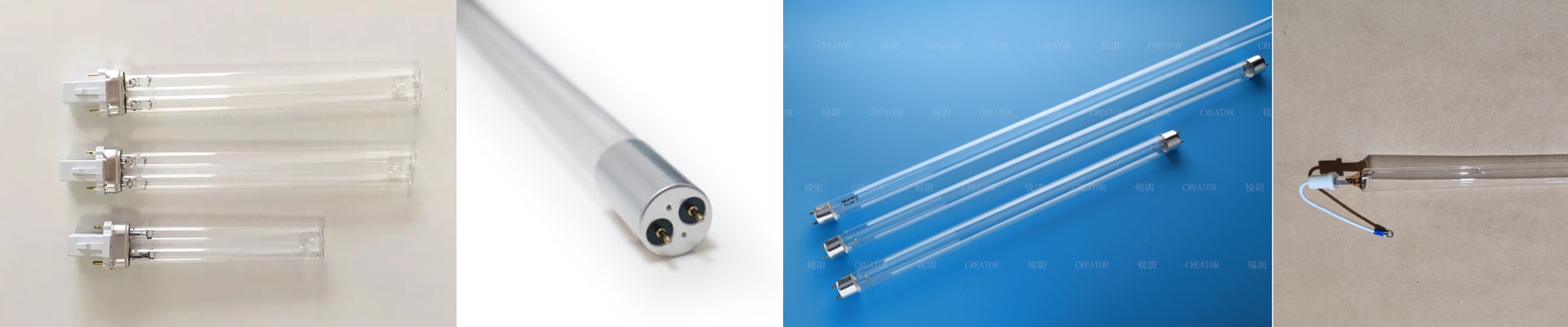
The type of quartz glass you use decides how much UVC and UVB actually reaches the ink. We stick with high-purity fused quartz because it doesn’t soak up the light internally. For those running high-speed offset or flexo, we aim for that 365nm to 395nm sweet spot. It makes the photo-initiators in the ink snap into action immediately. You might be tempted to go with cheaper glass to save a few bucks upfront. But then you’ll probably find yourself slowing down the conveyor just to make sure the prints aren’t still wet. Not a great trade-off.
Making Life Easier on the Floor
We build these to be “drop-in” replacements. Nobody wants to spend their shift rewiring a whole curing station. We use standard connectors and tight tolerances on the end-caps so the lamp sits exactly where it belongs. It sounds small, but if a lamp is off-center by even 2mm, you’ll get those annoying dark spots on your prints. One last thing: keep your contacts clean. When oxidation builds up on the pins, it creates resistance. That leads to hot spots and kills your lamp way sooner than it should.