
Getting the Wavelength Right: The Real Story Behind Industrial UV Lamps
We don’t just put together lamps. We spend our days obsessing over photons. In our lab, it’s all about that narrow-band spectrum. Why? Because in the industrial world, a tiny shift in nanometers is the difference between a perfectly cured coating and a sticky, ruined mess. Or, if you’re sterilizing, the difference between a clean surface and one that’s still contaminated. It’s a tight margin, and it matters.
The trick to tuning the wavelength
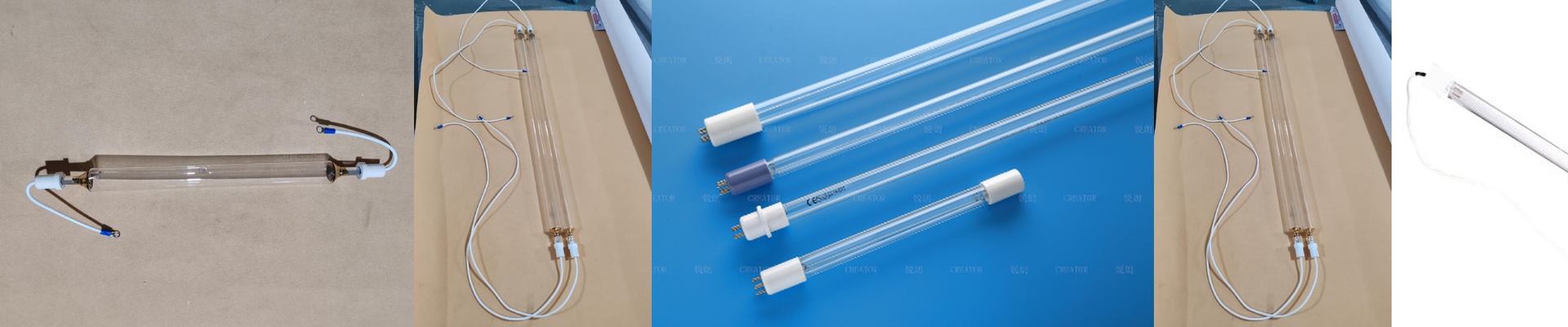
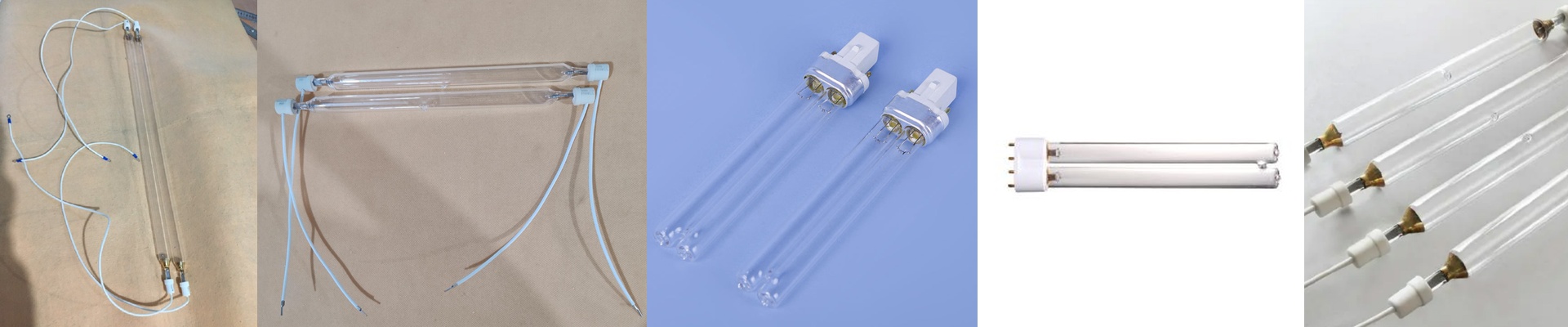
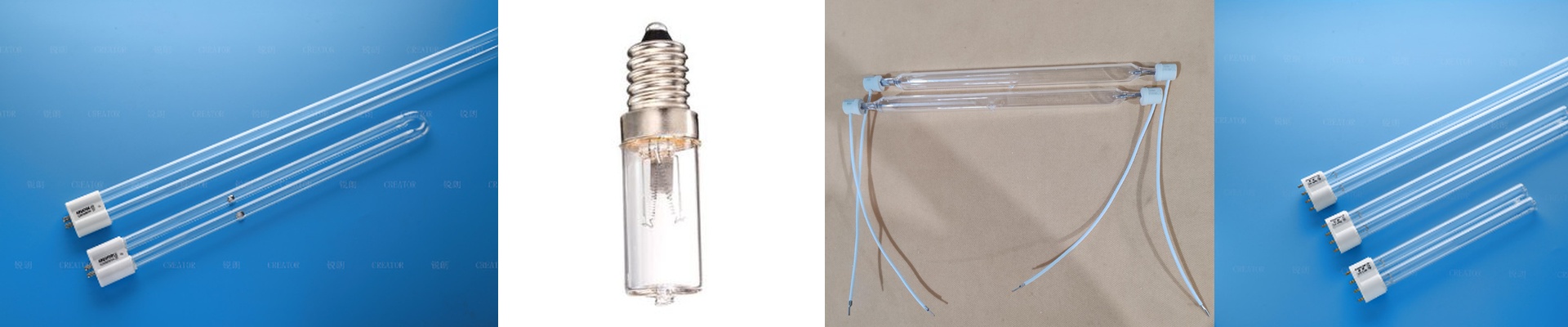
If you want a lamp to hit a specific peak—say 254nm for killing germs or 365nm for curing—you can’t just wing it. You have to be incredibly picky about the gas mixture and what the electrodes are made of. We use high-purity synthetic quartz for the envelope. If the quartz is cheap or full of impurities, it actually sucks up the UV light. That doesn’t just kill your output; it makes the tube overheat and burn out way too fast. Then there’s the plasma. We calibrate the arc discharge to keep things stable so you don’t deal with “spectral drift.” That’s just a fancy way of saying the wavelength shifts as the lamp gets older. If that happens, your line speeds start swinging, and that’s a headache nobody wants.
The trade-off: Power vs. Life
Here’s the thing: high intensity usually comes with a price tag. When you push more wattage into a small space, the electrodes take a beating from the heat. We’ve seen it happen a dozen times—someone cranks up the power to boost their throughput, but since their cooling system can’t keep up, the lamp’s lifespan drops by 20%. You’ve got to find that sweet spot between how much light you need and how often you’re willing to climb a ladder to replace a bulb.
From the lab to your floor
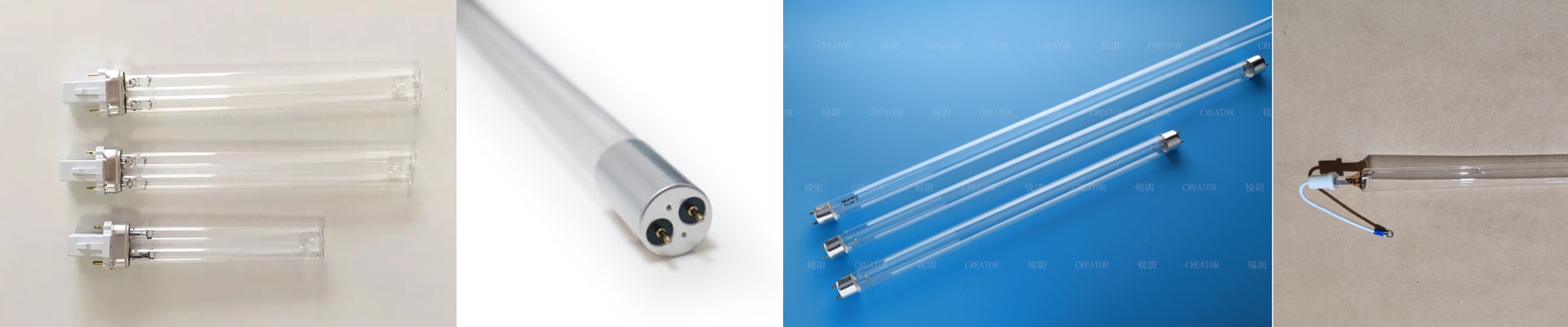
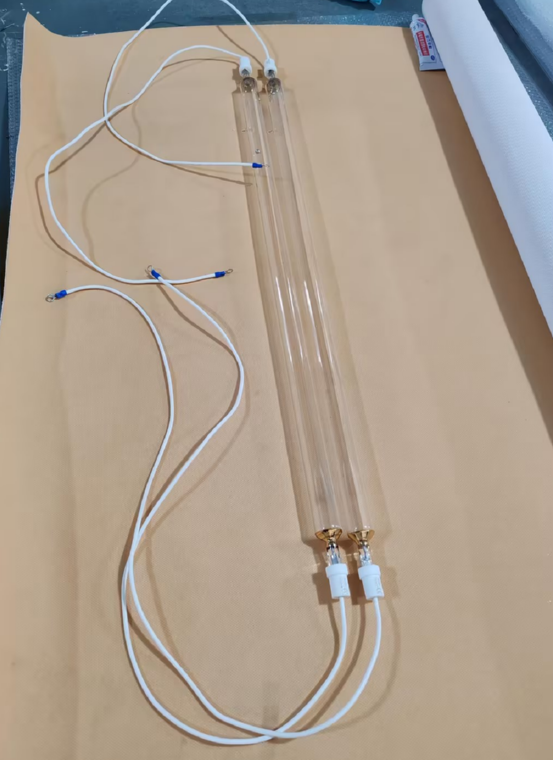
We build these to be simple drop-in replacements. No fuss. We spend a lot of time on the “boring” stuff, like the tolerance of the end-caps and how the pins align. It sounds minor, but if a lamp doesn’t seat perfectly in the socket, you get arcing. And arcing kills your ballast. We keep those tolerances tight so you can just wire it up, flip the switch, and get back to work without worrying about an electrical failure at the contact points.