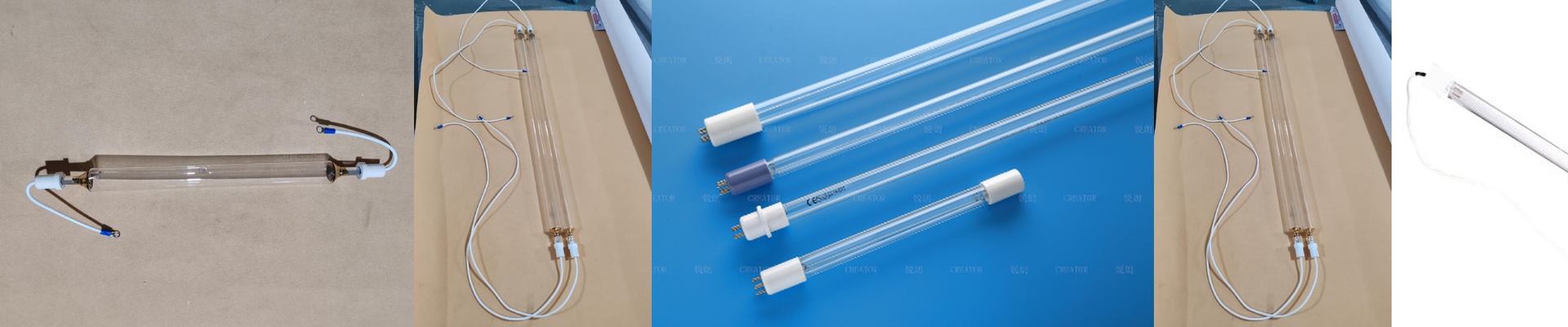
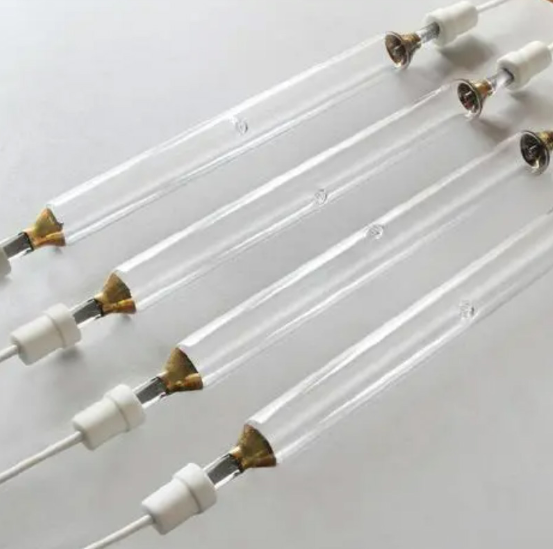
Getting the Most Out of Your Mercury UV Bulbs
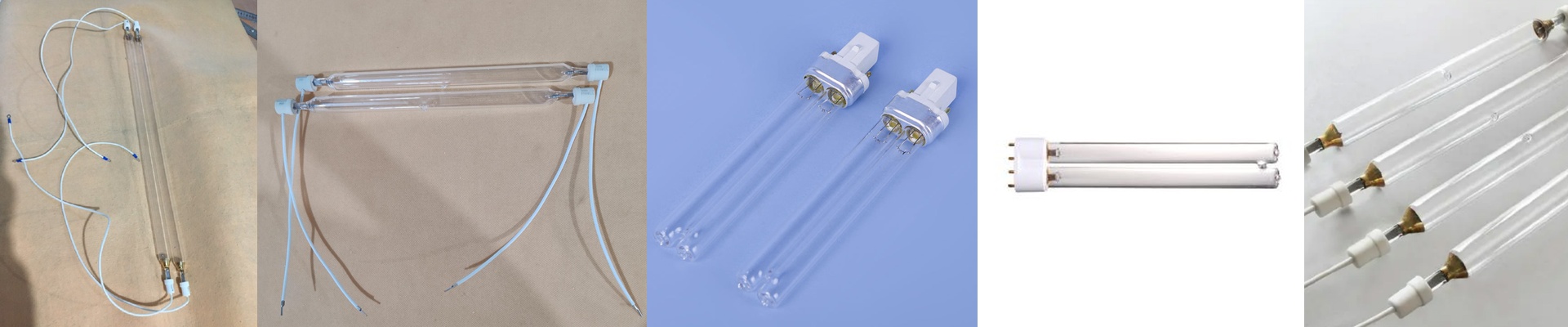
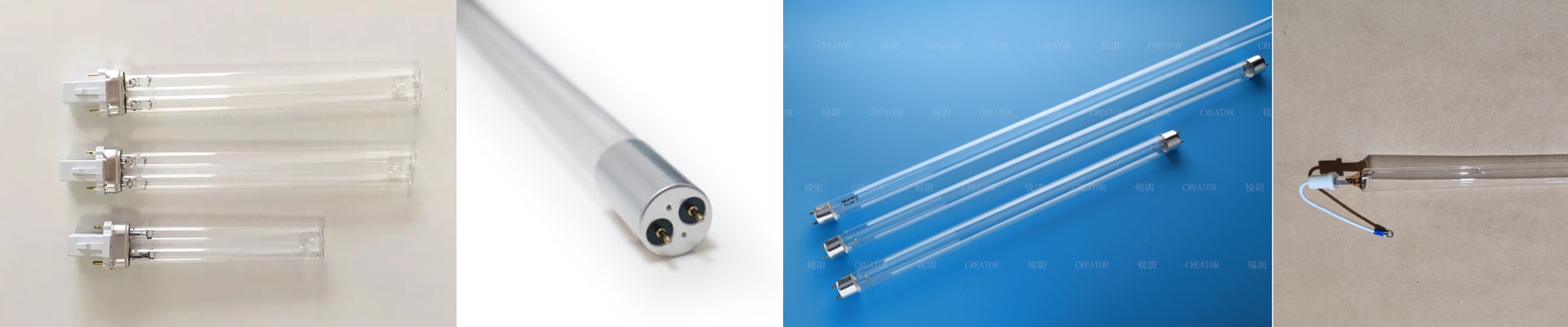
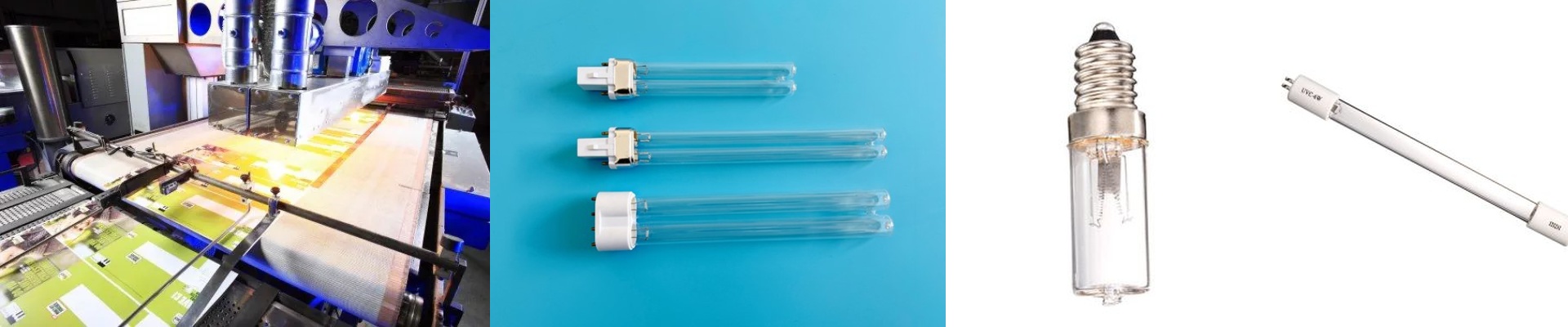
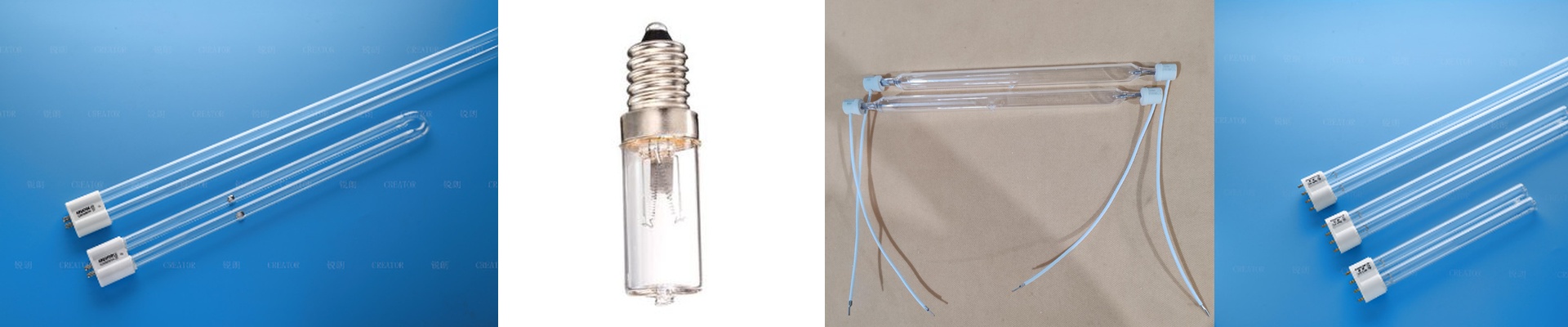
Let’s be real: a mercury UV bulb isn’t just a light fixture. It’s the engine that actually makes your resins and inks harden. We build these things to hit those specific 254nm and 365nm peaks, which is basically the “magic number” needed to get those chemicals to lock together and cure.
How the magic happens (The Physics)
Inside the bulb, we’ve got a mercury-vapor discharge going on. Once you flip the switch, the vapor ionizes and creates a plasma arc. Now, here is the trade-off. High-wattage tubes give you the punch you need to keep your line moving fast, but they gethot. Like, really hot. If your cooling fans can’t keep up with that heat, your quartz is going to degrade, and your bulb will burn out way sooner than it should. It’s a simple balance: more power means you need better airflow.
The nitty-gritty on materials
We use high-purity fused quartz for the outer shell. We do this because regular glass would just soak up the UV rays; quartz lets them fly right through. Most of our standard bulbs lean toward a medium-wave spectrum. Why? Because it digs deeper into thick coatings than the short-wave stuff does. But keep an eye on the electrodes. That’s usually where things go wrong. We use tungsten filaments to handle that first big jolt of voltage when the lamp starts. Just make sure your ballast matches the lamp’s impedance. If they aren’t in sync, you’ll either get a weak light or—worst case—you’ll blow the filament the second you turn it on.
Making it smarter
The days of “set it and forget it” are pretty much over. Lately, we’ve been hooking UV intensity sensors directly into the PLC loop. It’s a huge relief. Instead of guessing, the system monitors the actual UV output in real-time. As the bulb gets older and loses a bit of its kick, the conveyor simply slows down to compensate. You get the same hardness on every single part, whether the bulb is brand new or on its last legs. No more worrying about a bad batch because the lamp was fading.