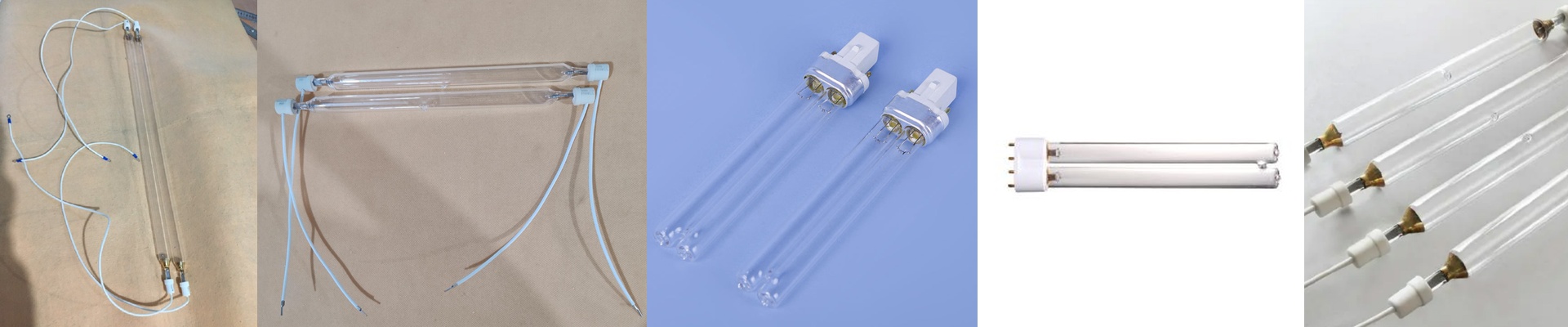
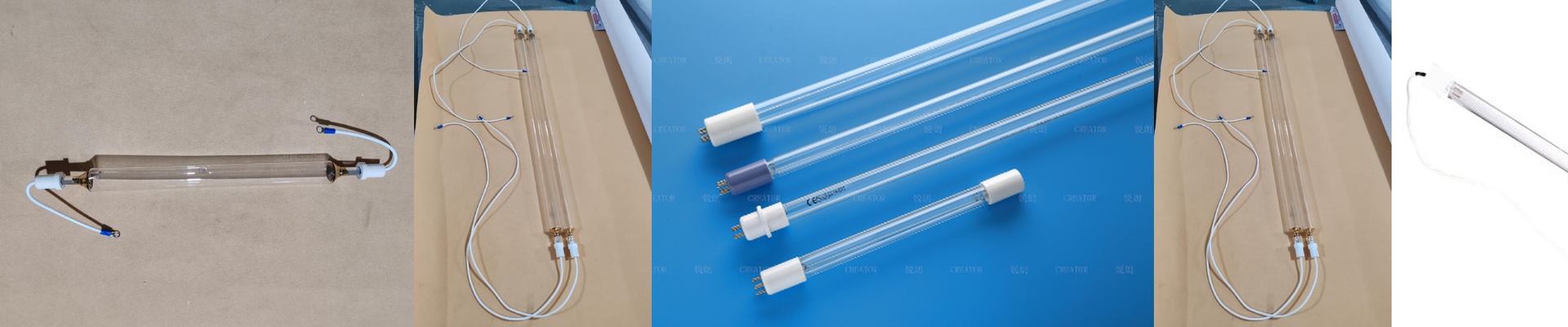
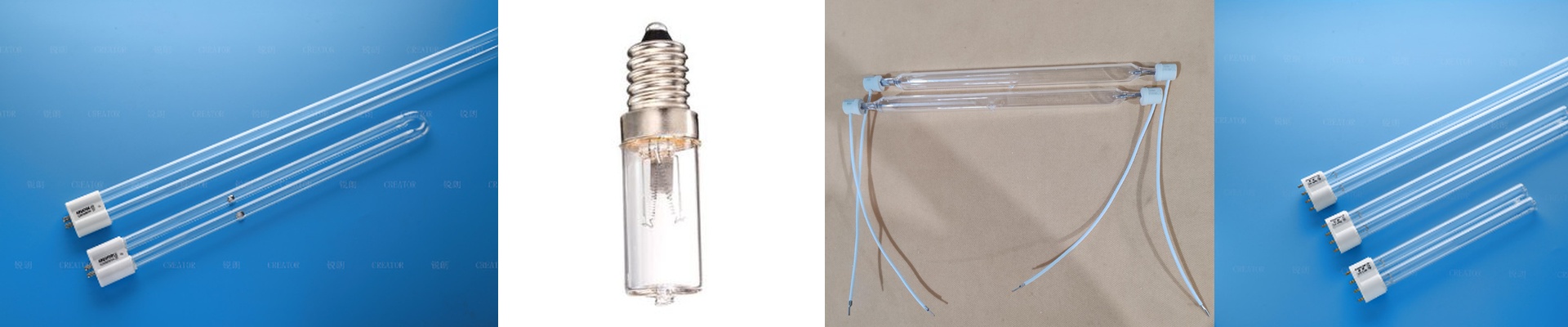
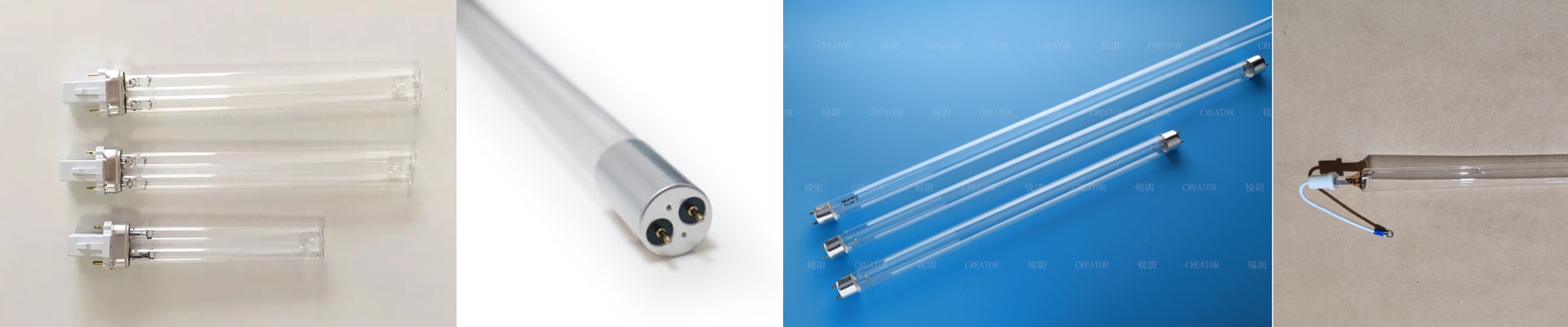
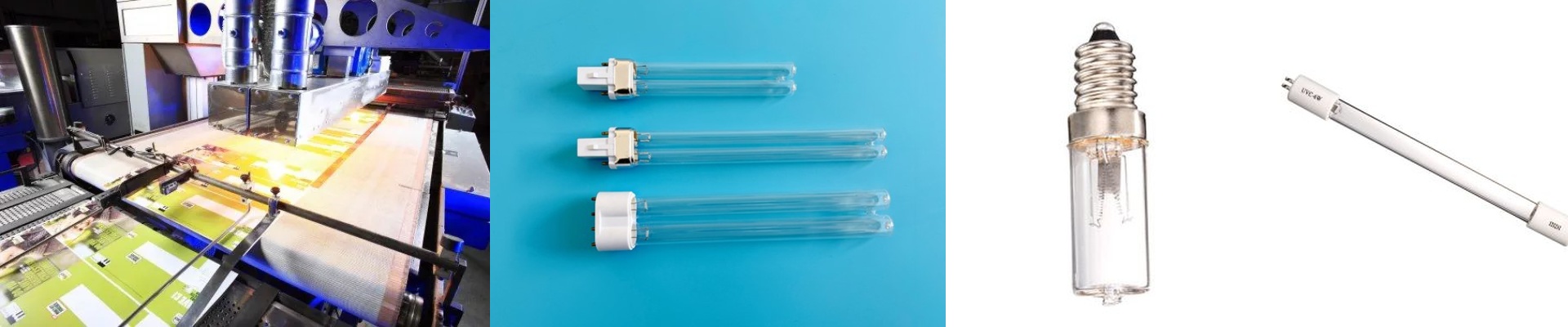
On a 24/7 floor, dry film processing doesn’t have time for UV output that drifts. Too weak a spectral curve, and you’re left with uncured resin. Hit the wrong wavelength, and you’re just burning energy for nothing. We built the Gallium UV bulb to cut straight through that problem—steady, targeted photon density right where the chemistry needs it. What actually matters under the hood The Gallium bulb is tuned for a narrow-band spectral output, chosen to drive deeper into dry film without overexposing the surface. Peak irradiance stays consistent across lamp life, so the energy density needed for full cross-linking doesn’t sag. That means curing happens on the trigger, not through a slow bake that drags throughput. The payoff is a process window you can count on: predictable cure depth, predictable adhesion, and fewer rejects. In a modern industrial 4.0 flow, uptime and repeatability are what you get judged on. This bulb drops into existing UV systems without re-engineering the line, but it still raises the floor by delivering a full cure at line speed. You get better penetration through thicker films, faster cycle times, and less energy pulled per unit cured. Maintenance also gets easier because the bulb holds output stability over thousands of hours—fewer unplanned lamp changeouts and fewer surprises on the dashboard. Here are the details that can’t be glossed over Matching is mandatory. The bulb has to line up with your reflector geometry and the spectral requirements of the job; otherwise, irradiance uniformity drifts and cure quality turns spotty. We provide the spectral profile and operating parameters up front, but before installation, confirm your fixture voltage, connector type, and cooling airflow. Keep the lamp within rated power and keep it clean. Output degradation is predictable when contamination builds up, so housekeeping isn’t optional—it’s part of the spec.