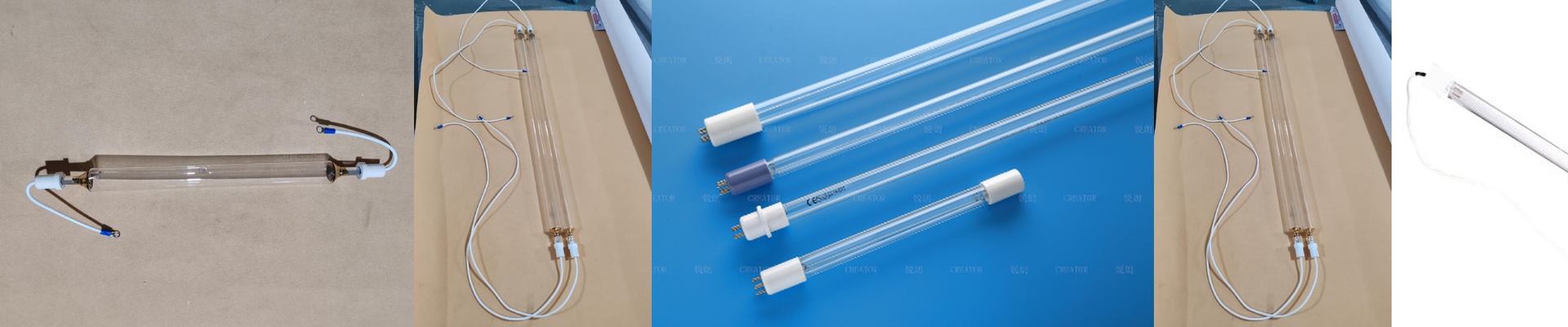
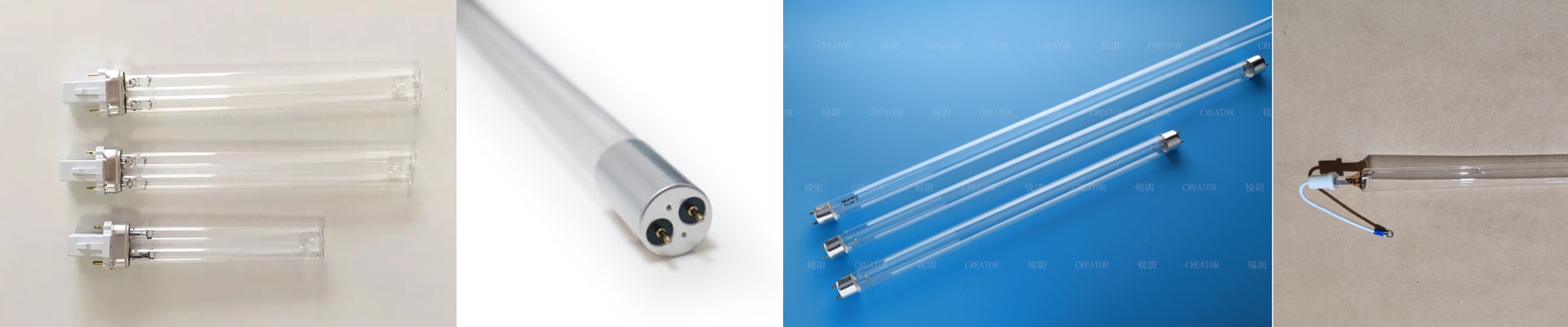
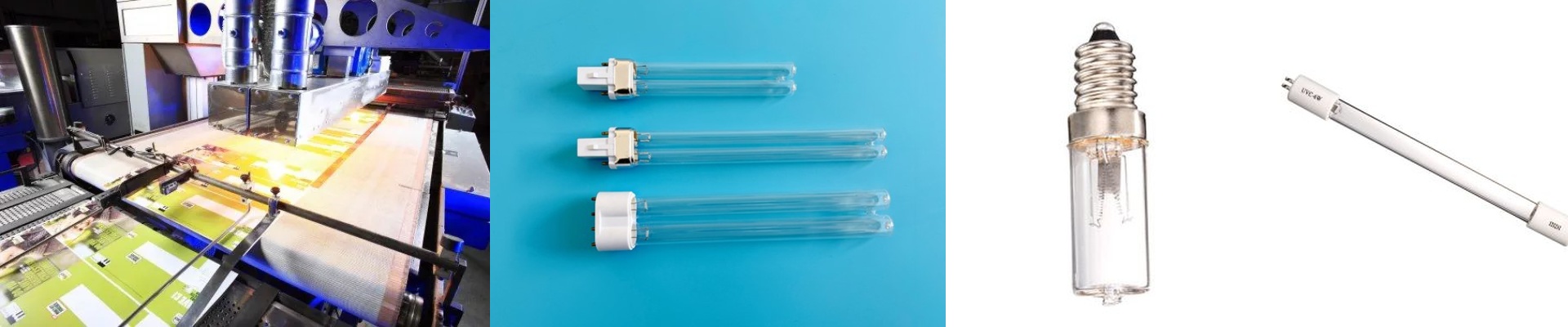
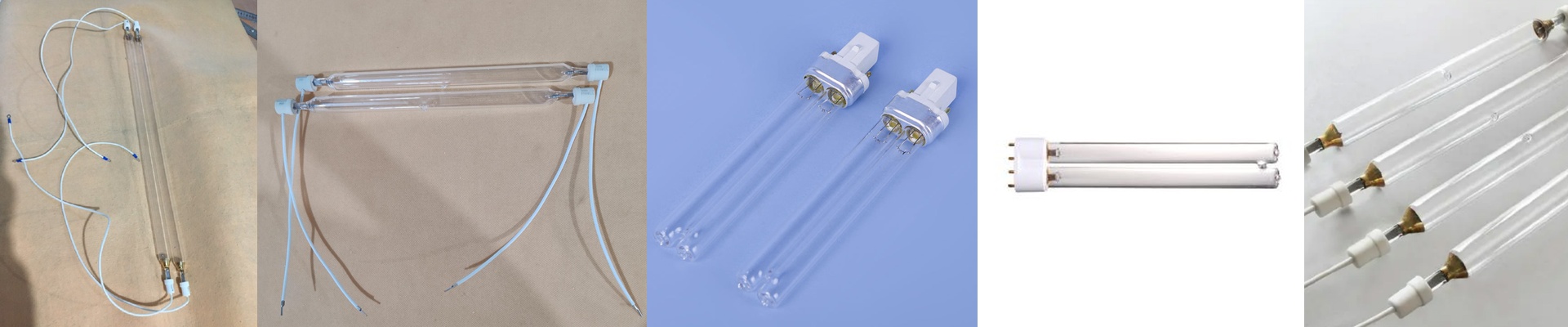
Out on the press floor, you know it the second you see it: the UV output and the ink chemistry are out of step. You get tack issues, a cure that never quite locks up, or power bills that climb without any extra throughput. The fix isn’t just the lamp. It starts with the reflector and the wavelength you commit to. What actually matters under the hood UV curing is a photon budget, plain and simple. We build the system around spectral output and peak irradiance because the photoinitiators in offset, flexo, and screen inks all have their own absorption bands. A high-pressure mercury lamp gives you strong output at 365 nm, with additional lines at 313 nm and 436 nm. For thin-film, lower-heat work, 385 nm and 405 nm LED sources can take some of the thermal load off the substrate. The reflector decides how much of that output actually reaches the web as usable energy density (mJ/cm²). Elliptical reflectors focus the arc image onto the web, so peak irradiance climbs and cross-linking happens fast. Parabolic reflectors give you a more collimated field, which improves uniformity across wide substrates. Dichroic coatings on the reflector suppress IR transmission, manage heat, and keep UV reflectivity where you need it. Clean geometry and a quality surface finish are what make the energy count. Why this plays out differently by process In offset, the ink film is thicker, so you need high peak irradiance to drive surface cure without oxygen inhibition. An elliptical reflector paired with a 365 nm-dominant mercury lamp delivers the dose that gets the job done. Flexo runs thin films, and the anilox roll-out demands uniformity. Parabolic reflectors, plus tight control of lamp-to-web distance, help you avoid pin-holing and mottle. Screen lays down thick deposits, and you have to cure through the depth. A broader spectral profile and a reflector that holds its efficiency give you through-cure without cooking the mesh. When the light path is optimized, you waste less UV, you can shorten drying lanes, and power draw comes down. The shop-floor details that make or break it Reflector gains are real, but they only hold up if you keep your alignment discipline. A mis-centered arc, a reflector fouled with ink or dust, or a contaminated dichroic surface will drop delivered irradiance fast. Measure at the substrate plane with a spectral radiometer. Map irradiance and dose across the web. Expect lamp output to fade as arc hours accumulate, and schedule replacements around your measured stability window. And don’t sleep on ozone handling. Even ozone-free lamps can generate some ozone at the quartz envelope. Proper airflow and a well-designed housing protect lamp life and keep operators safe.