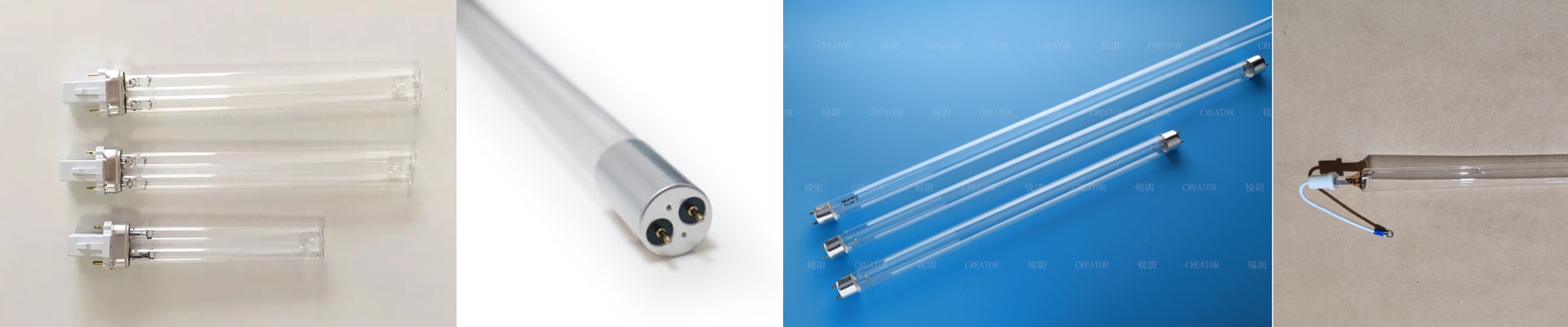
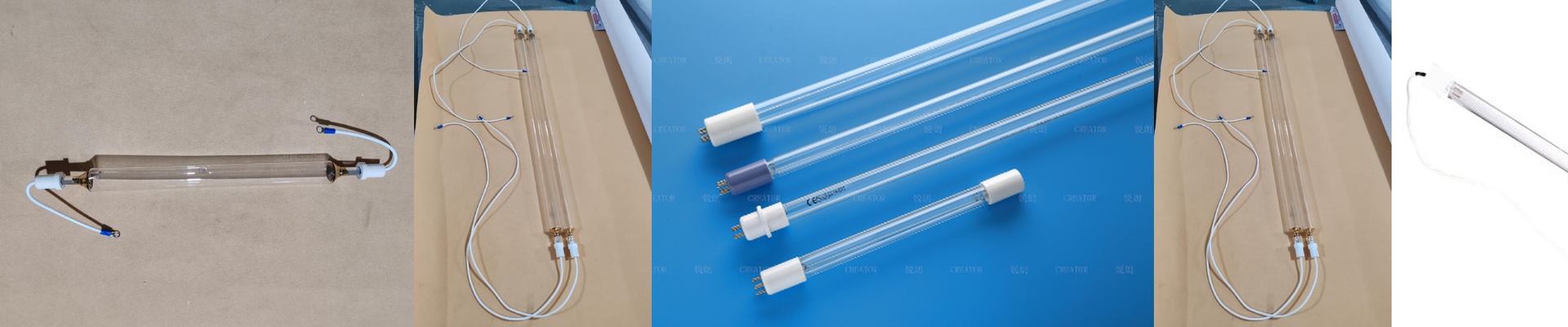
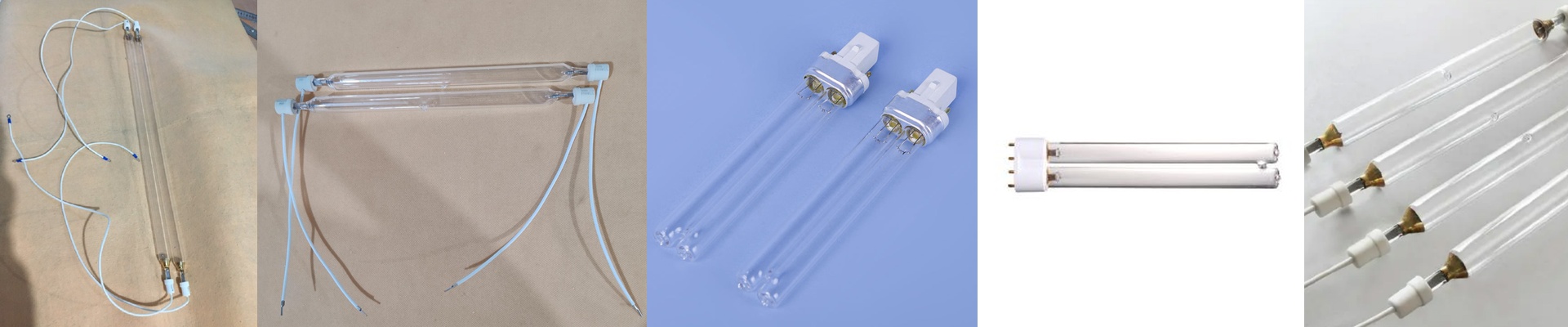
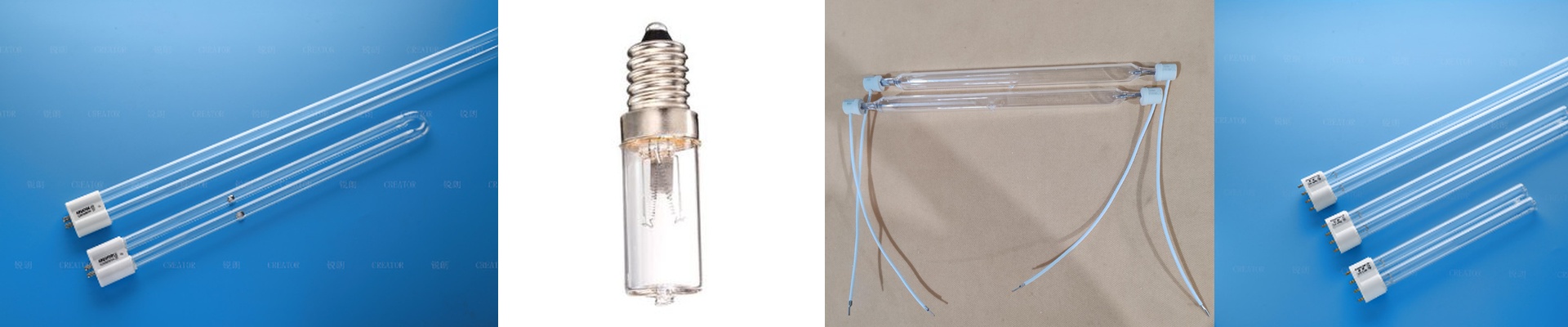
The Real Cost of UV/IR Lamps (And How to Actually Save Money)
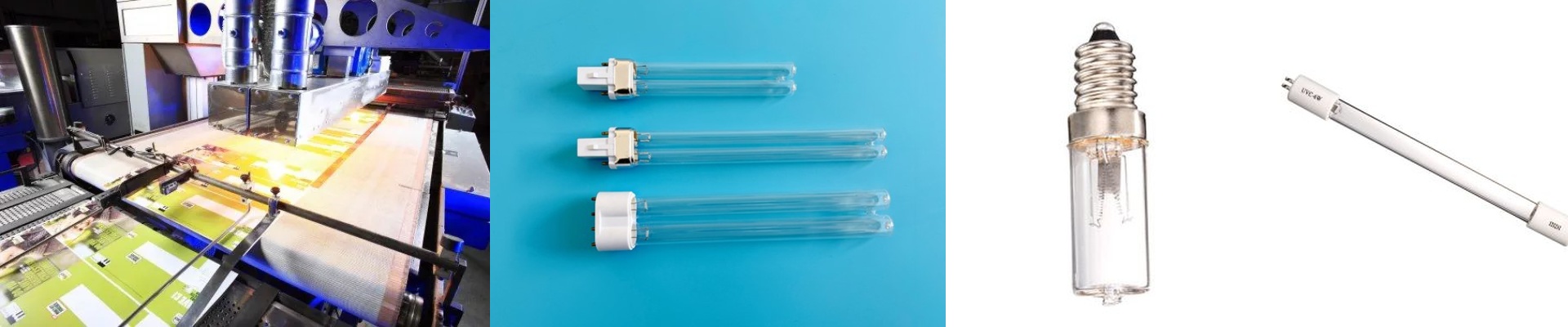
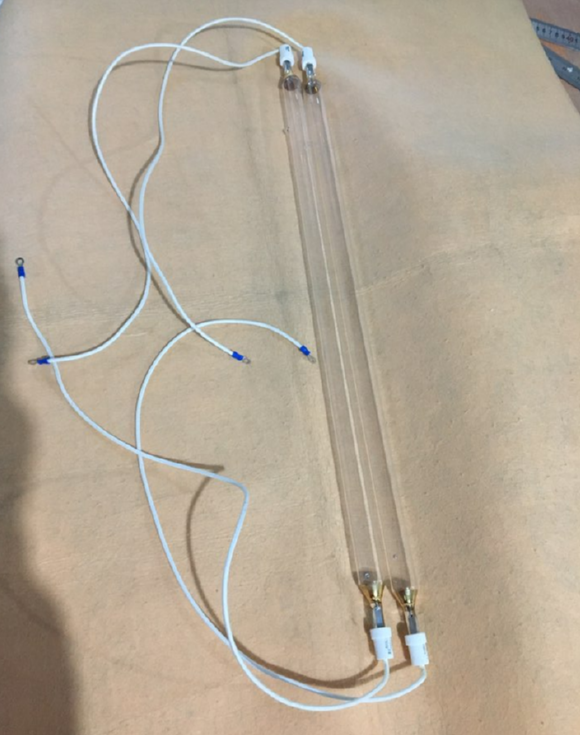
Most people shopping for industrial lamps just look at the price tag per unit. That’s a trap. In the world of heating and curing, the real cost isn’t what you pay on day one—it’s how often you’re climbing a ladder to replace a dead bulb and how much your electricity bill spikes. We do things a bit differently. We handle the whole production chain for our infrared and ultraviolet lamps. No middlemen, no distributors taking a cut, and no corporate markups. Cutting out the noise We don’t buy our parts from some third party and slap a label on them. We handle everything—from sourcing the raw quartz and welding the electrodes to the final gas filling—right here in-house. Because we own the process, we can give you wholesale pricing without skipping the important stuff. You still get a perfect vacuum seal and high-purity quartz glass, but you aren’t paying for someone else’s office rent and marketing budget. The balancing act Here’s the thing about high-output UV lamps: they’re finicky. You need the wattage and voltage to match up perfectly. If you throw a high-wattage lamp into a small space, you’re basically just cooking your own reflector. It’s a recipe for disaster. We build our tubes to tight tolerances so they don’t just burn out the moment things get hot. But you also have to think about heat. A lamp pushing max intensity is going to get hot. Really hot. If your cooling system can’t keep up with that thermal load, your lamp life is going to tank. We give you the actual data sheets so you can wire it up right the first time and forget about it. Making it work in the real world These lamps are built to be drop-in replacements. We aren’t trying to reinvent your entire curing line; we just want to make sure the mechanical fit is snug and the electricals play nice. Whether you’re running a PET blowing line or a high-speed coating process, you just need the light to be consistent. Period. We keep costs down by cleaning up how we manufacture, not by using cheap materials. You get a lamp that can take a beating in a noisy, gritty factory environment while keeping your overhead where it belongs: low.