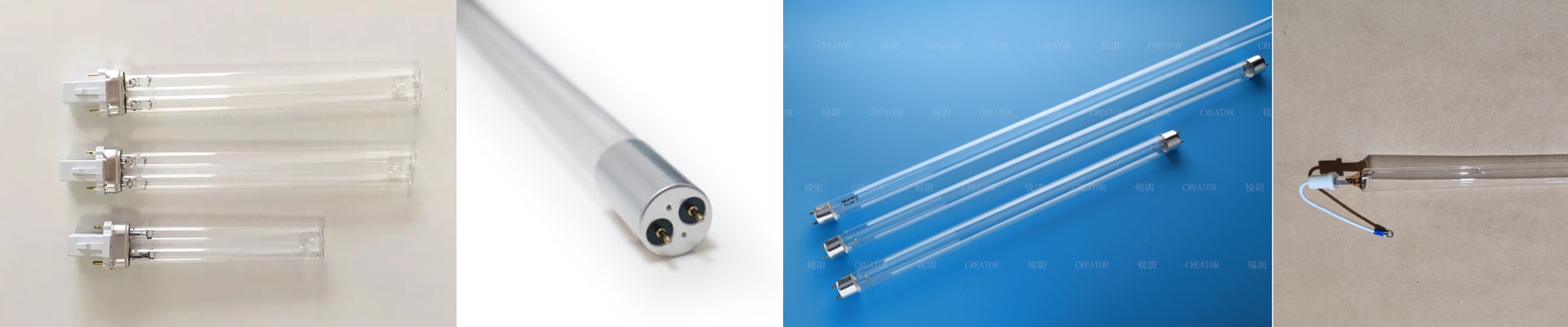
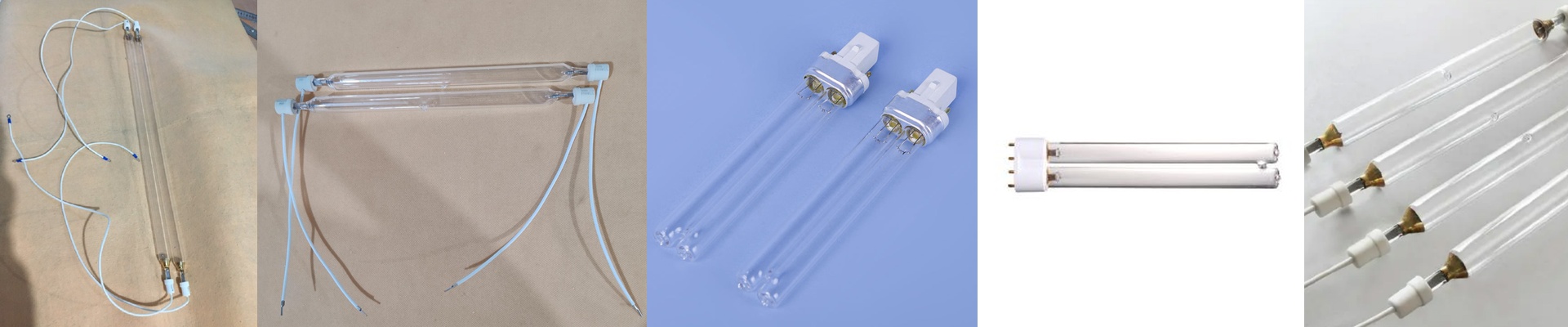
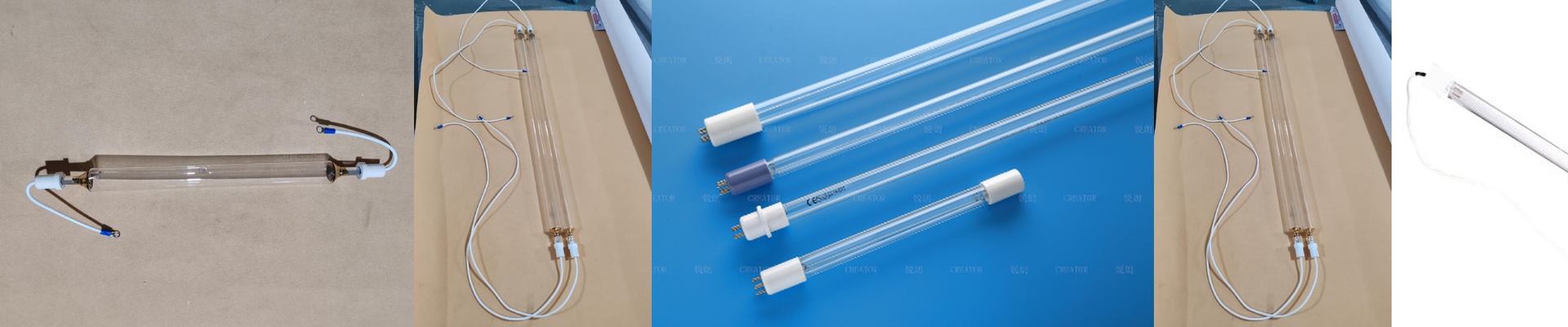
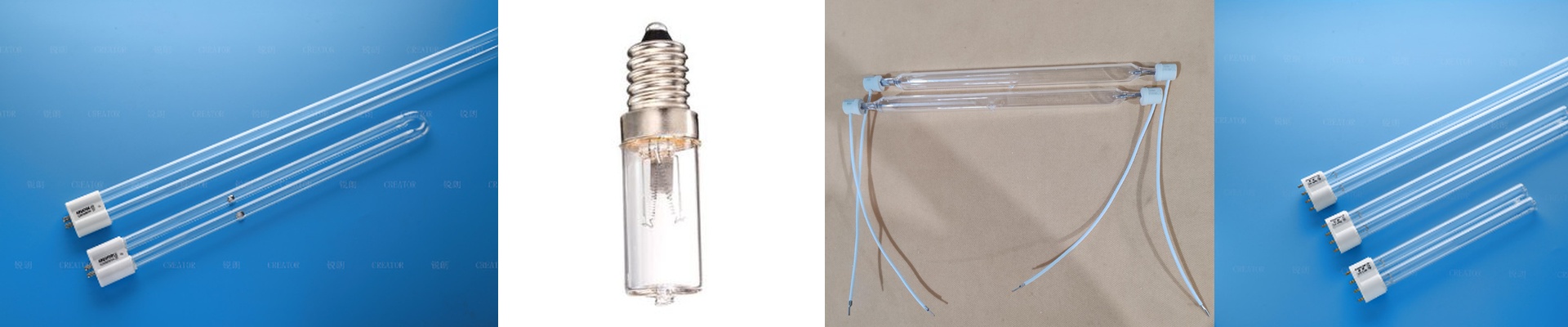
Getting More Bang for Your Buck with UVC Lamps
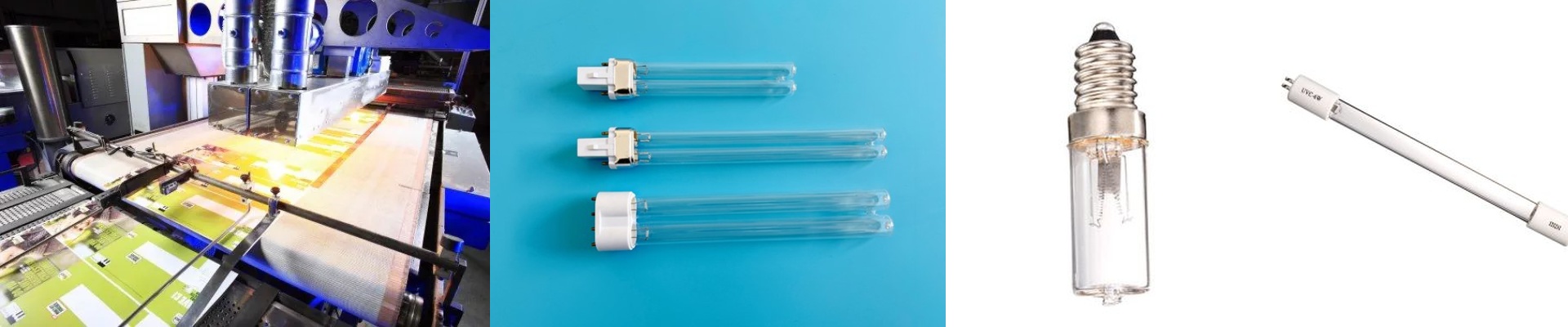
Most UV lamps are a bit messy. They spray their energy across a wide range of wavelengths, which means a lot of that power is just… wasted. We spent a long time in the lab trying to fix that. Our goal was to tighten everything up to a 0.5% spectral energy concentration. In plain English? We’re shoving as many photons as possible into that sweet spot at 253.7nm. That’s where DNA and RNA actually break down. Everything else is just noise. How we actually did it Getting to that 0.5% mark wasn’t easy. We had to get obsessive about the gas mixture and the shape of the electrodes. We spent weeks tweaking the mercury vapor pressure and the argon starter gas ratio. If the pressure is off by even a tiny bit, the peak shifts or gets blurry. We also switched to high-purity synthetic quartz. Why? Because standard glass tends to soak up the UVC light. We wanted that energy hitting your target, not heating up the lamp itself. The trade-off Now, look—this kind of precision doesn’t come for free. To get this kind of focus, we have to be incredibly strict with the filament winding and the vacuum seal. It makes the lamps way more lethal per watt, but it also makes them a bit “picky.” They don’t handle voltage spikes or dips very well. You’ll need a stabilized ballast. If your power supply is flickering or rippling, you’ll lose the very edge that makes these lamps special. What this means for your line We built this specifically for high-volume sterilization. Because the energy is so concentrated, you have a choice: you can either cut down the exposure time or crank up your belt speed. Either way, your kill rates stay the same. Plus, the whole system draws less power. Your conveyor stays cooler, which means you aren’t stressing out the materials you’re treating with unnecessary heat. One last tip: use polished aluminum reflectors. If you don’t, you’re basically throwing away all the precision we worked so hard to build into the glass.