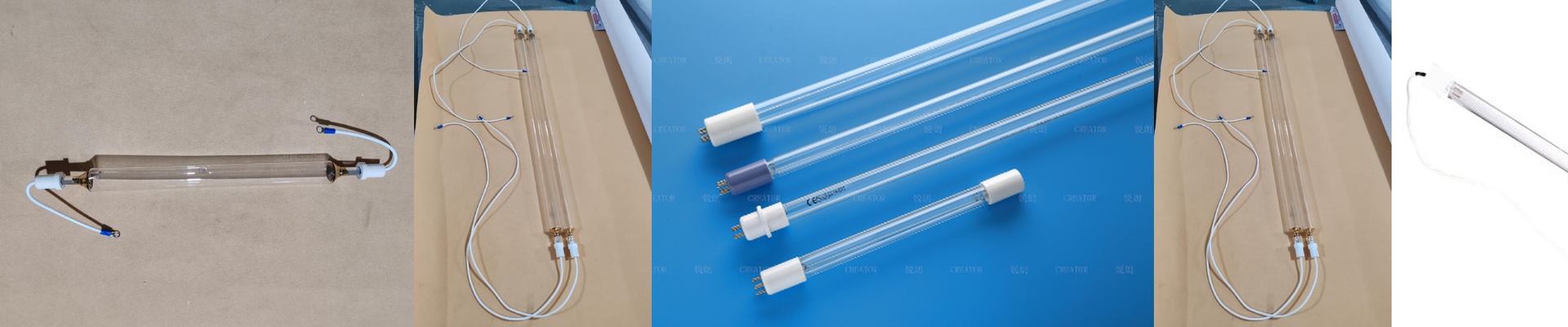
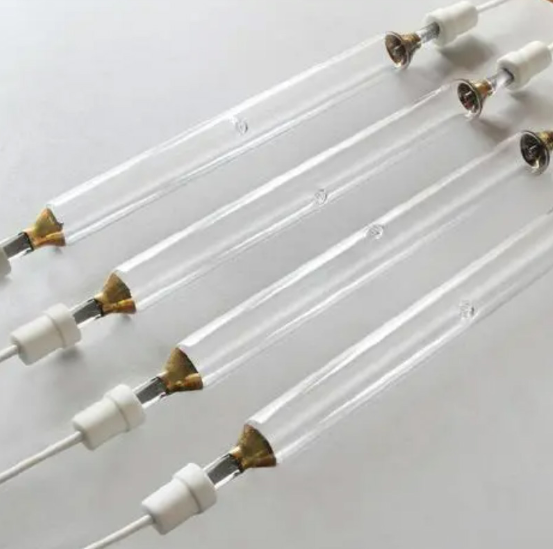
Building a UV Curing System That Actually Works
Let’s be honest: UV curing is more than just plugging in a lamp and hoping for the best. It’s really about getting the right amount of energy exactly where it needs to be so your inks and coatings actually set. When we build these modular systems, we aren’t just selling you a pile of parts. We’re looking at your specific printing line. Why? Because nothing is more frustrating than pulling a sheet off the line and finding uncured spots or that annoying, sticky tackiness.
Scaling Your Power (Without the Headache)
The beauty of a modular setup is that it grows with you. If you decide to crank up your conveyor speed to hit a deadline, you can’t just keep the same settings. You’ll need more lamps or higher wattage to keep that dose (mJ/cm²) consistent. We figure out the exact specs based on the photoinitiators you’re using, so you don’t have to guess. But here’s the catch: more power means more heat. If your cooling fans or water-jackets can’t keep up, things get messy. You’ll start seeing PET warping or delicate films shrinking. It’s a balancing act.
Easy Swaps and Less Downtime
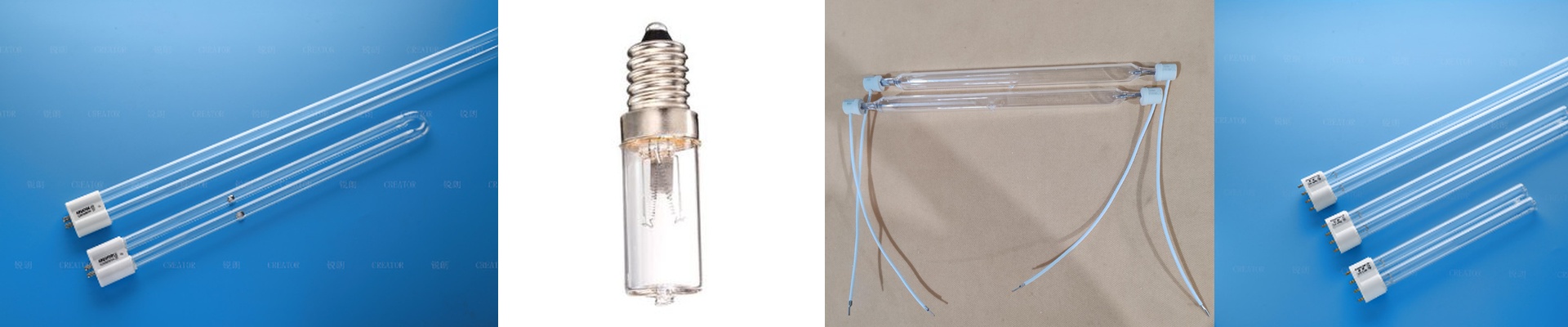
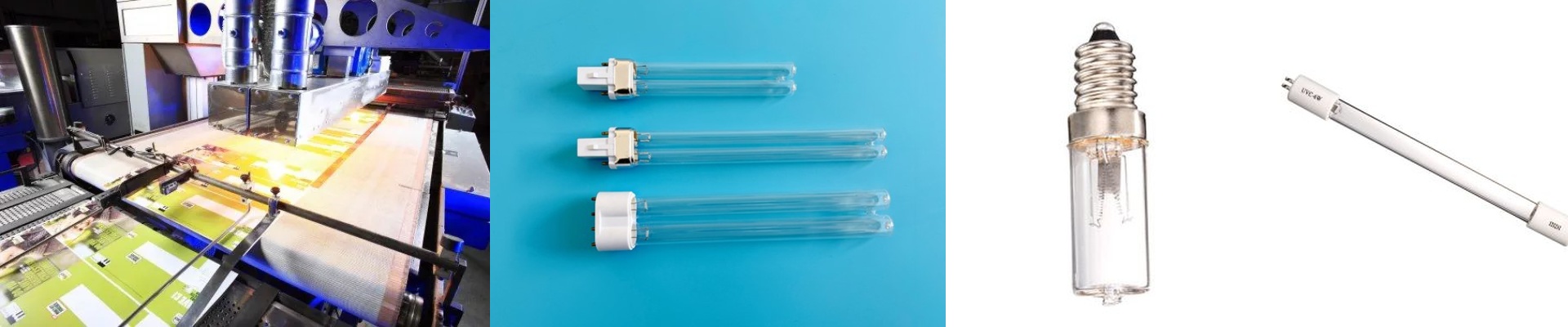
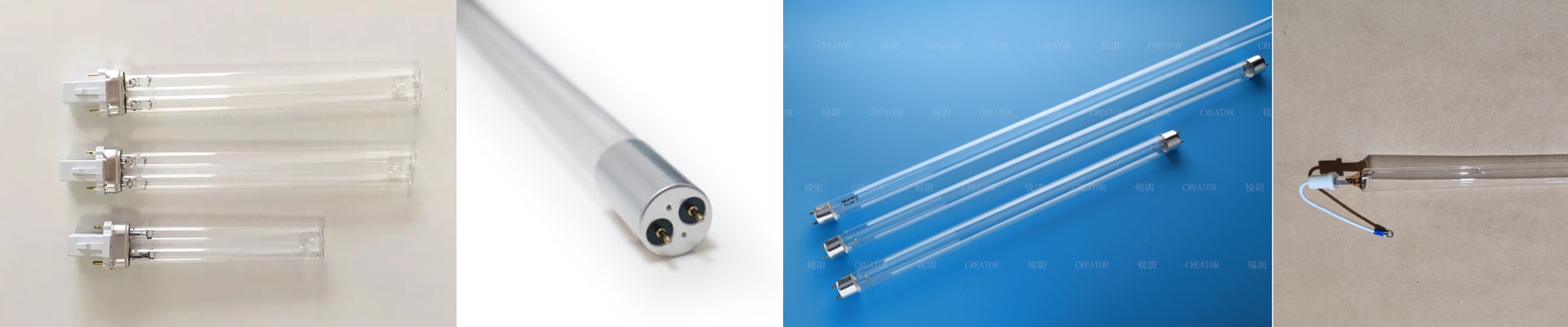
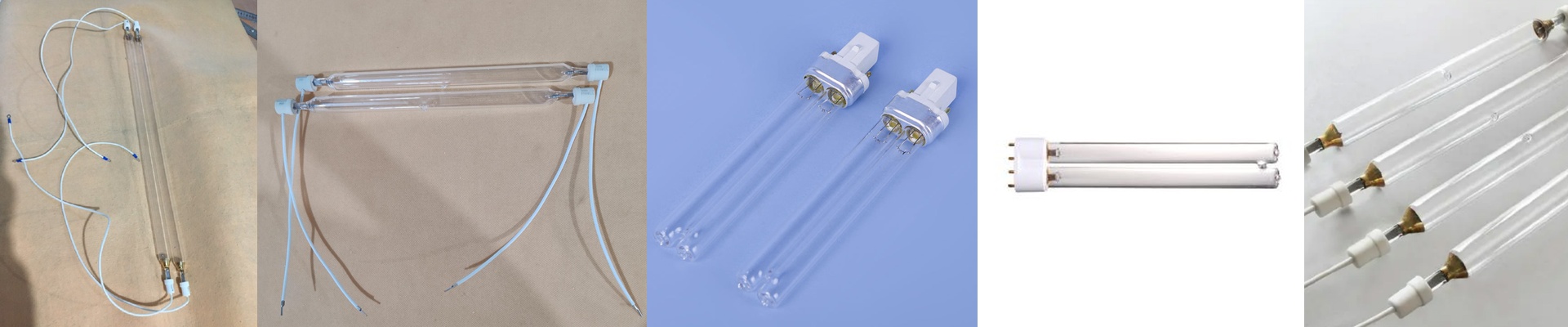
Nobody wants to tear down an entire rig just because one tube burnt out. That’s why we use standard connectors and modular housings. You can swap a lamp out quickly and get back to work. It makes shift changes a whole lot smoother. We also spent a lot of time on the reflectors. They push the UV light straight down where it belongs. This saves energy and, more importantly, stops the UV rays from eating away at your machine’s frame over time.
The Trade-off: Power vs. Lifespan
There is a bit of a tug-of-war here. If you run your lamps at absolute max power, they’re going to wear out faster. The electrodes degrade and the light spectrum starts to drift. My advice? Don’t wait for the lamps to die. Set up a staggered replacement schedule. Swap your tubes out when they hit about 80% of their rated life. It keeps the curing consistent across the whole array and saves you from “zebra striping”—those ugly alternating lines on your finished prints that can ruin a whole batch.