Stop Fighting Your UV Curing Setup
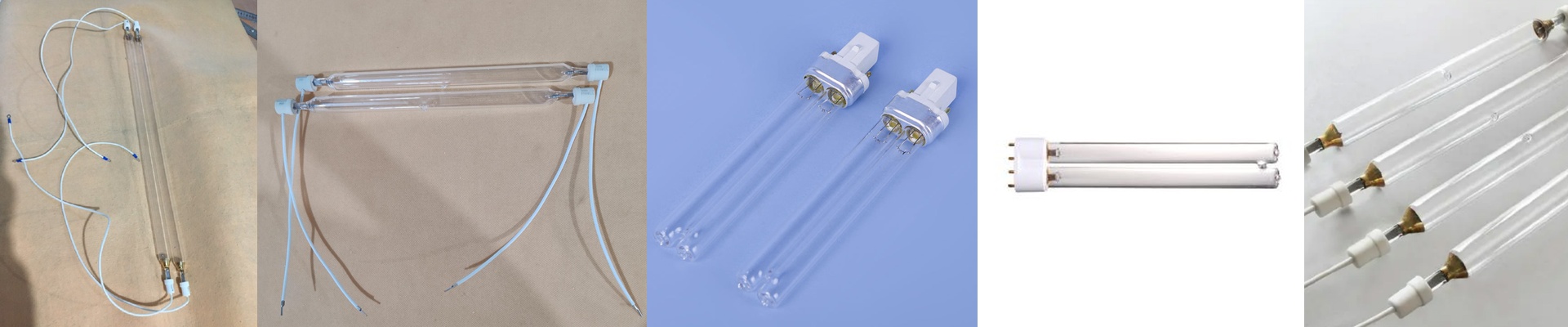
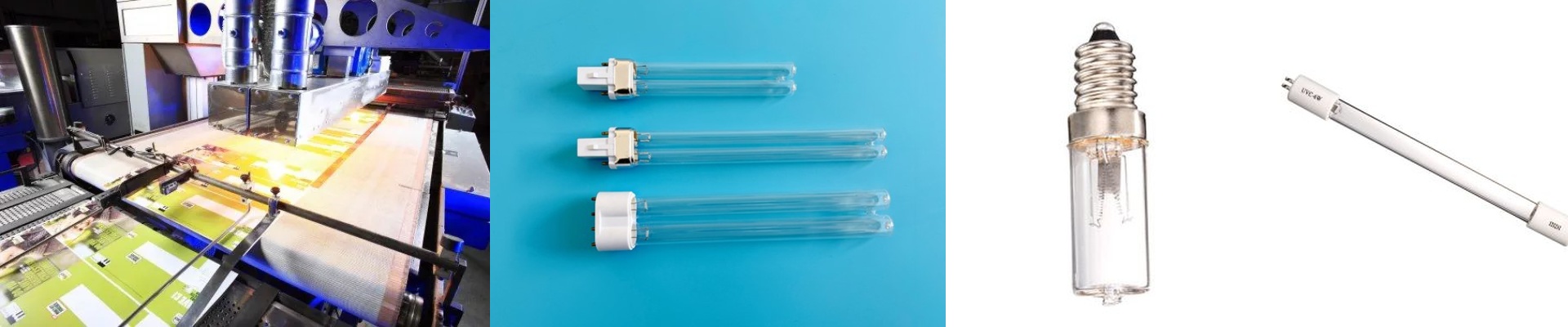
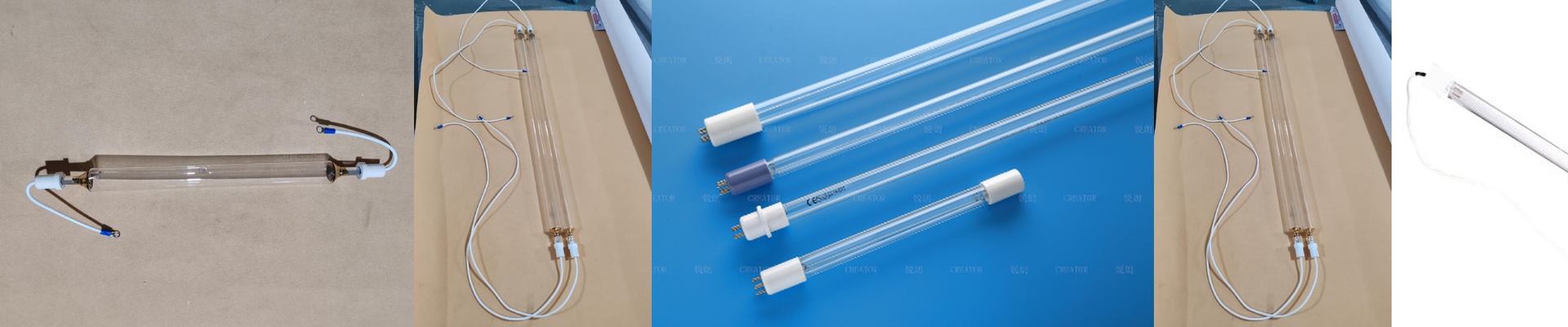
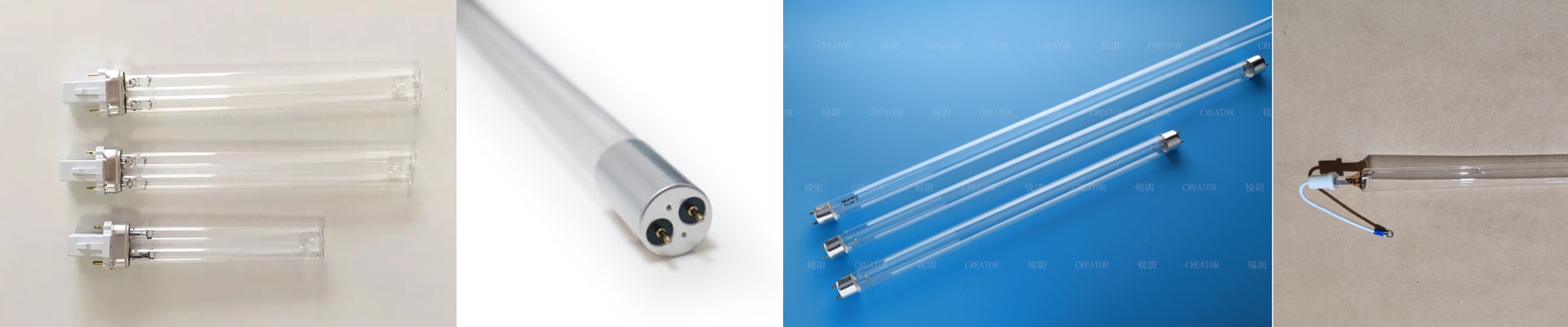
Let’s be honest: fixed-lamp arrays are a pain. You’re cruising along, but then you need to speed up the line or you’re dealing with a thicker ink, and suddenly your static system just can’t keep up. You’re stuck. That’s why we built our UV system to be modular. Instead of tearing apart your entire conveyor frame just to get more power, you just snap in another module. It’s that simple. Dealing with the heat Here is the thing about high-intensity UV: it gets hot. Fast. We’ve packed a lot of power into a small space to get the irradiance levels you need, but you can’t just let that heat sit there. If you run these at full blast without a plan, you’ll end up warping your materials or killing the lamp. To stop that from happening, we’ve built in forced-air cooling and liquid-cooled heat sinks. It keeps things chill so you can keep producing. No more rewiring nightmares Nobody wants to spend their afternoon wrestling with wires on a loud shop floor. We used a plug-and-play interface for the power supplies, so if a module goes down, you swap it out in a few minutes and get back to work. We also standardized the connectors. Why? Because it keeps the voltage steady across the whole line. It kills those annoying “dark spots”—you know, those tacky patches of ink that just won’t dry because the lamp output dipped. Real-world printing When you’re running high-speed, you only have milliseconds to get that ink to set. Our setup lets you tweak the distance between the lamp and your substrate to find the sweet spot. Running a thick varnish? Toss in a few more modules. Working with thin ink? Dial it back so you don’t make the finish brittle. It’s a simple balance between how fast you want to move and how much power you want to use. Plus, we built these things to be tough. They can take a beating in a 24/7 production cycle without flinching.