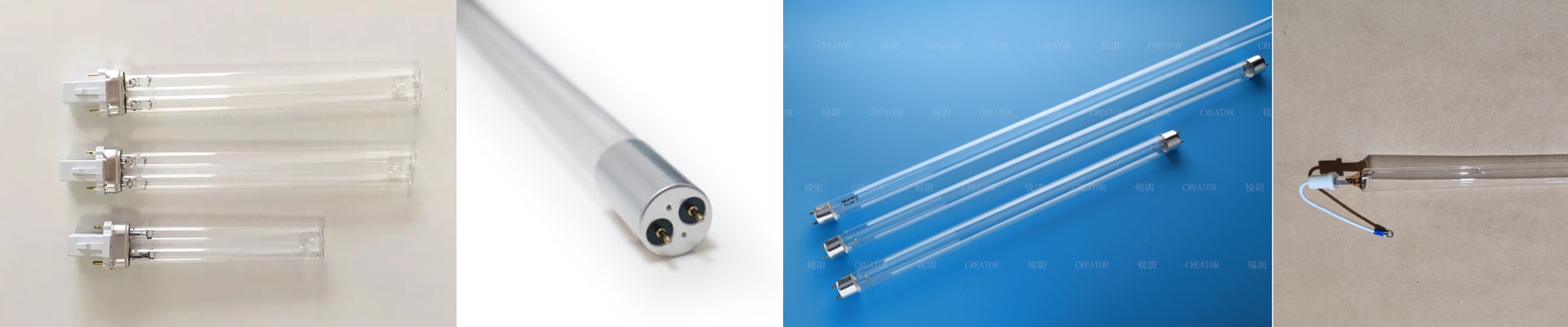
Why a Few Nanometers Actually Matter in UV Lamps
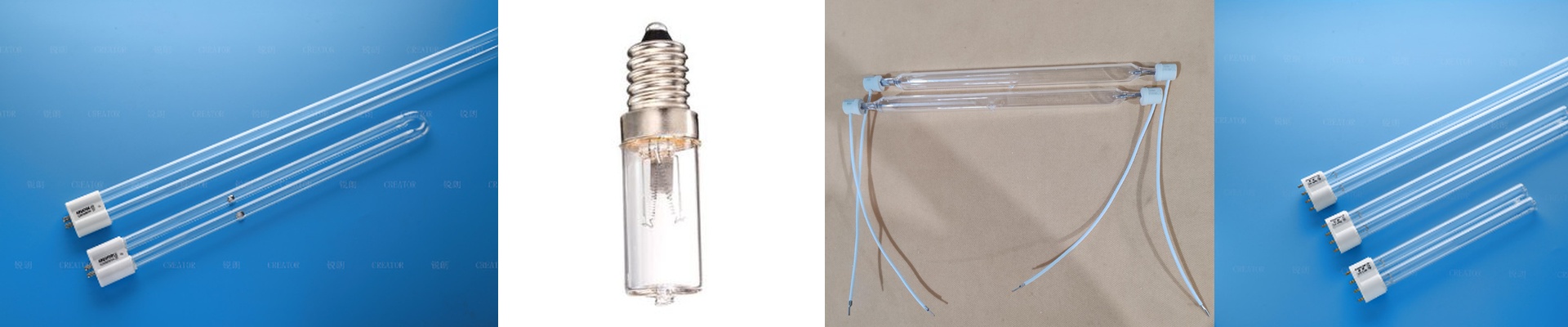
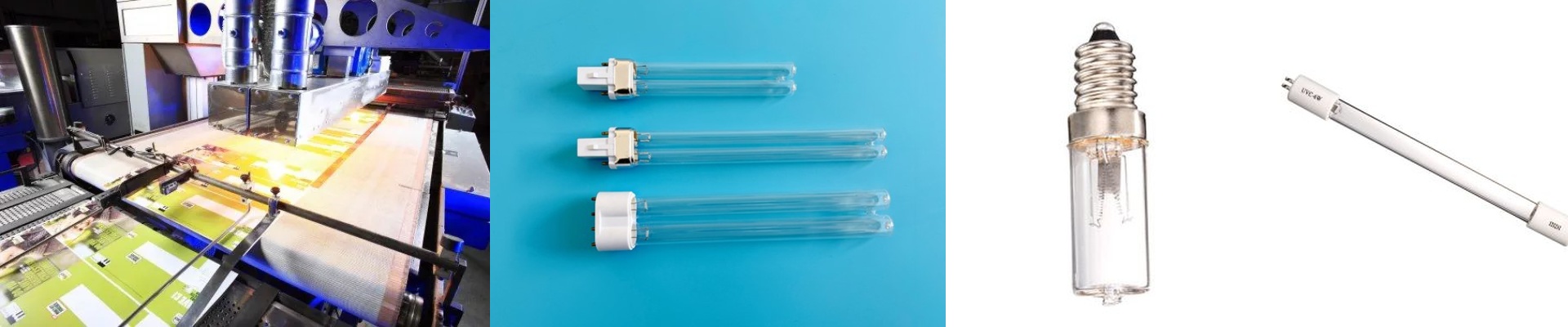
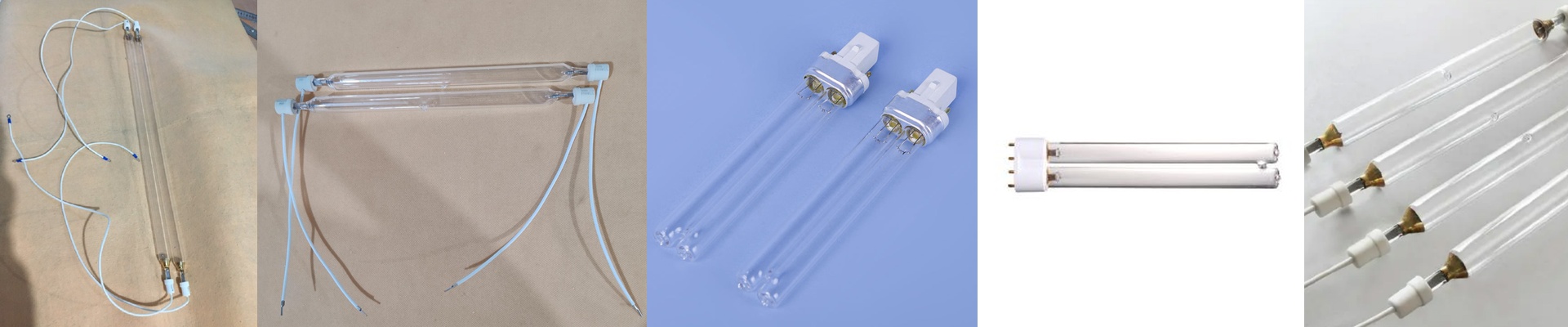
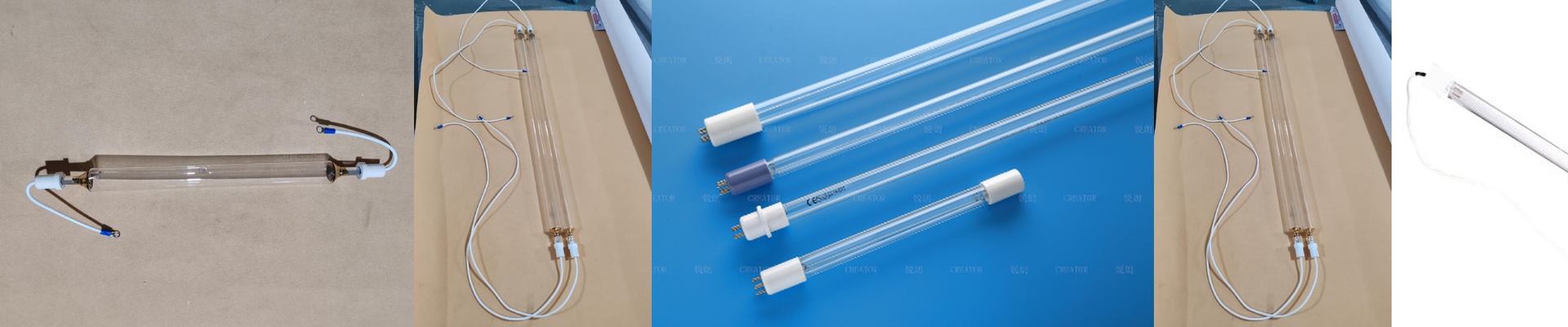
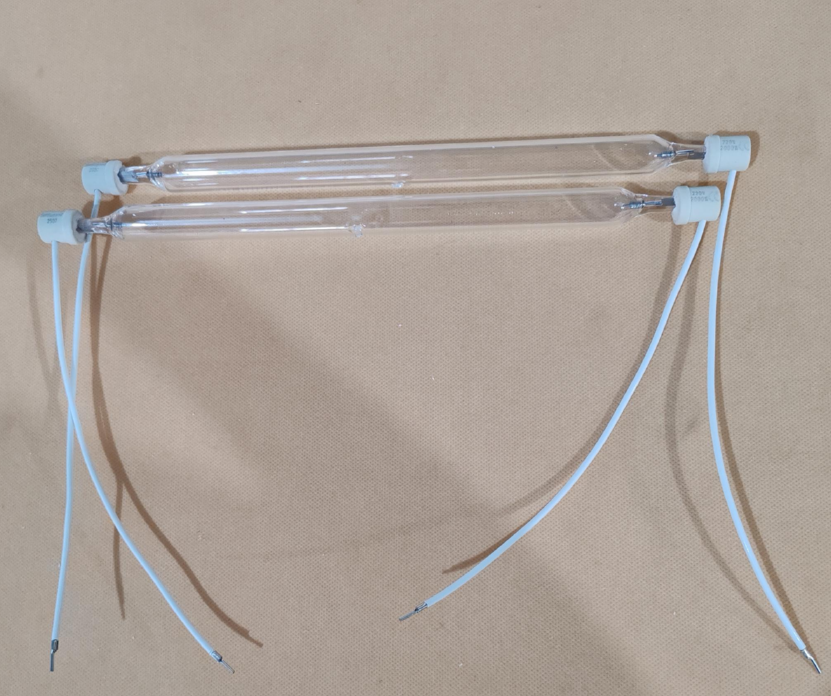
You’ll see plenty of lamps claiming “broad spectrum” coverage. On paper, that sounds great. But in the real world—when you’re curing a batch of industrial parts or sterilizing a line—a tiny shift of a few nanometers is the difference between a perfect finish and a total waste of materials. That’s why we spend so much time in the lab obsessing over the peaks. We aim for that sweet spot in the UV-C range. It’s where the energy is just right to snap molecular bonds or shut down DNA. Getting the light right It’s a balancing act. We tweak the gas mix inside the quartz and dial in the current hitting the electrodes. Here’s the thing: if you crank the current too high, the spectrum starts to bleed. You end up wasting energy as heat instead of getting the UV light you actually need. We keep the tolerances tight so the photons hitting your product have exactly the right amount of punch to trigger the chemical reaction. The gear inside We don’t use standard glass. Why? Because it blocks UV. Instead, we use high-purity synthetic quartz that lets those specific wavelengths slide right through. Inside, it’s usually a precise blend of Argon and Mercury, all vacuum-sealed tight. If that seal fails, even by a hair, the lamp is toast. The trade-offs you should know about High-intensity UV isn’t “plug and play.” You can’t just toss these into a standard wall outlet. You’ll need a stabilized power supply, otherwise, you’ll deal with flickering and electrodes that wear out way too fast. And watch your heat. Pushing for more wattage means things get hot—fast. If your cooling fans or water jackets aren’t up to the task, the quartz tube can literally crack from the thermal shock. It’s a mess. To play it safe, we always suggest leaving about a 10% cushion on your cooling capacity. It’s a small detail that saves you from a huge headache.