Getting Your UV Lamps Right in Textile Production
Most people think UV lamps are just for drying ink. But in a real textile plant? They do so much more. They’re the secret sauce that turns liquid resins into solid bonds and makes sure your dyes actually stay put instead of washing out.
The Nitty-Gritty of Output
You’re usually looking at either mercury-vapor or LED arrays. The trick is making sure the wattage and wavelength actually play nice with the photoinitiator in your fabric coating. If you’re running a high-speed line, you need some serious intensity. Otherwise, the fabric flies off the conveyor before the chemical reaction finishes. That’s how you end up with that annoying “tacky” feel on the surface. And here is where a lot of engineers get tripped up:lamp degradation. Just because a bulb is still glowing doesn’t mean it’s doing its job. Over time, the spectral output shifts. The curing speed drops, and suddenly your quality control starts flagging a bunch of failures. You’ve got to track those operating hours and swap them out before the product hits the fan.
Hardware and the Heat Problem
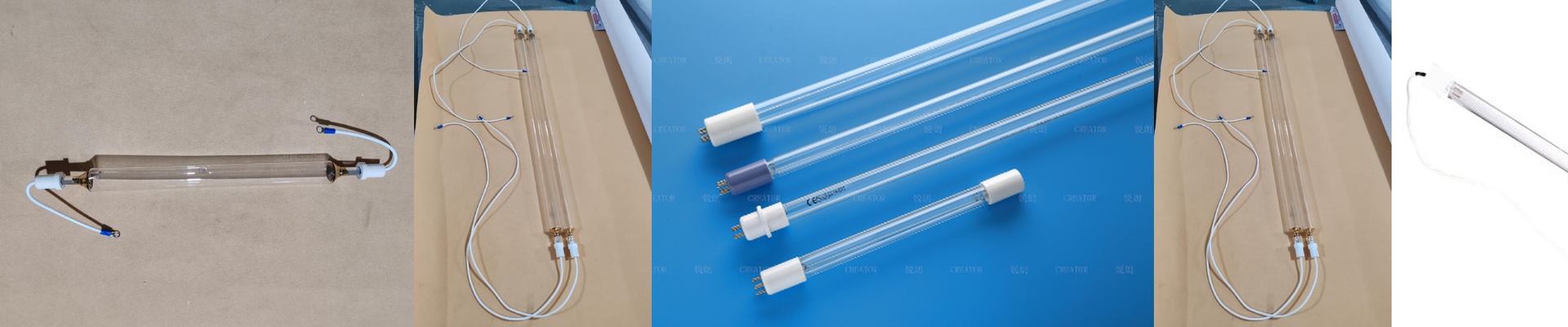
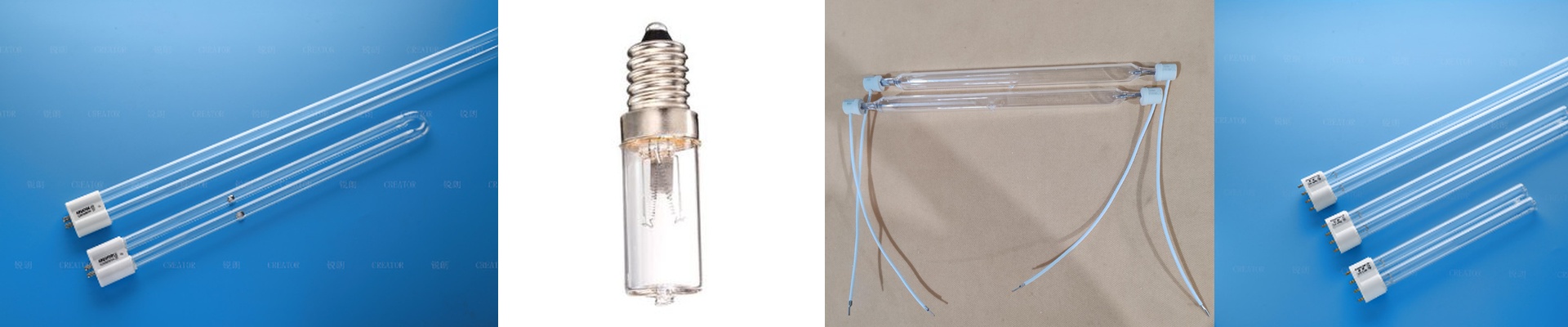
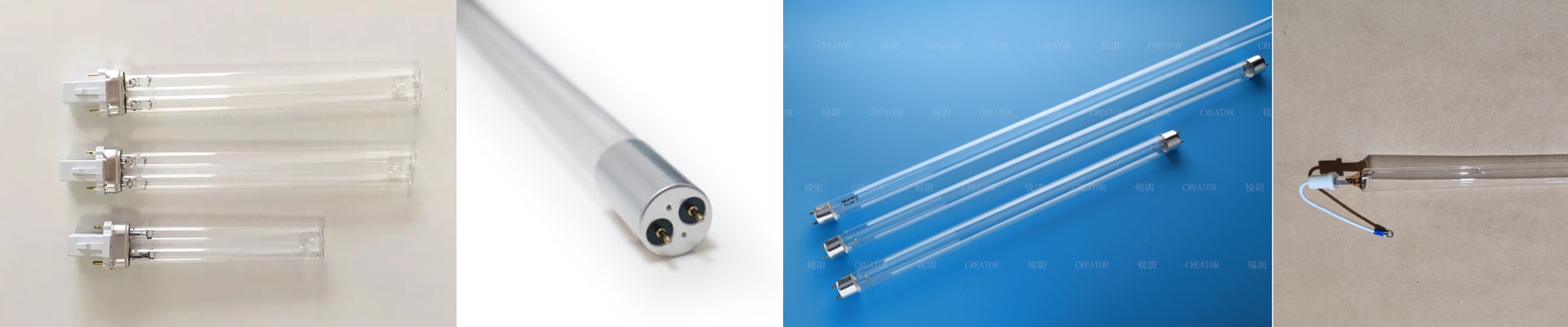
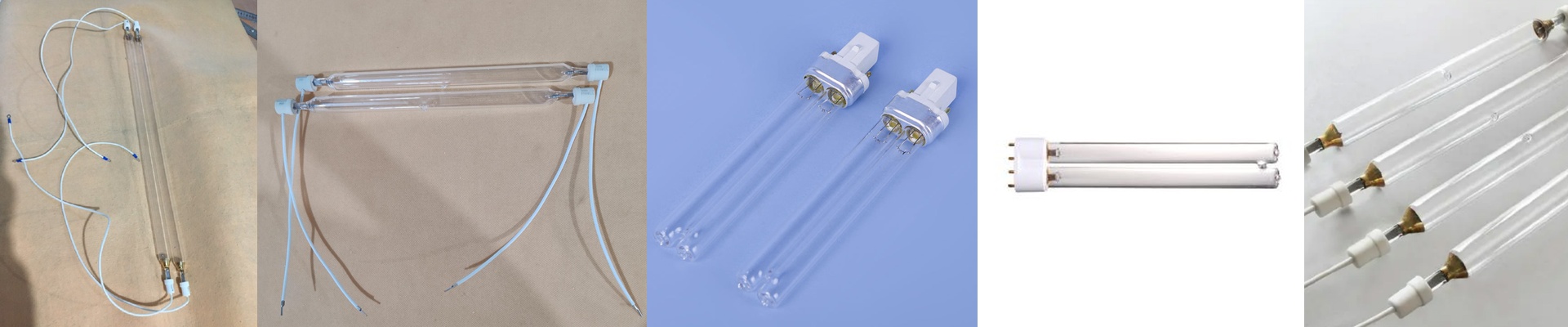
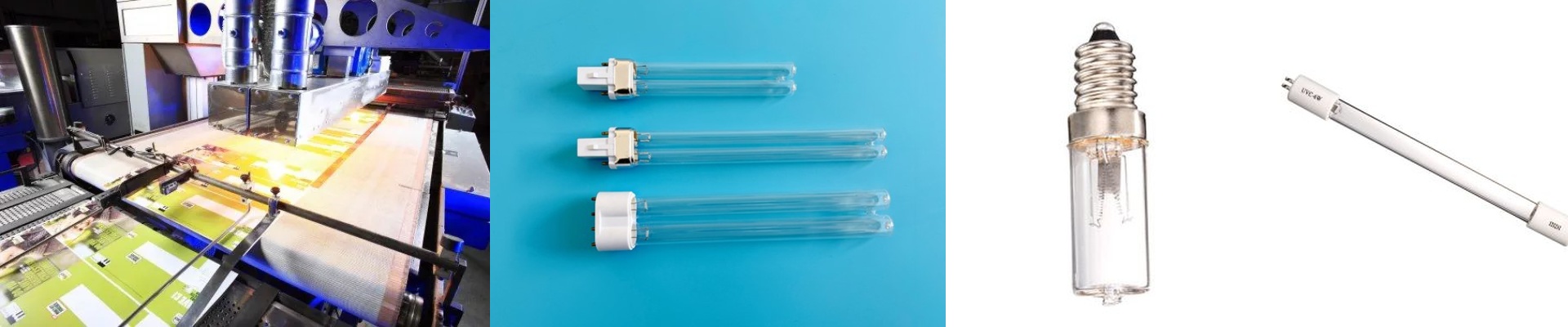
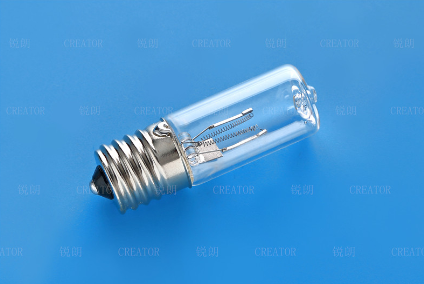
The good news is that most of these lamps are basically drop-in replacements. They use standard sockets and cooling jackets, so they slide right into your existing housings. We use quartz glass for the envelopes because it lets the UV radiation through without soaking up all that energy as heat. But there’s a catch. High-wattage lamps gethot. Like, really hot. If your ventilation or water-cooling isn’t up to the task, you’re going to warp your fabric or even burn the substrate. It’s a delicate balance.
Where it all fits in
UV comes into play at almost every step. Early on, it’s for sizing and coating. Later, it’s what cures your digital and screen prints. At the very end, you might use it to kill bacteria or get rid of those weird chemical smells from treated garments. The biggest tip? Stick to a replacement schedule. If one lamp in a bank dies, your cure becomes uneven. Now you’re looking at ten thousand garments with peeling prints or patchy colors. Not a great look.