Getting the Light Just Right: A Look at Gallium Iodide Lamps
Most infrared heaters just blast heat. But when you’re trying to trigger a specific photochemical reaction or nail a precise spectroscopic measurement, “close enough” doesn’t cut it. You need a very specific, narrow band of light. That’s where our gallium iodide lamps come in. We build these for the moments when standard halogen or metal halide lamps simply can’t hit the mark.
The Magic Under the Hood
It all comes down to how gallium atoms behave inside an iodide medium. When we get the chemistry right, the lamp puts out intense radiation in the UV and visible spectrums. But here’s the tricky part: we have to obsess over the gas pressure and current density. If the current runs too high, the emission peak starts to broaden. In your world, that “blur” ruins your measurements. To stop that from happening, we spend a lot of time calibrating the internal pressure to keep that light line razor-thin.
Built to Last (And Not Break)
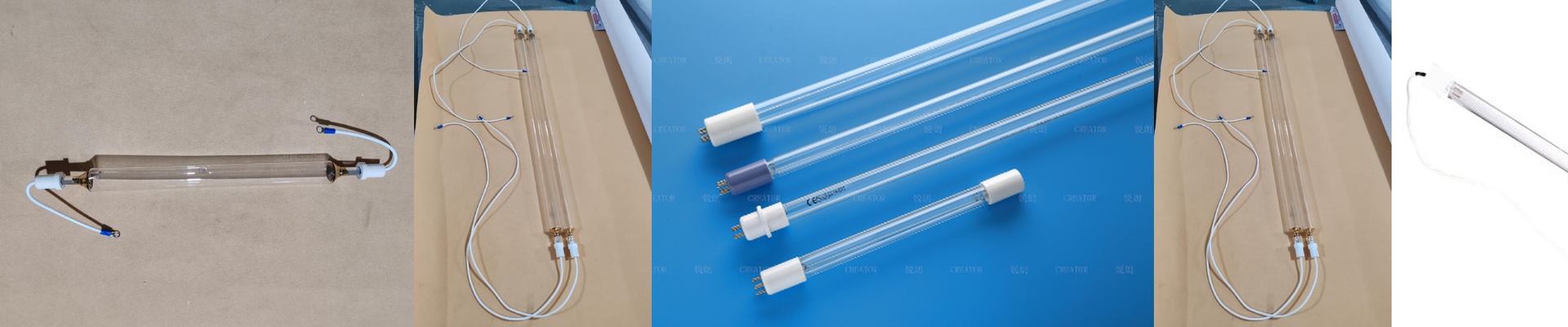
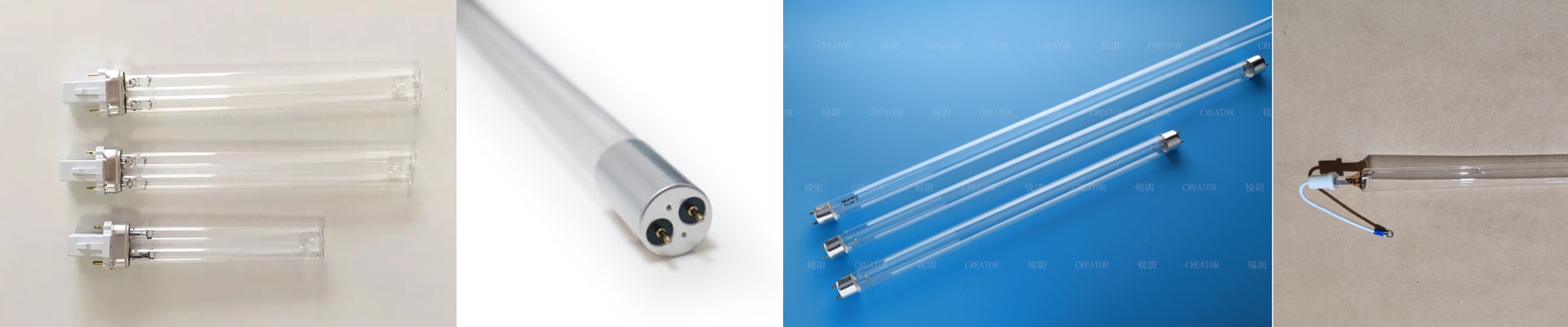
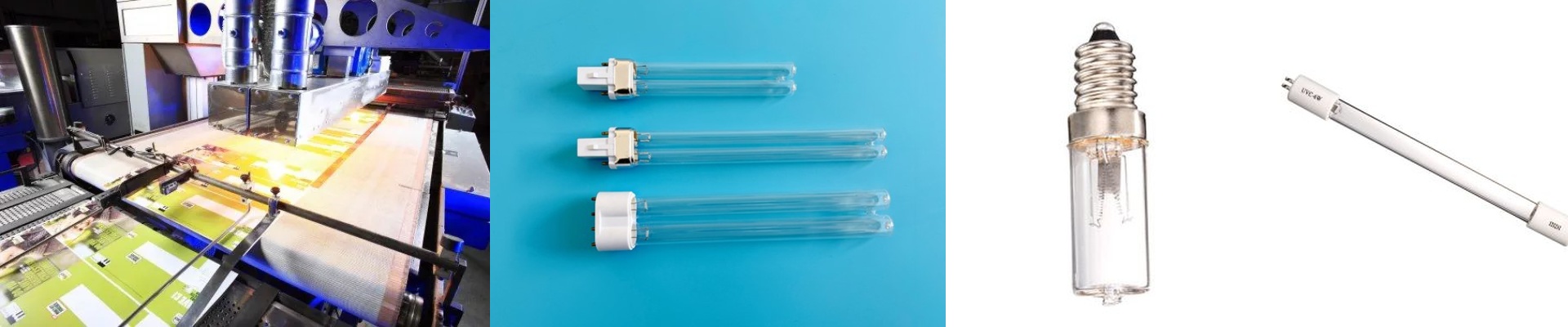
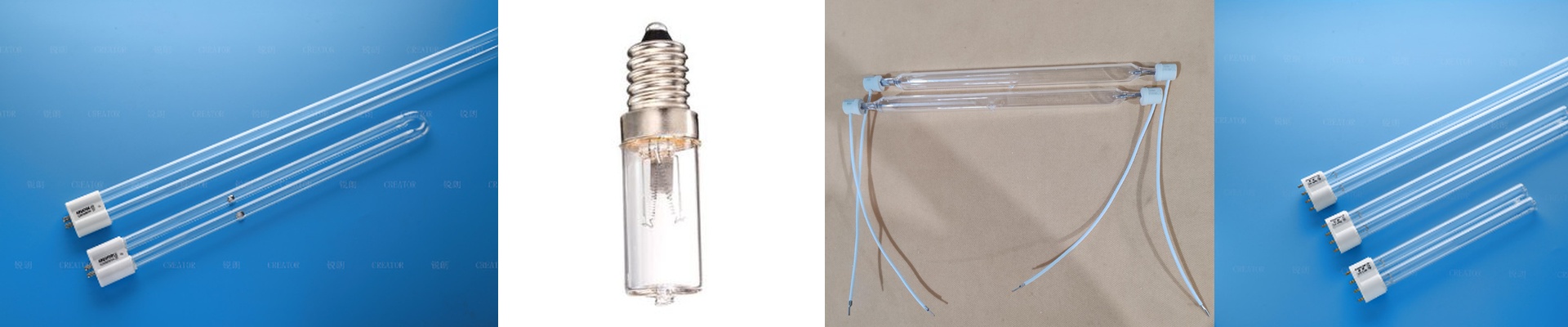
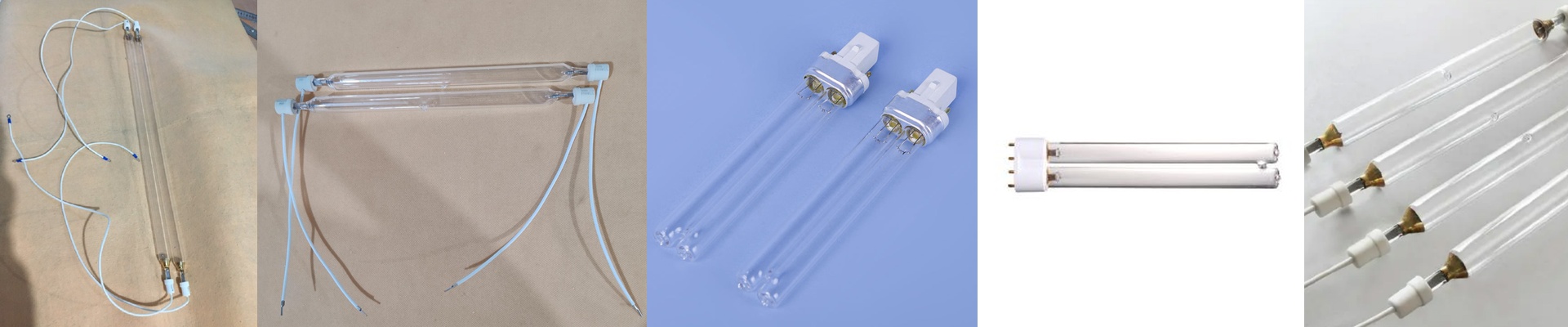
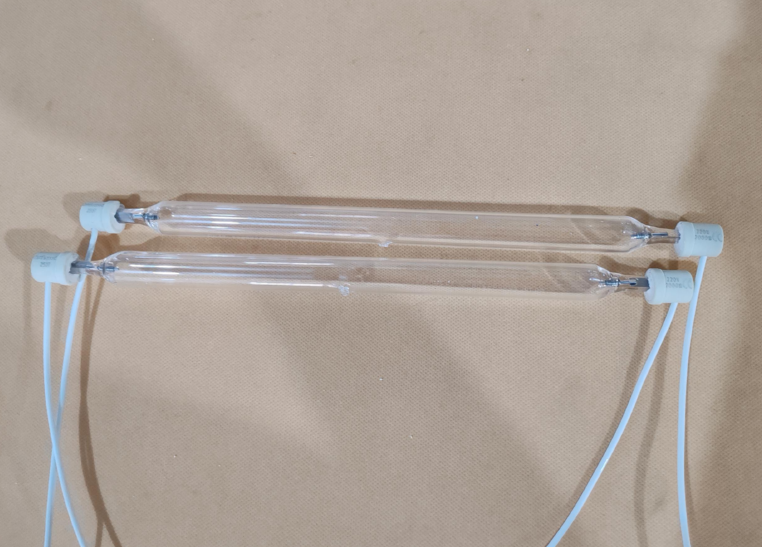
The glass envelope has a tough job. It’s under high pressure and dealing with some serious heat. We use high-purity fused silica because regular glass would just soak up the UV light before it ever left the lamp. We also put a lot of thought into the electrodes. If they start to sputter, you get metal contamination inside the tube. Once that happens, your light output tanks. It’s a nightmare. And since we know you probably already have a housing set up, we can build these to fit your specific footprint. Whether it’s a weird length or a custom connector, we’ll make sure it’s a simple drop-in replacement.
The “Gotchas”
I’ll be honest with you: these aren’t “plug and play” like the bulbs in your living room. They’re sensitive. You need a rock-solid power supply. If your voltage jumps around even a little bit, the intensity of the light shifts, and your data starts to drift. It’s frustrating, but a stabilized power source fixes it. Then there’s the heat. These lamps pack a lot of energy into a tiny space. If your cooling manifold isn’t up to the task, the quartz can crack during rapid thermal cycles. Just make sure your cooling is dialed in, and you’ll be good to go.