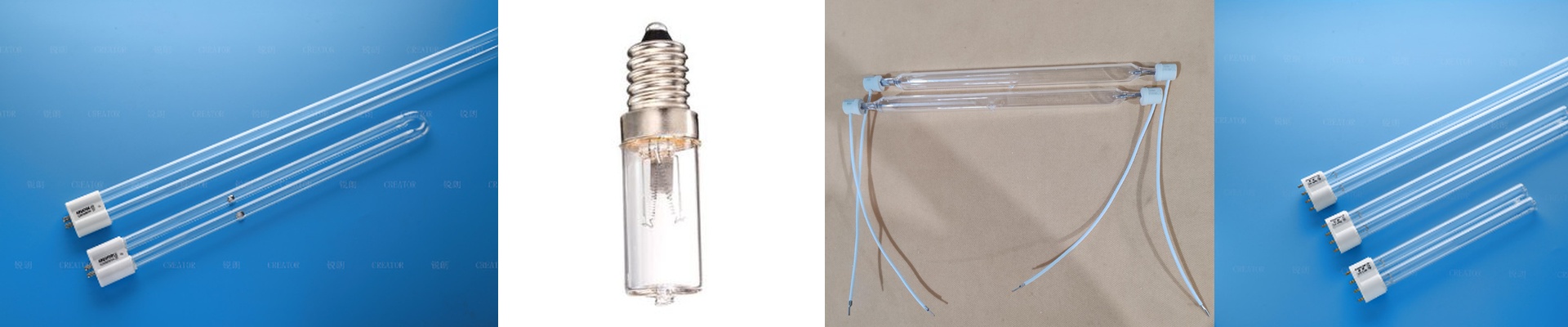
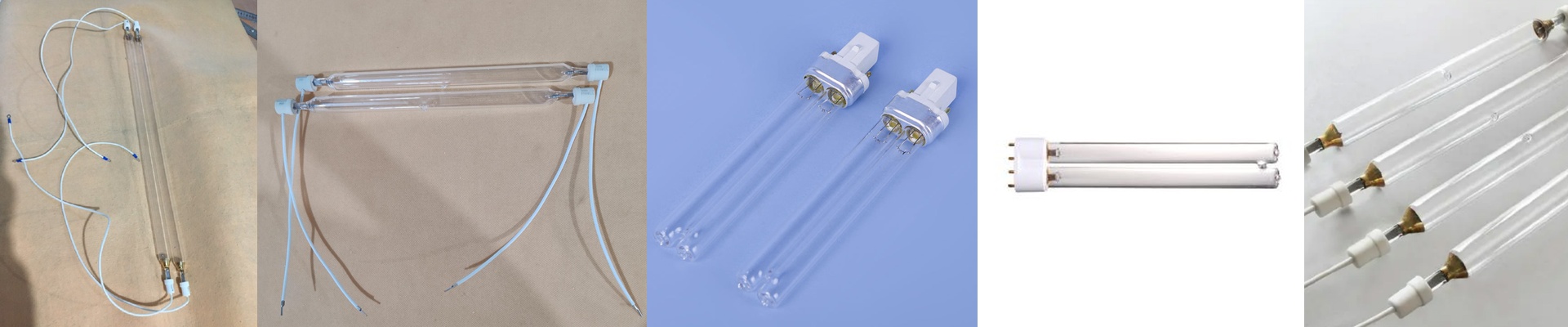
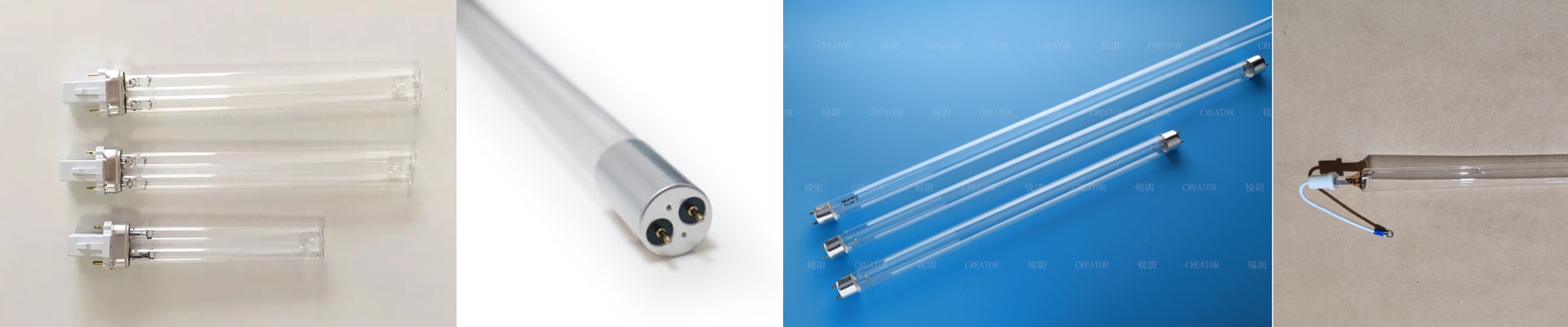
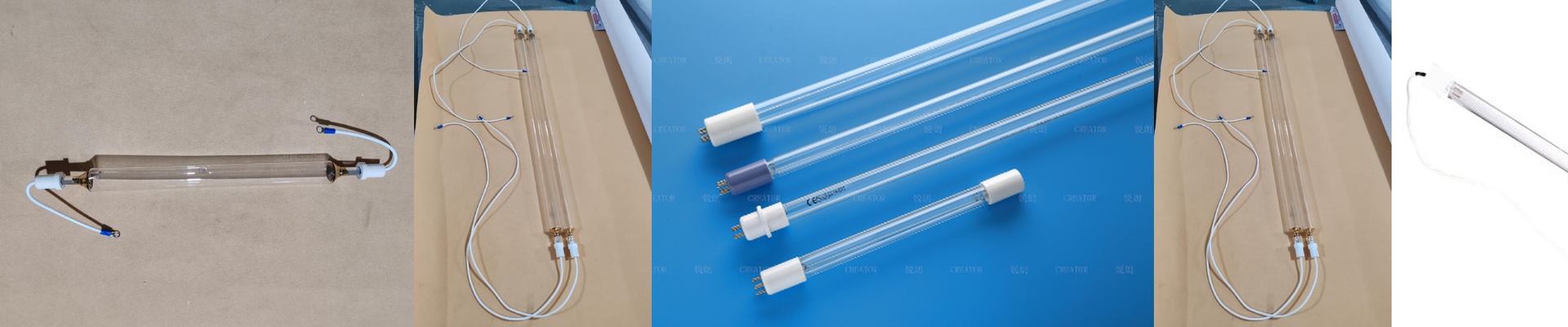
Why we obsessed over a 0.5% spectral window
Most UV lamp makers are fine with a bit of “drift” in their spectral output. They figure a little variance doesn’t hurt. We don’t see it that way. Our R&D team spent a long time fighting to get our energy concentration down to a 0.5% tolerance. This isn’t some marketing gimmick. It’s just basic physics. If the photons aren’t hitting the photoinitiators exactly where they need to, the chemistry simply doesn’t happen.
Getting the physics right
Hitting that 0.5% mark meant we had to tear everything apart and start over—specifically the gas fill and the quartz. Mercury vapor lamps live and die by their emission lines (mostly 254nm and 365nm). But if the pressure inside the tube slips, or if the quartz is low-grade, that peak shifts. To stop this, we switched to high-purity synthetic quartz. It stops “solarization”—that annoying clouding effect that slowly kills your UV output over time. We also spent a lot of time on arc stability. If the plasma wanders, you get hot spots and dead zones along the lamp. We used beefier electrodes that can take the heat without pitting, which keeps the light flat and consistent from one end to the other.
The catch (because there’s always one)
Here’s the honest part: precision comes with a price. In this case, it’s heat. To keep that mercury vapor stable and the beam tight, the lamps have to run hotter. It works great, but it puts a lot of stress on your hardware. If your cooling fans or water jackets aren’t up to the task, you’re going to burn out the ends of your lamps way too fast. Just make sure your cooling is locked in before you flip the switch.
What this actually does for your floor
If you’re running PET blowing or high-speed coating lines, you know the nightmare of a 5% spectral shift. Suddenly, the resin isn’t curing. You end up with tacky surfaces or “under-cure” that brings the whole line to a screeching halt. By locking in that 0.5% window, we basically take the guesswork out of your day. You set your line speed and just… trust it. Every inch of the substrate gets the exact dose it needs. No more fiddling with conveyor speeds or praying the lamps don’t drift mid-shift. It just works.