Dealing with Electrical Noise in UV Curing and Sterilization
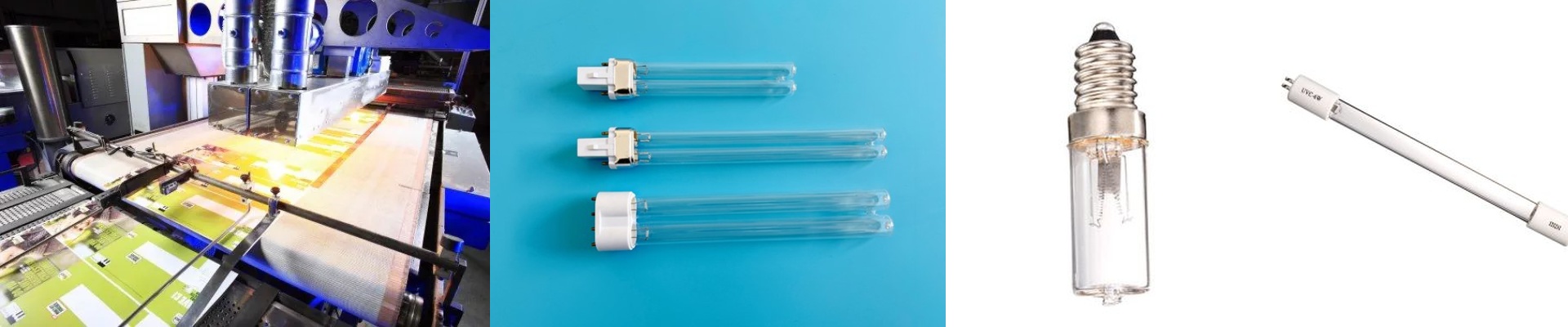
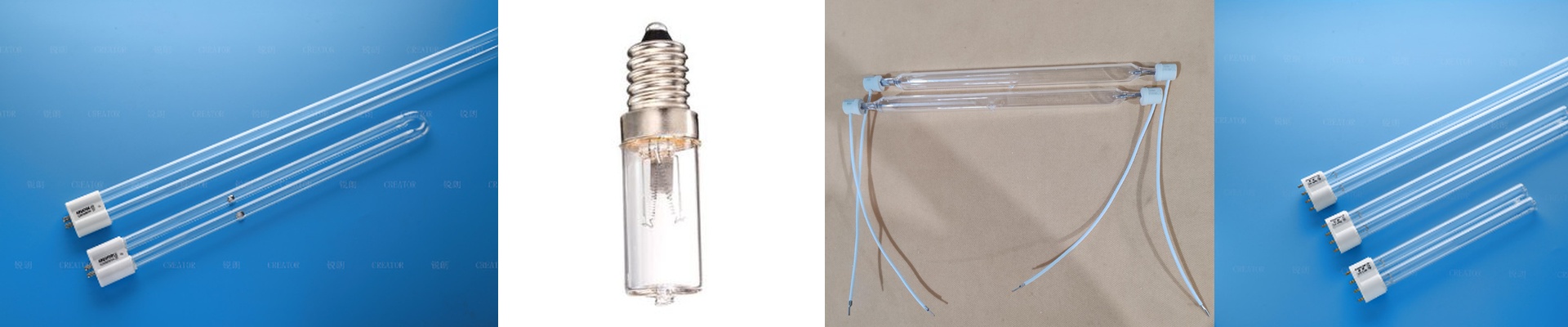
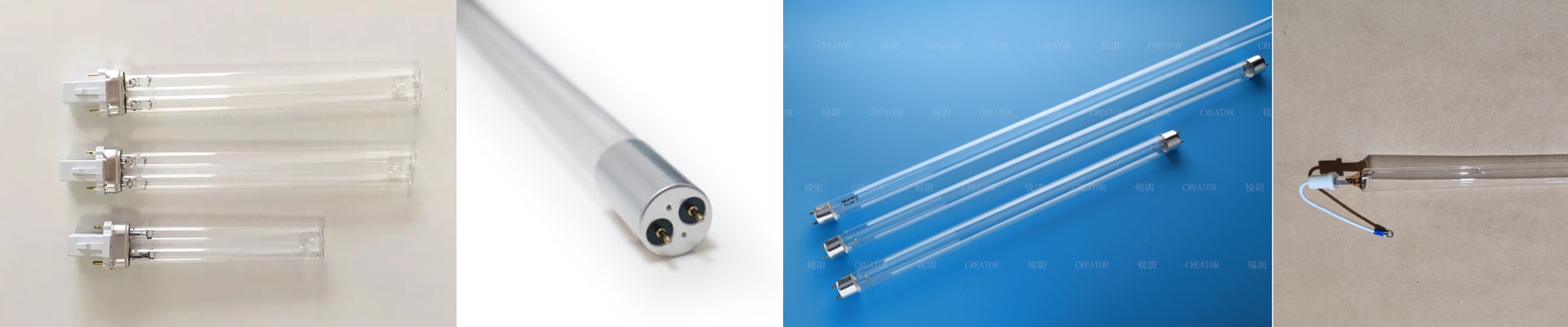
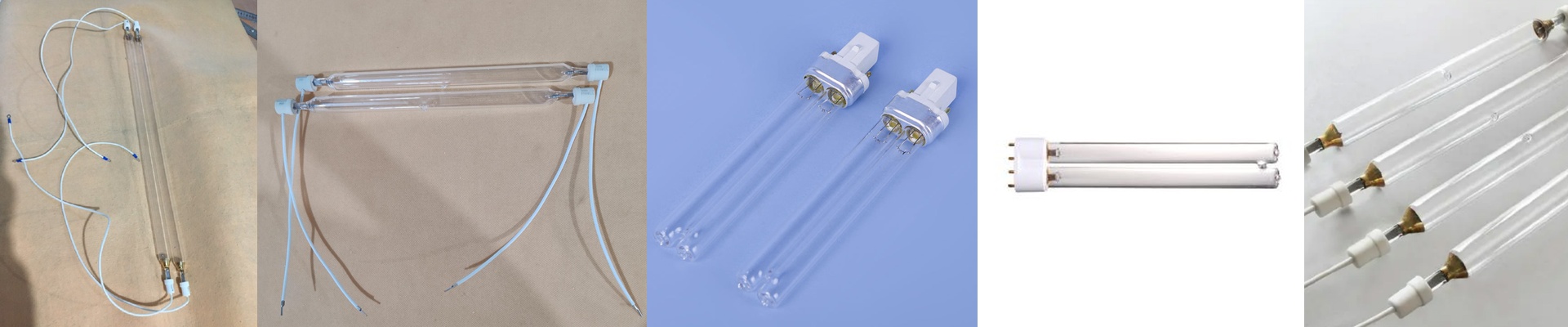
If you’ve got a few big printing presses running in one building, you know exactly how chaotic the electrical environment gets. Those massive motors and high-frequency drives don’t just do their jobs—they kick a ton of “noise” back into your power grid. For most UV germicidal lamps, that’s a nightmare. You get flickering, or worse, your ballasts just give up the ghost way too early. We got tired of seeing that happen, so we built our energy-saving UV lamps specifically to handle that kind of electrical mess. Keeping things steady Most lamps trip up when they’re sitting next to heavy machinery because their internals just can’t filter out the spikes. We took a different approach. We focused on the arc stability, tweaked the ballast impedance, and beefed up the shielding around the ignition parts. The result? Your UV-C output stays rock solid. You won’t see your lights dip just because the press next door kicked into high gear. The energy-saving catch Here is the thing: usually, when you lower the wattage to save power, you lose some tolerance for voltage swings. It’s a trade-off. But we didn’t want you to have to choose between your electric bill and your equipment’s lifespan. We spec’d the internal components to handle wider swings. It means these lamps don’t just save you money—they actually stay lit in conditions that would fry a cheaper, off-the-shelf tube. Getting it right on the floor If you’re swapping these into an existing line, do me a favor and double-check your wiring. Our lamps can take a beating from EMI, but if your grounding is sloppy, you’re still going to see “ghosts” in your sensors. Make sure your shielding is tied to a clean earth ground. That’s the only way the anti-interference tech can actually do its job. We’ve had these units running 24/7 in heavy offset printing shops without those annoying “nuisance trips” that usually plague energy-saving UV gear. It just works.