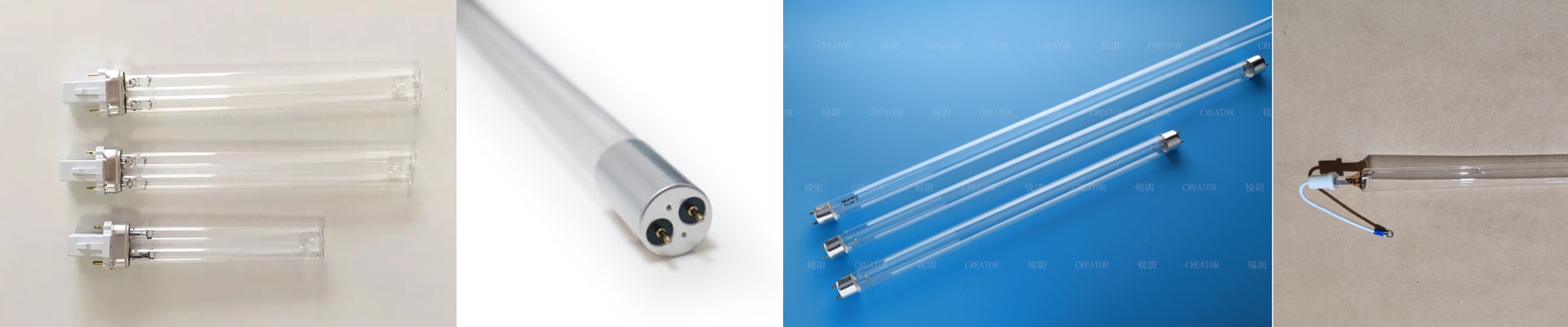
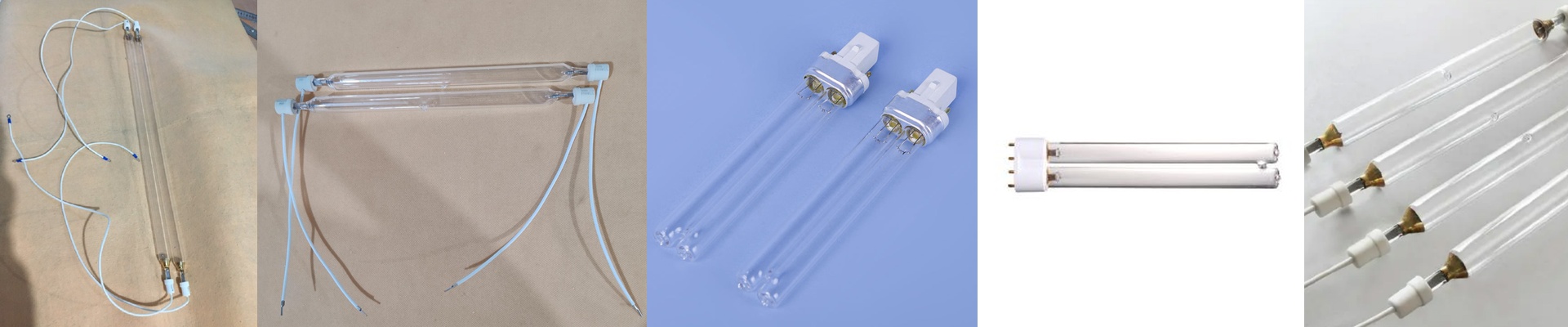
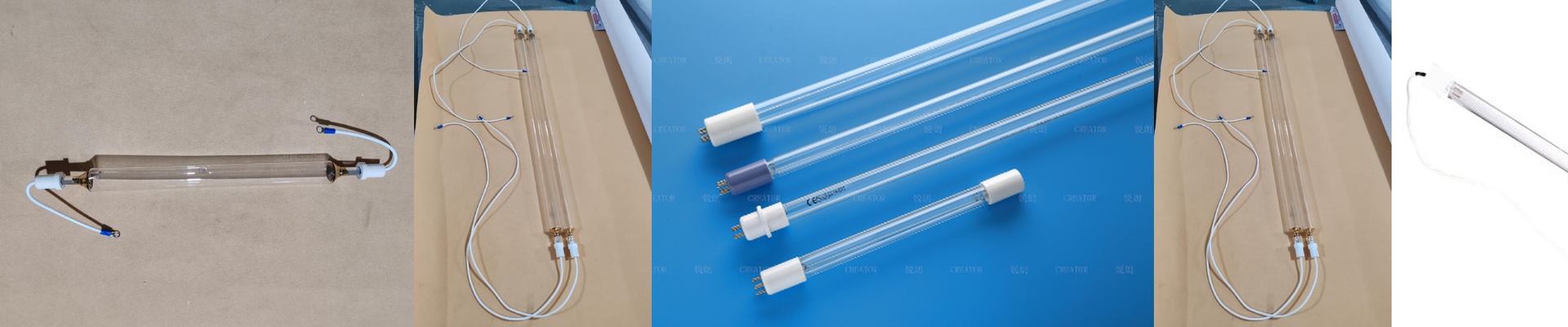
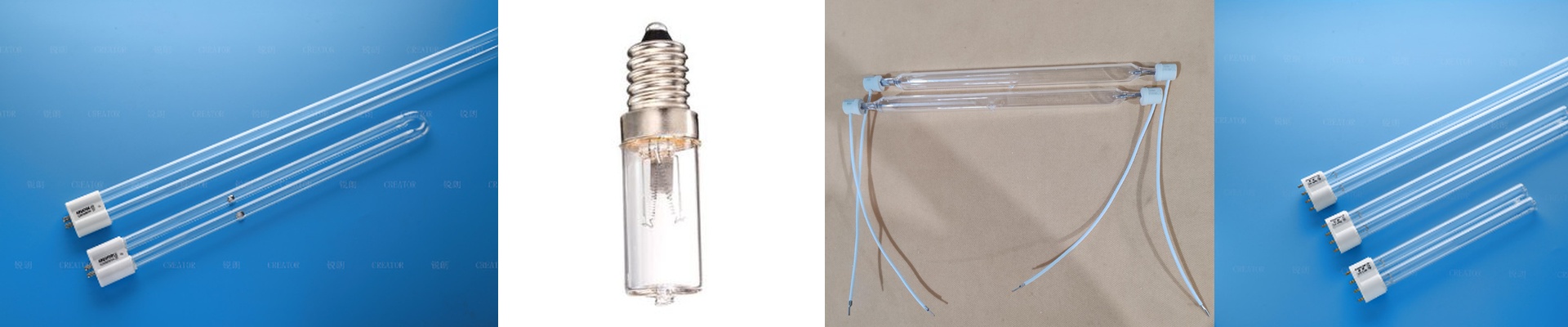
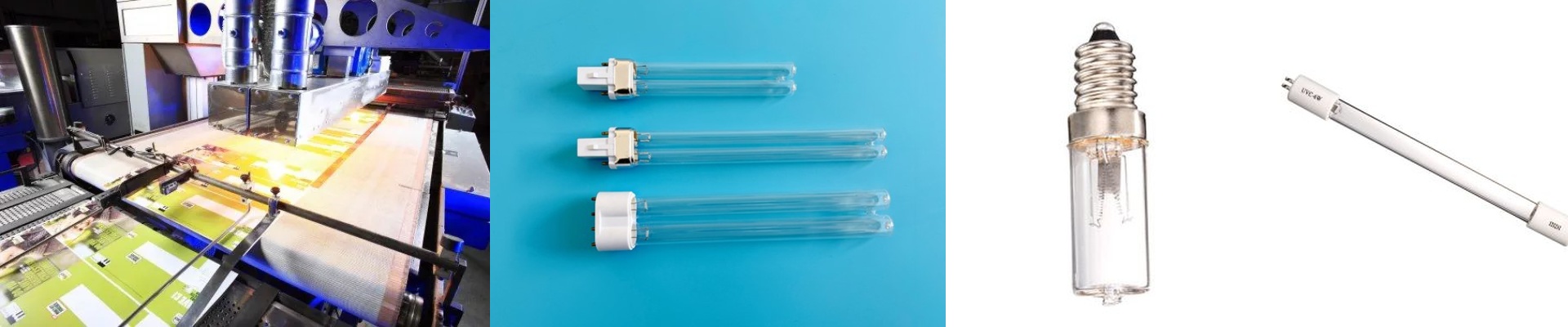
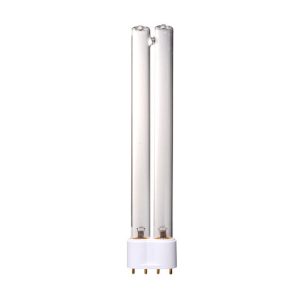
Let’s talk about the real cost of Quartz UV/IR Tubes
Most people just look at the price tag on a single unit. But if you’re buying in bulk, that’s a mistake. The real cost isn’t about the silica—it’s about the tiny details, like how thick the walls are and how pure the quartz actually is.
Why the quartz grade matters
Here is the thing: if you use low-grade quartz, it blocks the shortwave radiation. That means your curing line slows down, or you have to crank up the power to compensate. Either way, you end up burning out the filament way too fast. We stick to high-purity fused quartz because it lets the UV light through without a fight. Plus, we make sure the tubes can handle “thermal shock.” If you’re flipping these lamps on and off all day, you need a material that can expand and shrink without cracking. It’s the difference between a lamp that lasts and one that shatters on a Tuesday morning.
Power, heat, and the “hidden” stress
Wattage and voltage aren’t just random numbers on a spec sheet. When you cram high wattage into a small tube, you get intense heat. Sure, your curing happens faster, but you’re putting a massive amount of stress on your sockets and wiring. That’s why we offer different connector options. A loose fit is a nightmare—it leads to arcing and your lamp dies prematurely.
Cutting out the noise
We handle everything ourselves, from the raw tubing to the final seal. By skipping the middle-man distributors, we get rid of those annoying B2B markups. You’re dealing with the factory directly. Simple as that.
The trade-off you need to know
High-output UV lamps create a lot of heat and ozone. If you push the wattage to speed up your cycle times, you’ve got to make sure your ventilation can actually keep up. If the air isn’t moving and the housing stays too hot, the lamp’s lifespan will tank—no matter how great the quartz is. We’ll provide the hardware, but you’ve got to make sure your setup can handle the heat.