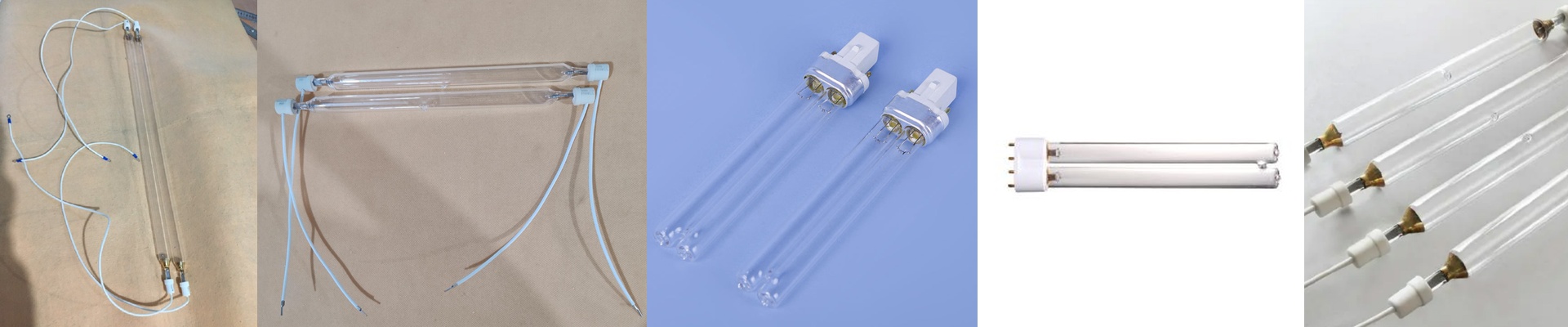
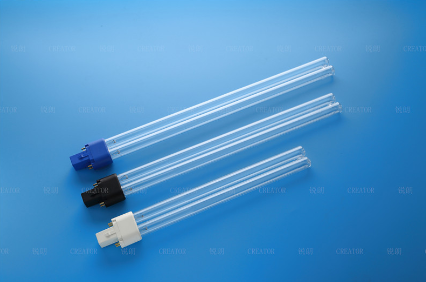
Getting More Life Out of Your Mercury UV Curing Tubes
Here is the basic deal: mercury UV tubes work by pushing an electric arc through mercury vapor to create short-wave UV radiation. That’s what makes your liquid inks snap into solid films in a matter of seconds. If you’re running a small or medium shop, you’re probably playing a constant balancing act. You want a steady output, but you don’t want to spend your entire profit margin on replacement bulbs.
Why do these things actually burn out?
Most UV lamps die early because the electrodes wear down or the quartz glass gets “solarized”—which is just a fancy way of saying the glass gets cloudy. To stop that, we use high-purity fused quartz. It keeps the glass clear. We also tweak the mercury pressure and the electrode alloys so you can get more hours of use before the UV intensity dips and your ink stops curing. But here is the catch:watch your ballast settings. It’s tempting to overdrive the tube to speed up your cure time. Don’t. It’s a straight trade-off. Higher wattage means more throughput, sure, but it eats your electrodes alive.
Making it work with your gear
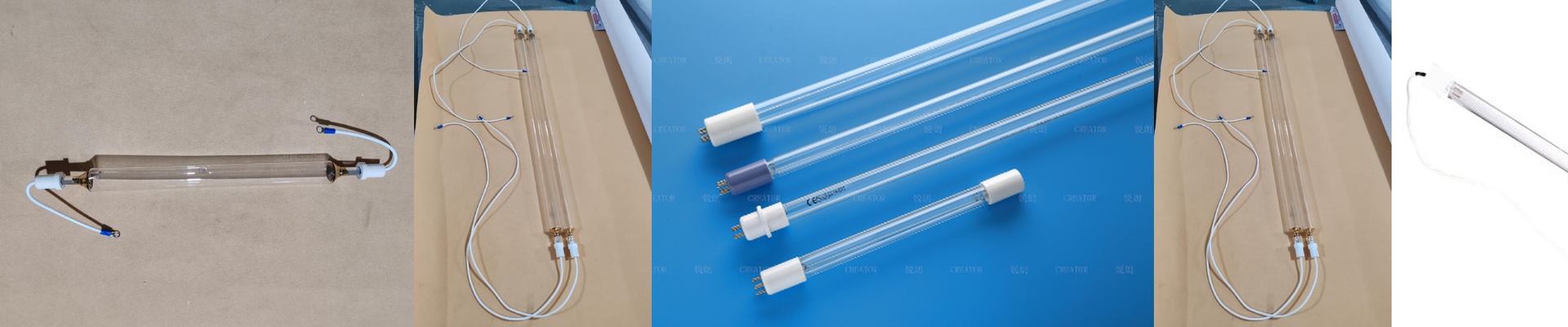
We build these as drop-in replacements, so they should slide right into most custom rigs. We obsess over the end-cap tolerances because a loose fit at the socket is a nightmare. It causes arcing, which chars your wiring and kills the tube. Not a great way to spend a Tuesday. Also, remember that these lamps throw off a ton of infrared heat. If your cooling isn’t up to the task, the quartz can actually soften or your ink might start bubbling. Stick with a forced-air cooling setup. It keeps the surface temp where it needs to be and saves you a headache.
Real-world printing
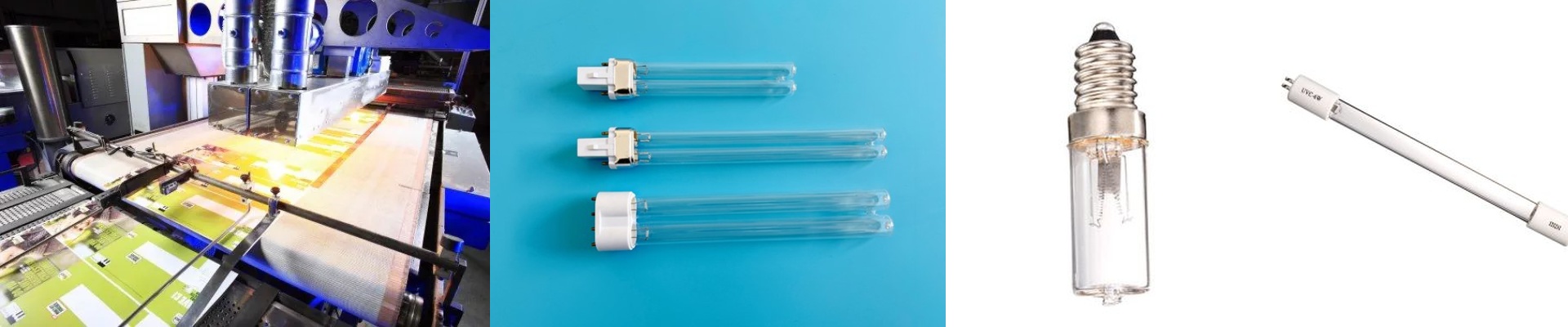
Small shops usually deal with a million different job sizes. That’s why we offer custom lengths. You can match the lamp exactly to your conveyor width, which gets rid of those annoying “dead zones” where the ink stays tacky. Plus, we keep the spectral output stable. That means when you swap out a bulb, you don’t have to spend an hour recalibrating your line speed. You just plug it in and get back to work.