Getting Your UV Output Right for High-Speed Lines
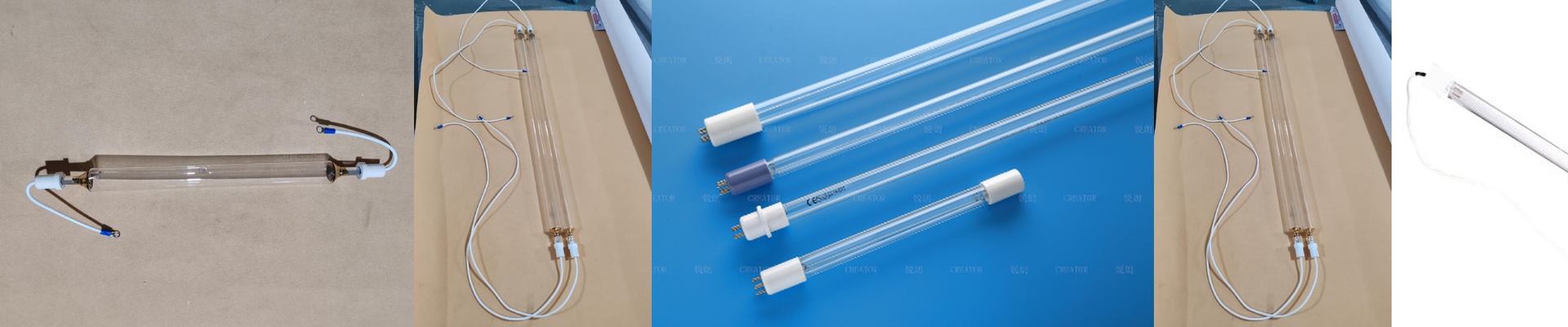
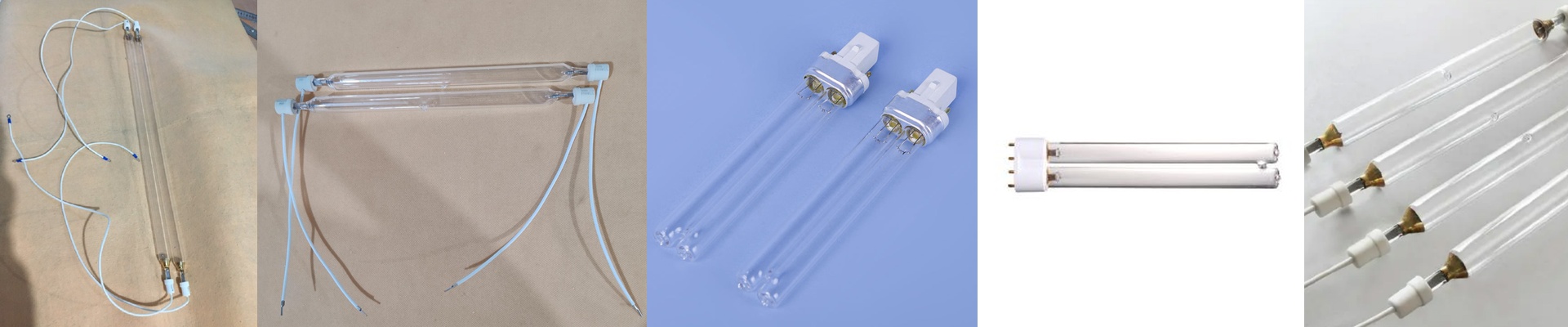
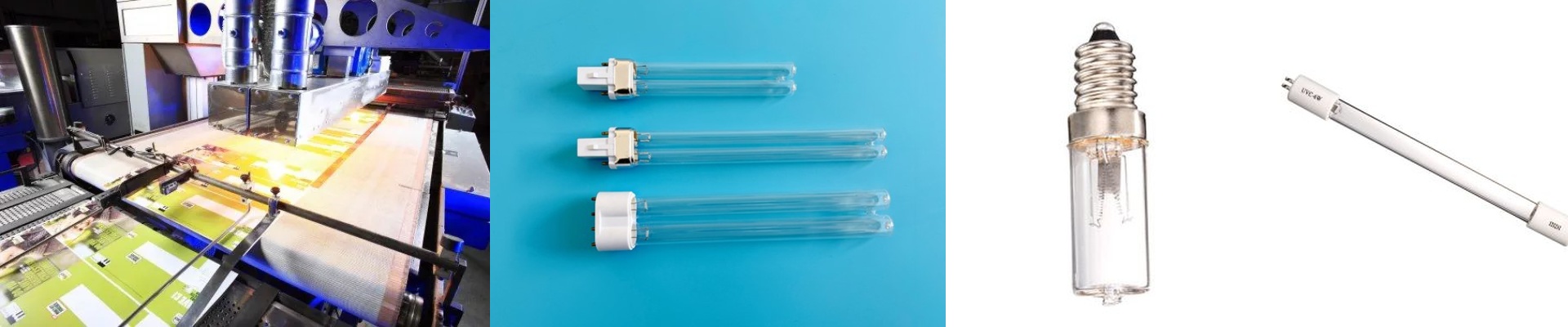
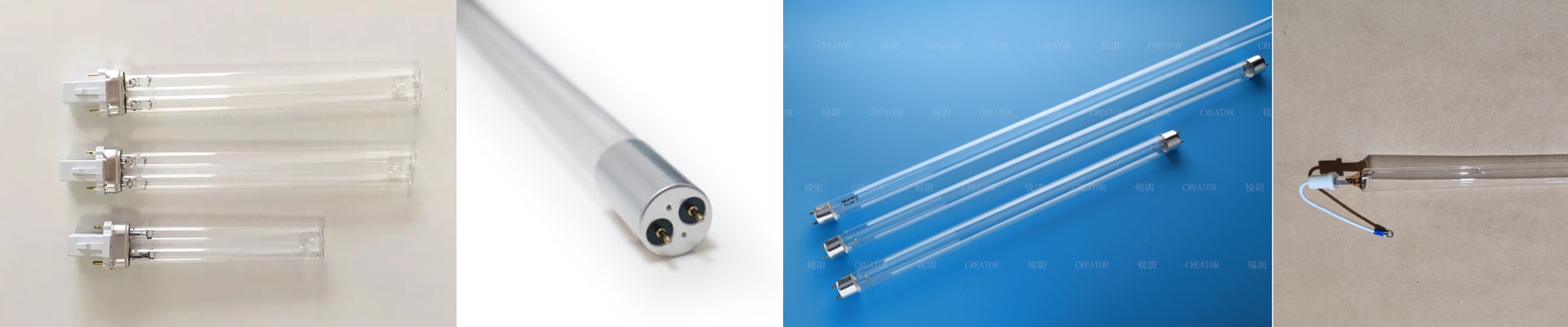
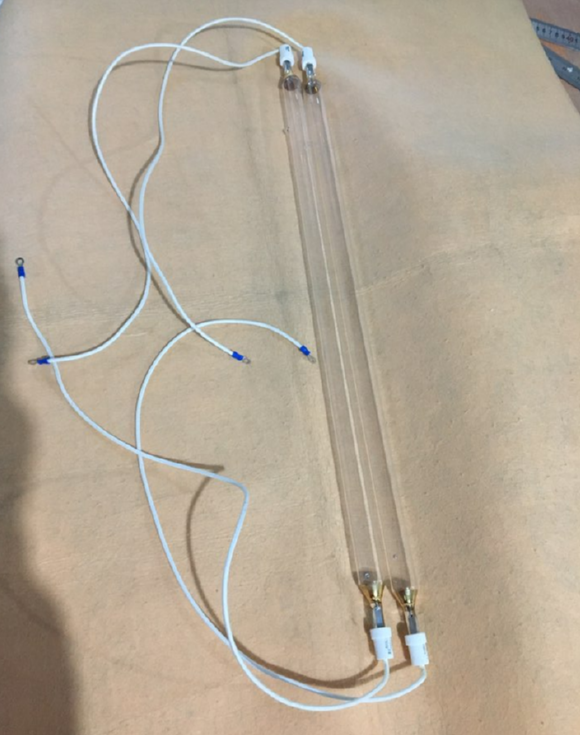
When we built our custom UV lamp modules, we weren’t thinking about brochures or fancy sales pitches. We were thinking about the grit of the shop floor—specifically, how to cure ink and sterilize surfaces without everything slowing to a crawl. When we showed these off at the 2026 Printing Exhibition, we skipped the marketing fluff and talked straight about photon density and heat. Because that’s what actually matters when you’re running a business. The battle with power and precision Depending on what you’re trying to do, we use either high-pressure mercury vapor or LED arrays. If you’re curing, we aim for that 365nm to 395nm sweet spot. Why? Because you need that light to punch deep into thick ink layers. Here’s the thing: if your conveyor is screaming along at 50 meters per minute, you can’t afford to guess on your irradiance levels. You need enough punch to trigger full polymerization before the substrate even leaves the chamber. If you don’t, you’re just printing wet ink. Fighting the heat High-output UV lamps get hot. Like, really hot. If a lamp overheats, the UV output just drops off a cliff. It’s a pain in the neck called thermal quenching. To stop that from happening, we use anodized aluminum heat sinks and forced-air cooling to keep things chill. But a word of advice: check your facility’s exhaust. If your vents can’t pull that heat away from the machine, you’re going to end up warping your substrates. And nobody wants that. Making it easy to fix We’ve all been there—a lamp burns out in the middle of a rush, and suddenly you’re hunting for a proprietary wrench that only one guy in the building owns. We hate that. So, we used standardized connectors and modular rails. It’s a simple drop-in replacement. You swap a burnt-out module in a few minutes and get back to work. Plus, we noticed that older presses often have messy voltage. That’s a fast track to killing your lamps. We fixed this by building stabilized power supplies right into the module. It protects the filament and keeps the UV intensity steady across the whole web. If your power grid spikes, the module takes the hit—not your expensive lamp.