Why Most UV Systems Fail on the Shop Floor (And How to Fix It)
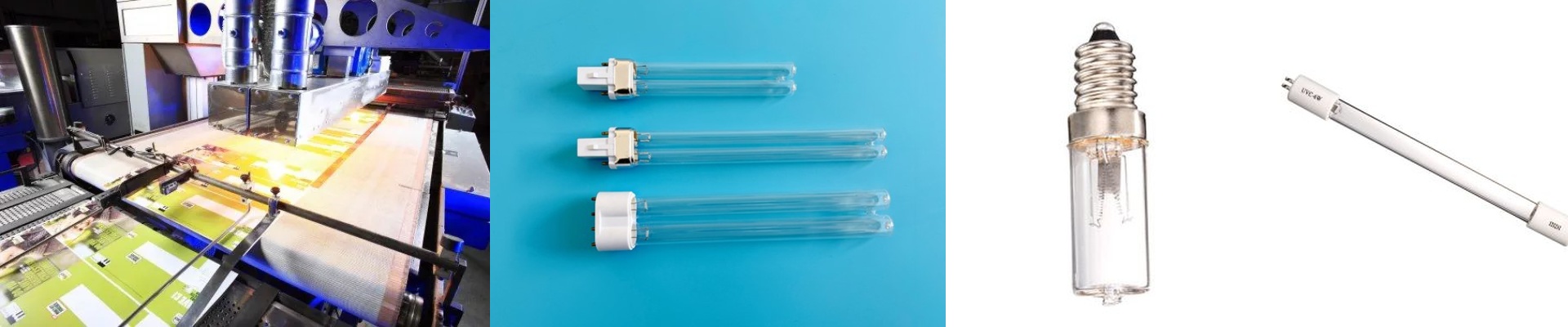
We’ve spent time in about 3,000 different printing plants. A lot. And after seeing that many setups, a pattern emerges. Most standard UV systems just aren’t built for the reality of a working shop floor. They waste a ton of energy, they overheat, or they’re just hitting the wrong wavelengths. If you want a line that actually works, you have to stop thinking about “raw power” and start thinking about how that power handles heat.
The Power Density Problem
Here’s the thing: to get your sterilization or curing speed where it needs to be, you need a specific amount of energy hitting the surface. But there’s a trap. A lot of people try to cram too much wattage into a short tube. That’s a recipe for disaster. You end up with “hot spots” that kill your lamps way too early. We do it differently. We spread the energy out evenly across the whole width of the web. Why? Because nobody wants “striping”—that annoying situation where one part of your product is scorched and the other part isn’t even cured. It just saves you the headache.
Dealing with the Heat
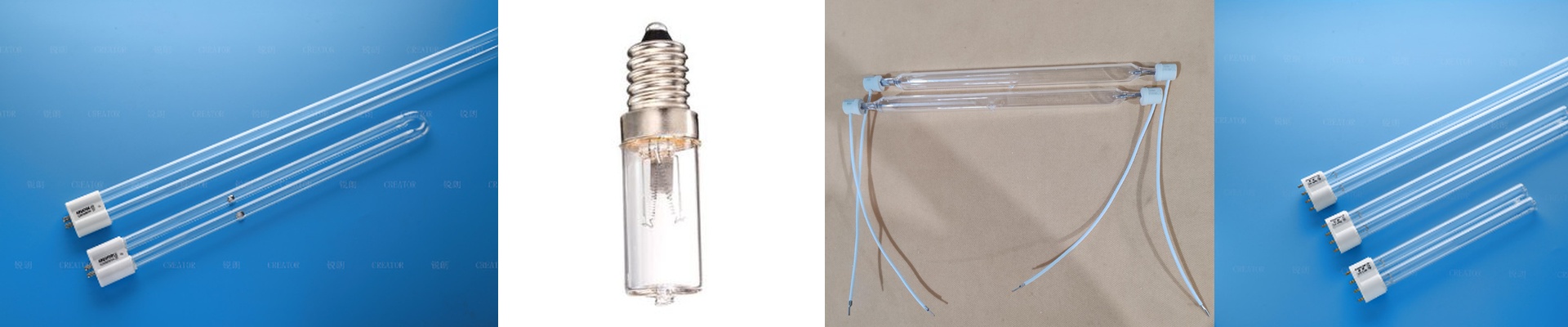
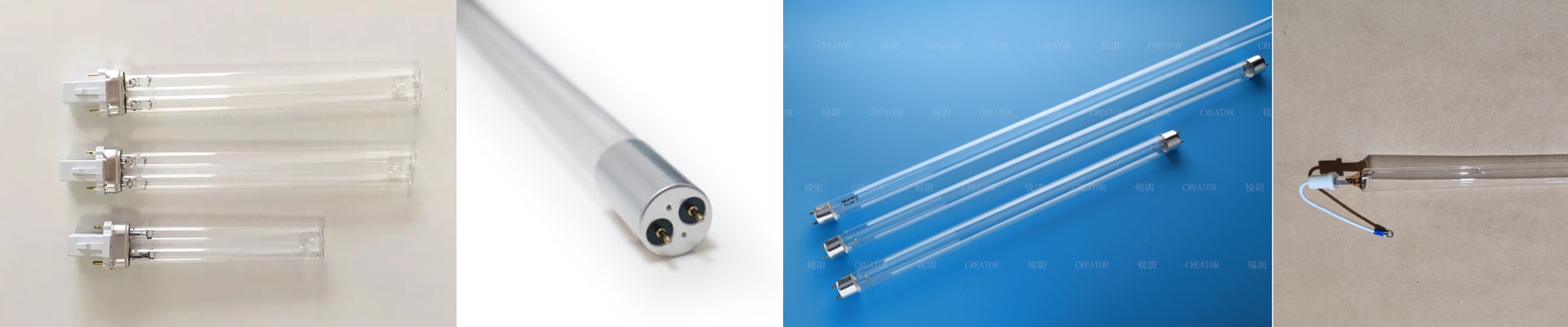
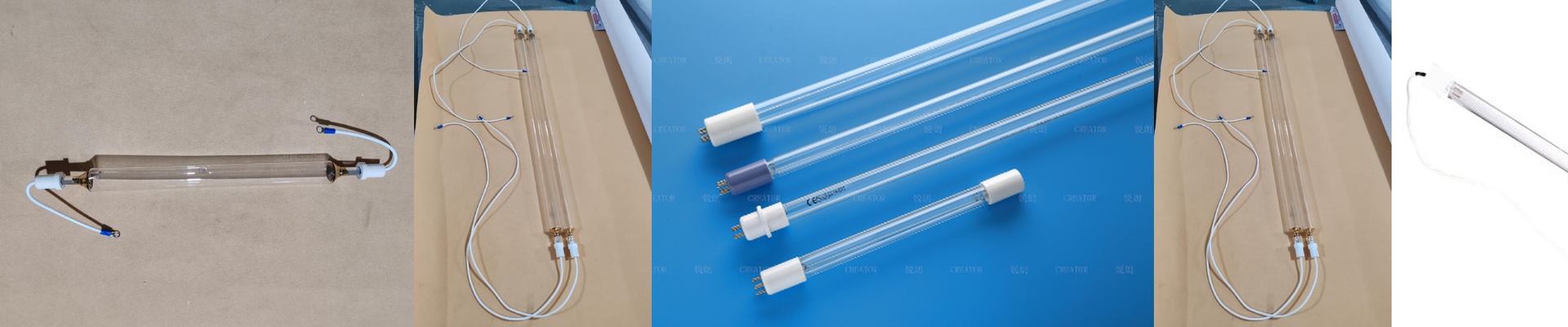
UV lamps get hot. Really hot. We use high-purity quartz glass because it lets the UV light through while handling the thermal shock without cracking. But the real killer? Airflow. If your air is restricted, the lamp starts choking. It drops out of its sweet spot, your UV output tanks, and you’re suddenly burning through ballasts because the housing can’t breathe. You have to build for the actual heat load, or you’re just paying to replace parts every few months.
Making it Easy to Maintain
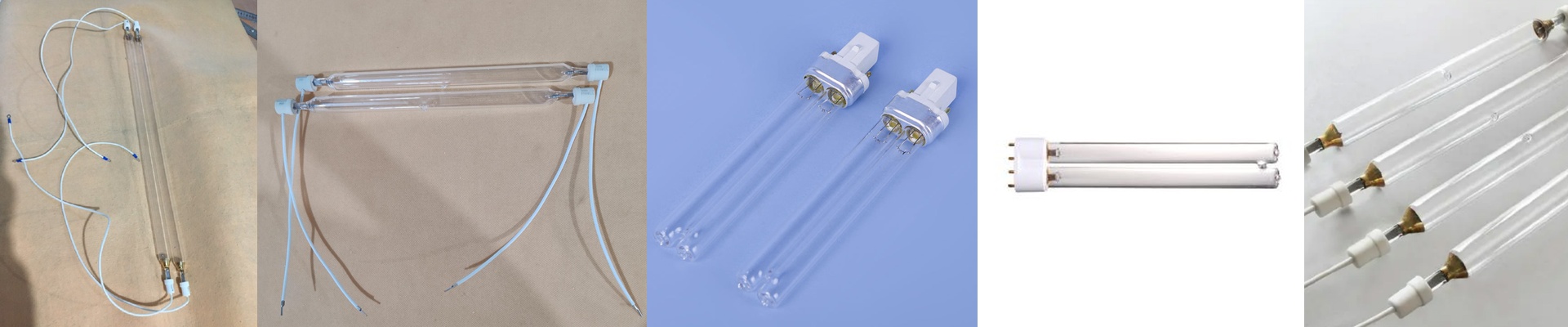
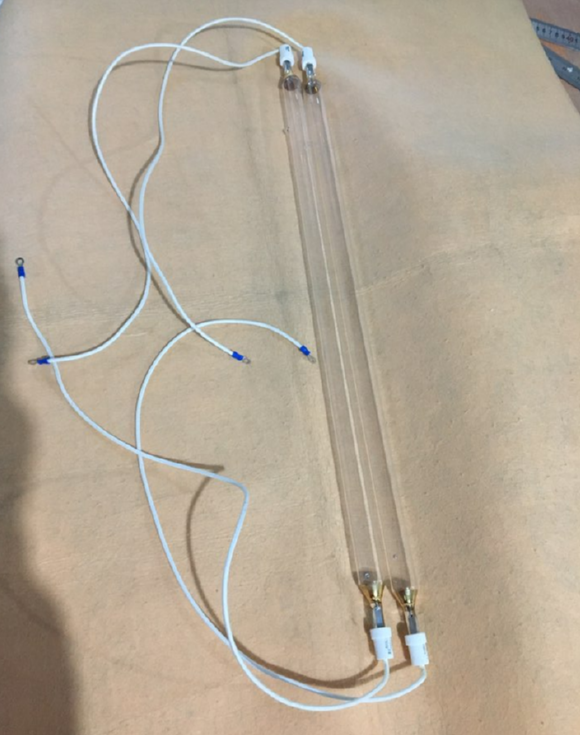
Nobody likes downtime. It’s the worst part of the job. That’s why we make these systems “drop-in.” We use standard connectors and mounts so your team can swap a lamp in a few minutes. No rewiring the whole rack, no swearing at the manual—just plug and play. But there is a catch. If you want that high-end energy efficiency, you need precise electronic ballasts. These things are great, but they’re sensitive. If your factory power is jumpy or prone to spikes, those circuits will fry. It sounds simple, but a line conditioner is a lifesaver here. Without clean power, even the best lamp design in the world is basically a paperweight.