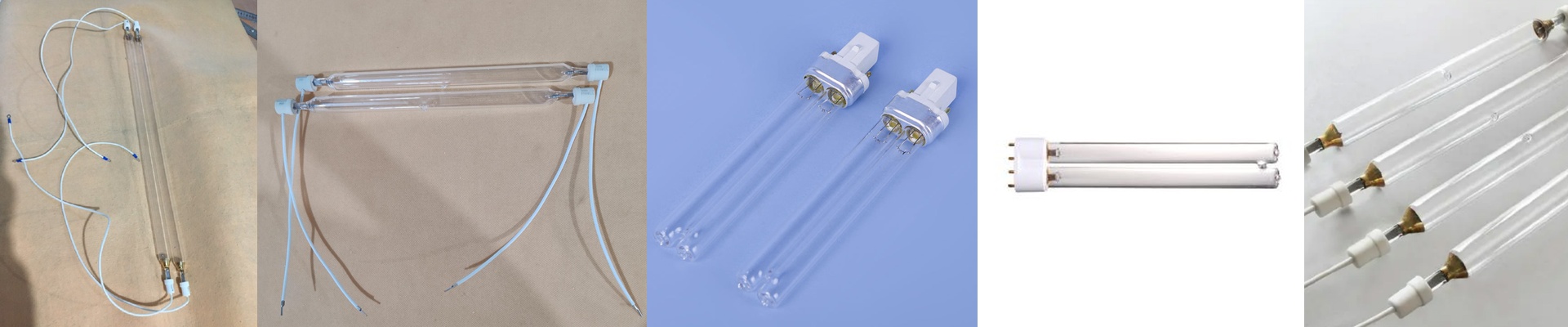
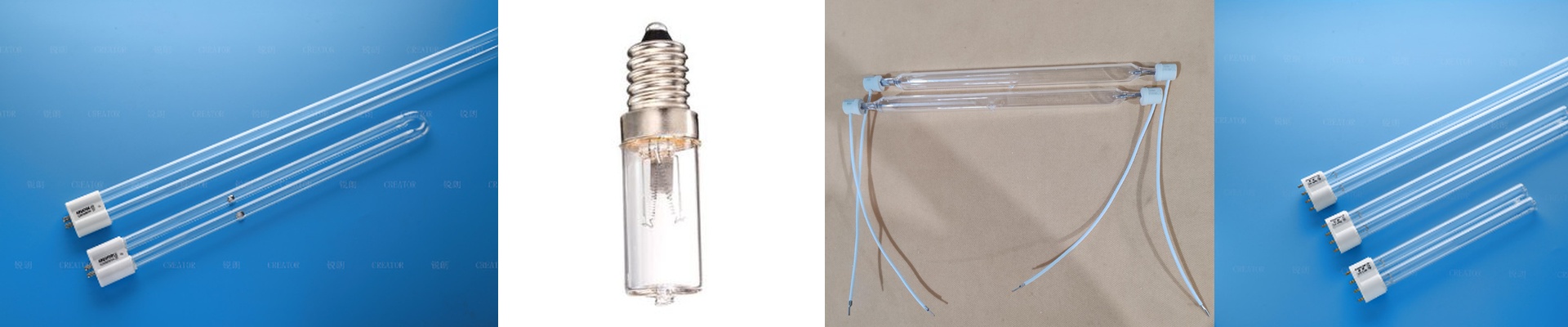
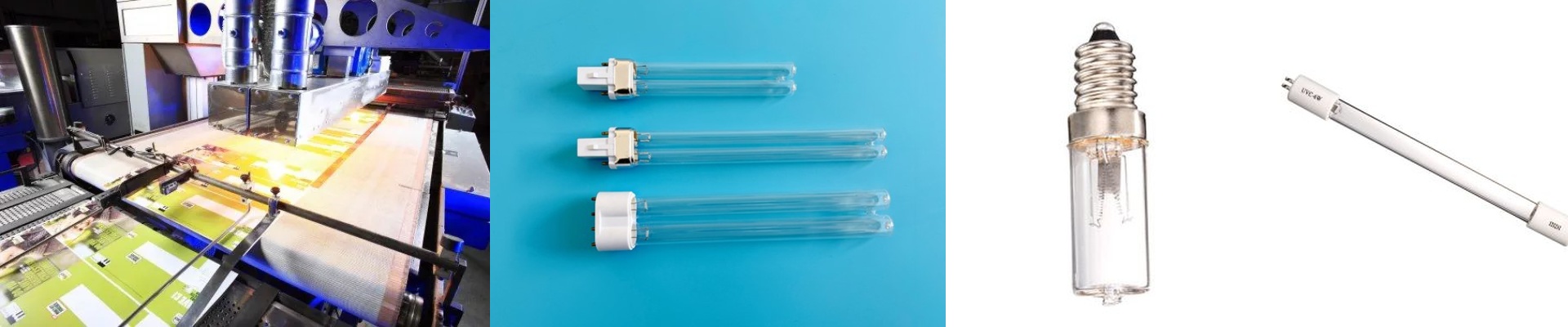
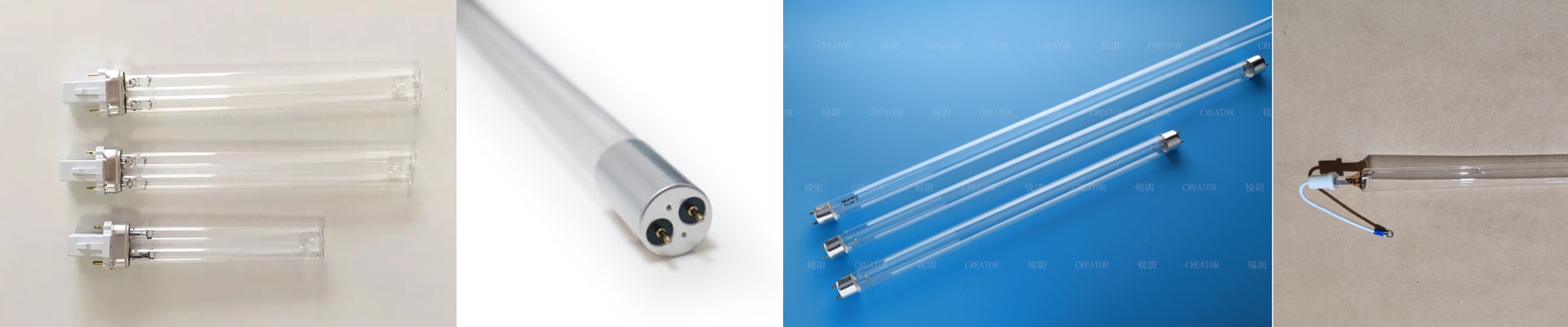
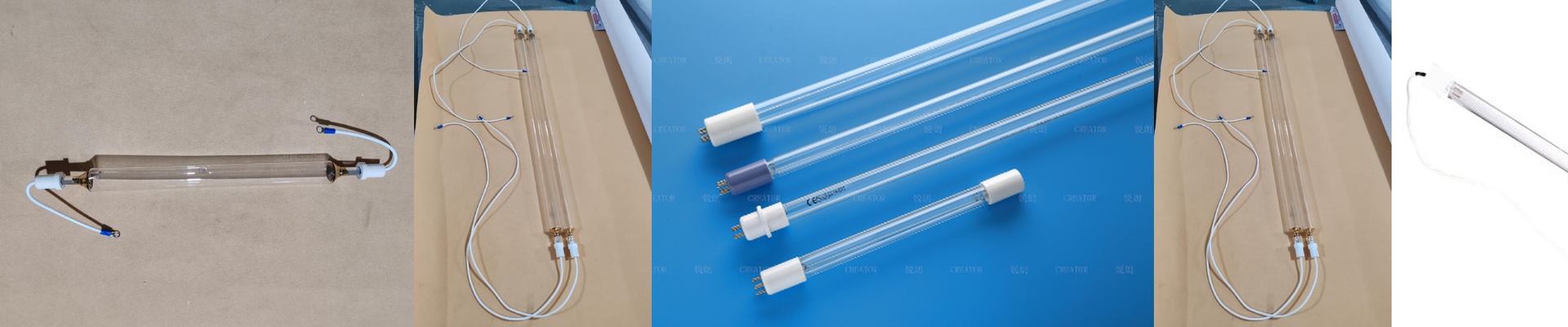
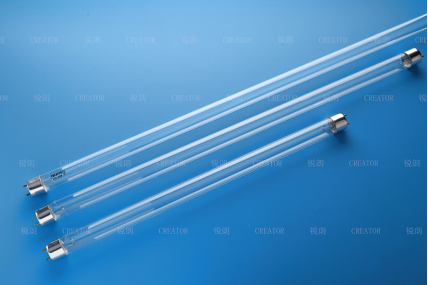
We spent a lot of time walking the floors of 3,000 different printing plants. Why? Because we wanted to see exactly where standard UV lamps give up the ghost. Turns out, most off-the-shelf units are built for a lab, not a real factory. They aren’t built for the brutal heat or the constant, bone-shaking vibration of a high-speed press. That gap—the space between a spec sheet and a loud, messy production line—is where things usually break. The heat struggle Industrial printing is a balancing act. You need the ink to dry, but you can’t just blast it with power. If you cram too much wattage into a short tube, you’ll either scorch your material or fry the electrodes. We obsess over the ratio of lamp length to power. Sure, cranking up the wattage per centimeter makes things cure faster, but it puts a massive strain on the quartz glass. If your cooling fans aren’t perfectly matched to that heat, your lamp life will tank by about 30%. It’s that simple. The little things that matter We use high-purity fused quartz so the UV light actually gets through. Sometimes, depending on your ink, we tweak the lamps to shift the light spectrum. And we have a rule: no generic connectors. None. We use heavy-duty terminals because a printing press vibrates everything. If a connection wiggles loose, you get arcing. And once you have arcing, your ballast is toast. Making it actually work A custom UV setup isn’t just about the bulb. It’s about the fit. We design our lamps to be drop-in replacements. Nobody wants to spend a weekend rewiring an entire machine just to upgrade a light. We also keep a close eye on the distance between the lamp and the substrate. It’s a tight window. Too close? You warp the plastic. Too far? The ink stays tacky and ruins the batch. We calibrate the focal point based on how fast your line is moving, making sure you hit that exact sweet spot for a full cure every single time.