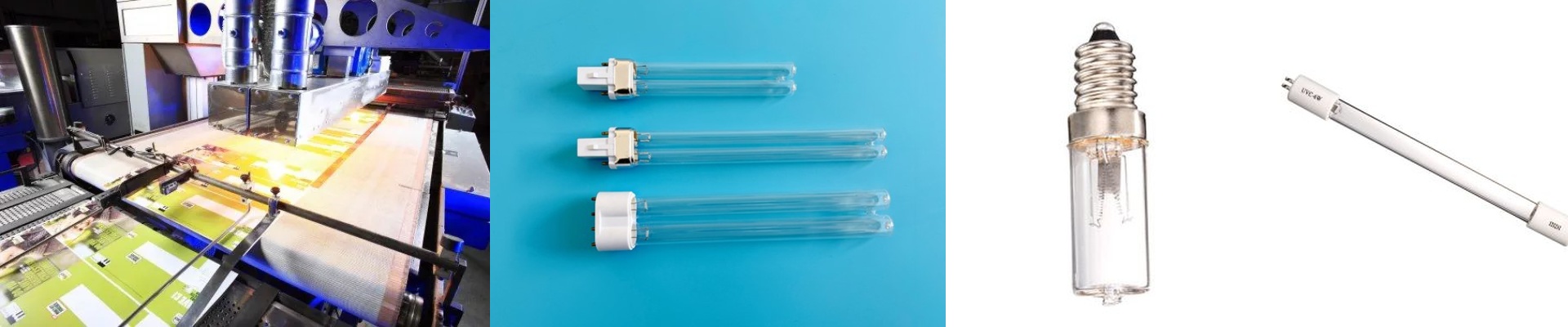
Getting UV Curing Right in High-Volume Printing
Basically, we provide the raw light energy that turns liquid ink into a solid. It’s a process called photopolymerization, but in plain English? It means your ink dries instantly. When that doesn’t happen, you’re left with smudges, peeling, and a whole lot of wasted material. It’s a nightmare.
The nitty-gritty of UV output
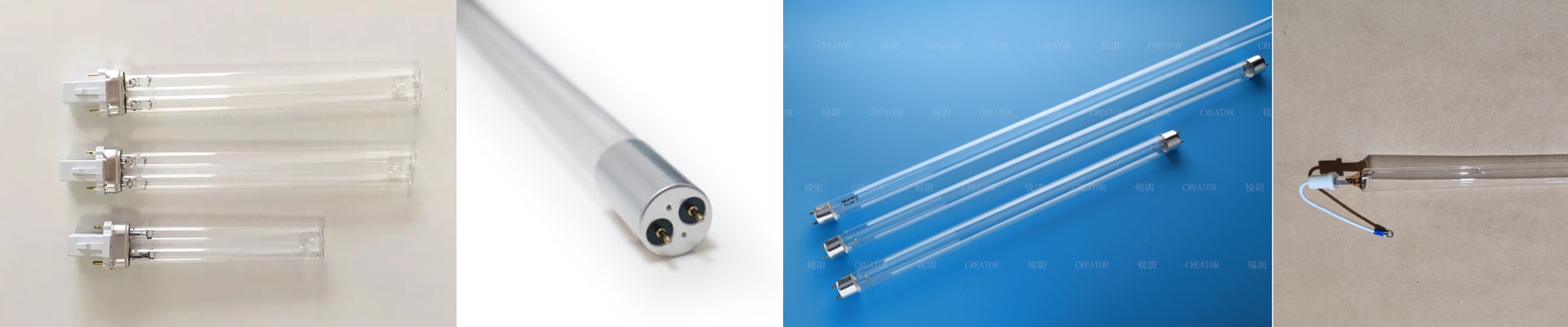
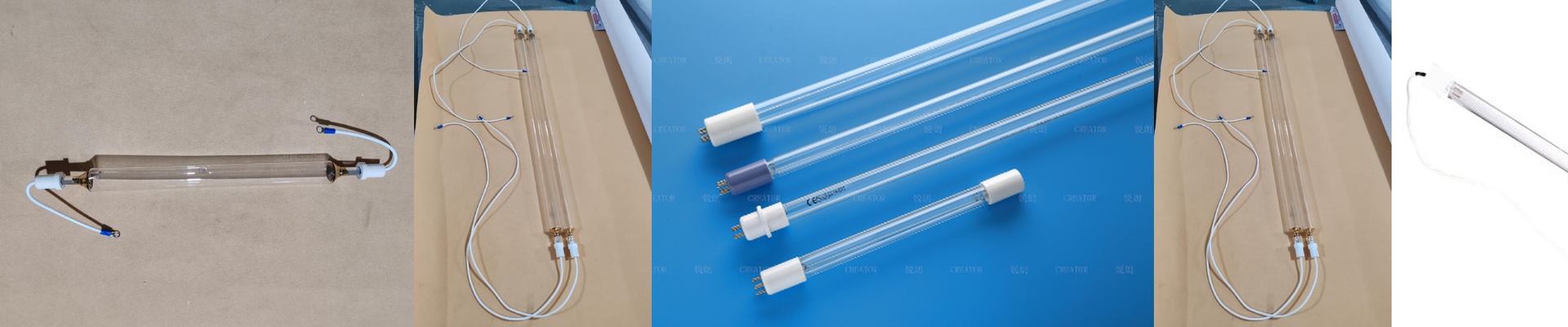
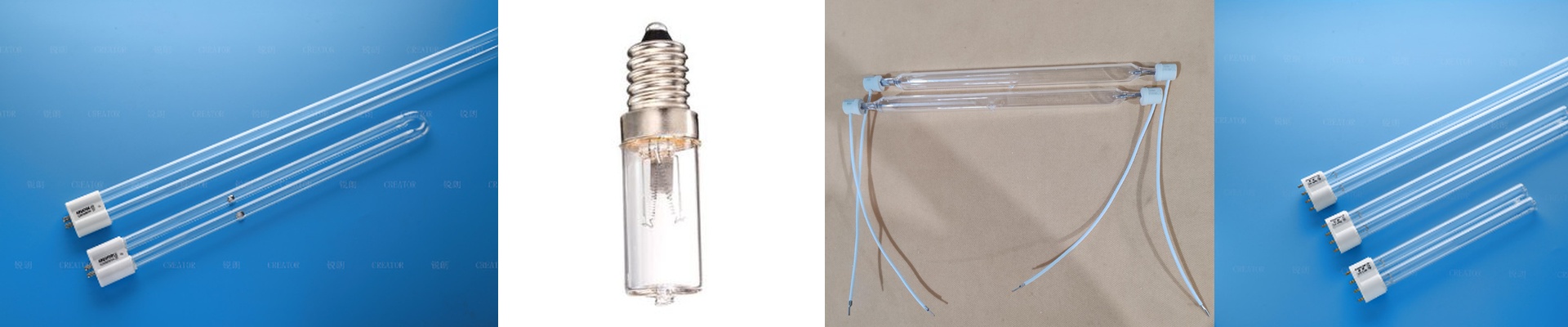
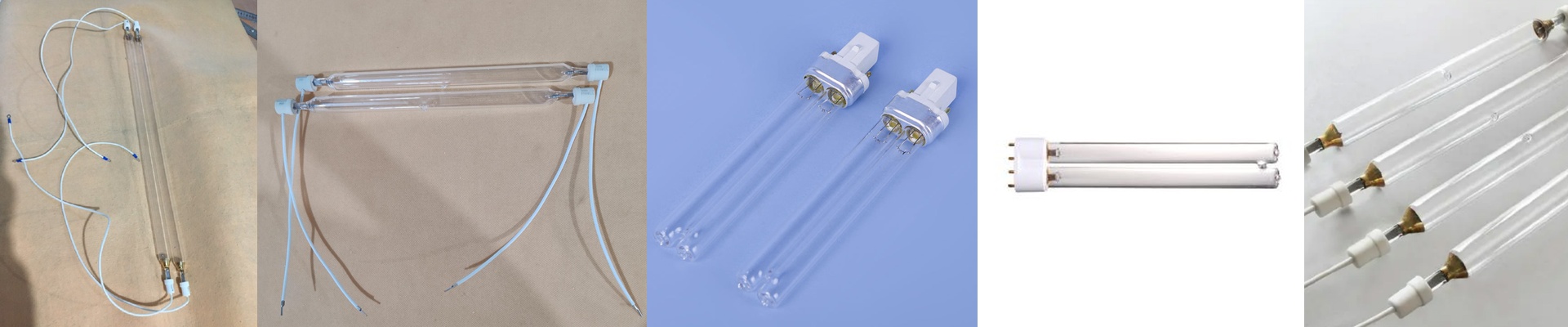
Here is how it works: our lamps excite mercury vapor to create shortwave radiation. When we talk about “spec’ing” a lamp, we’re really just making sure enough power (irradiance) actually hits the surface of what you’re printing. If you’re running a high-speed line, you can’t cut corners. You need high-wattage tubes that can keep up with the conveyor. If the lamp is too weak, the ink stays wet underneath, and the whole batch fails. And watch your voltage. This is where most people trip up. Our lamps are built for specific loads, but they only work if your ballasts match. If they don’t, you’re looking at flickering lights or lamps that burn out way too soon.
Dealing with the heat
These things gethot. Like, really hot. We use high-purity quartz glass because it lets the UV light through while keeping the plasma contained. But you’ve got to balance that power with some serious cooling. Depending on the wattage, you’ll need forced air or water-cooled jackets. If the cooling isn’t up to the task, that quartz tube will simply crack. We also make sure our lamps fit into the tunnels you already have. Nobody wants to tear apart their entire machine frame just to swap a part. We make it a simple drop-in.
Real-world headaches
If you’re moving hardware across borders, keep a close eye on regional voltage. It sounds obvious, but plugging a 220V lamp into a 110V circuit without a transformer is a great way to blow your equipment instantly. We build these to be tough, but they aren’t invincible. If your press vibrates too much, it’ll take a toll on the hardware over time. One last tip:**Keep your reflectors clean.**It sounds trivial, but a thin layer of dust can kill your efficiency by 20%. A quick wipe-down saves you a lot of money in the long run.