Dealing with Electrical Noise in Your UV Curing Lines
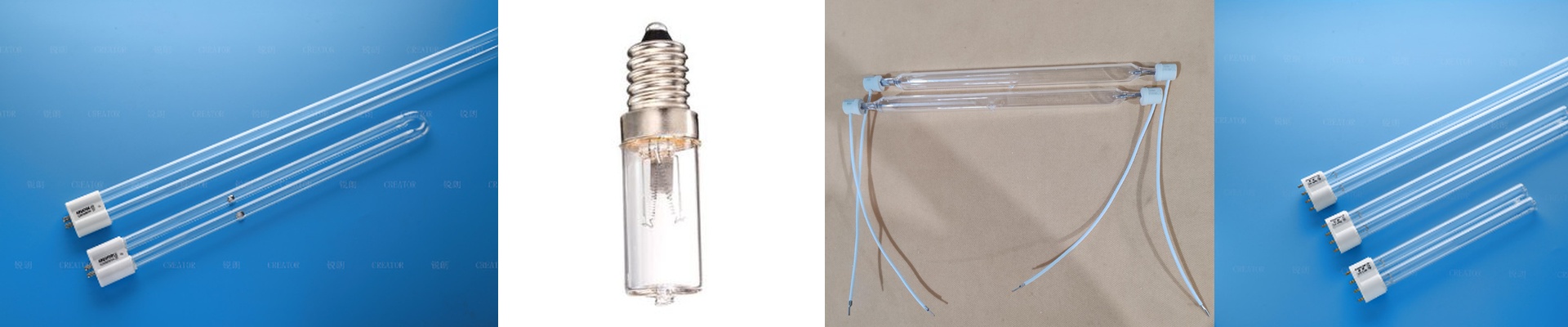
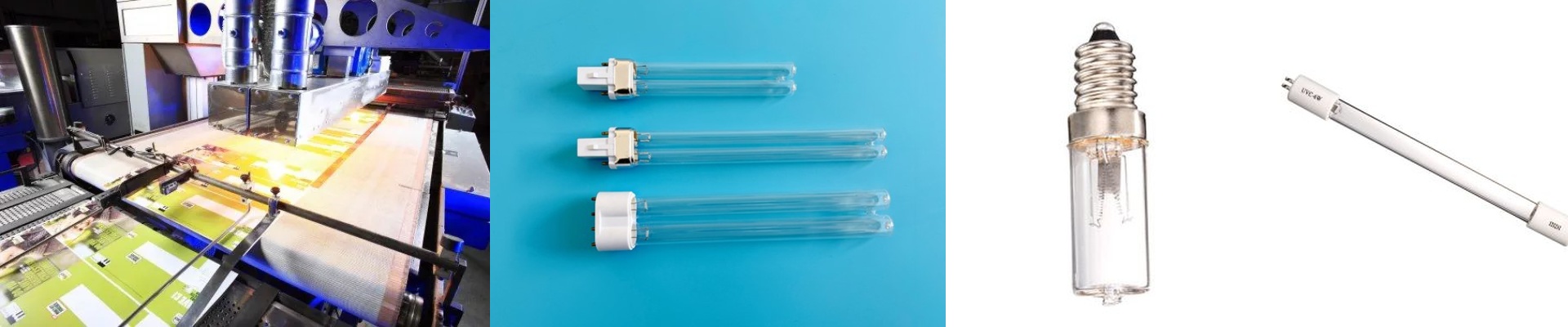
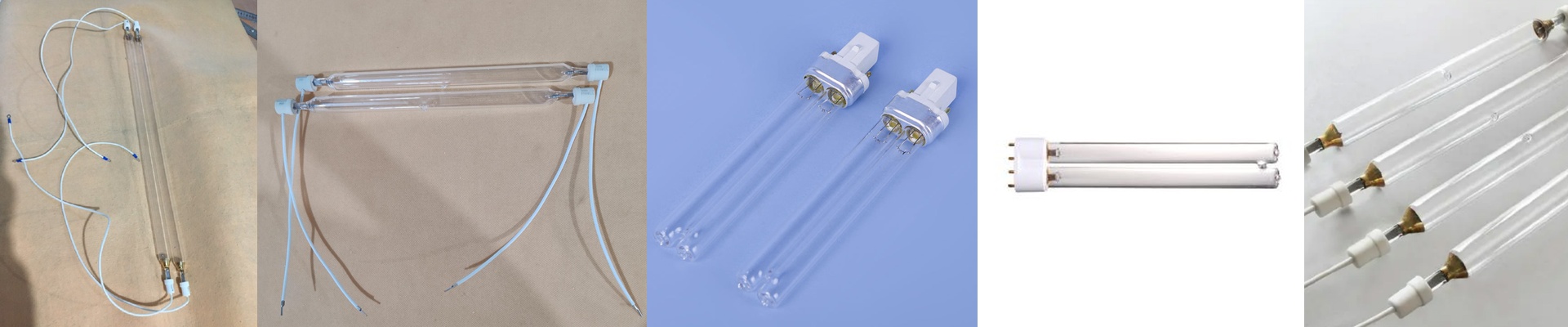
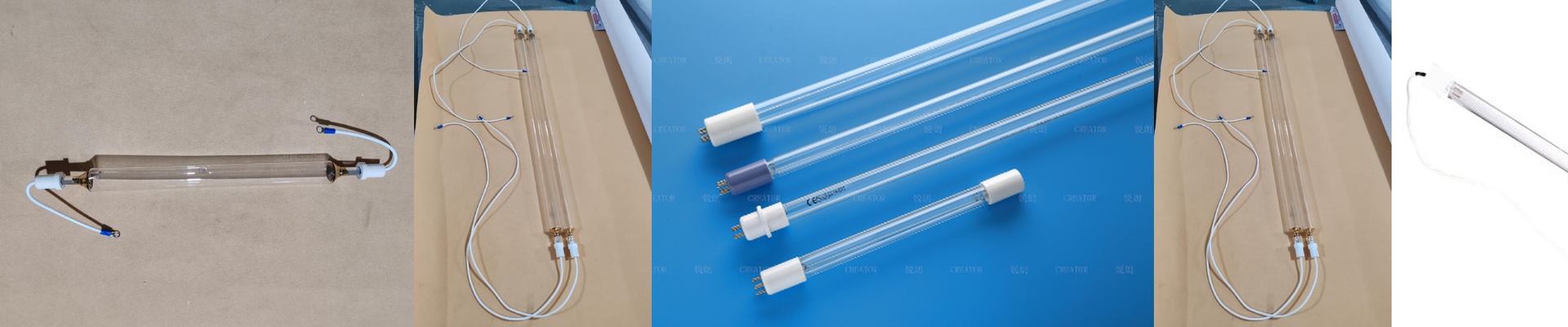
If you’re running a shop with a handful of large printing presses, you already know the headache of electrical noise. Mercury UV bulbs need high-voltage starters and ballasts to do their job. The problem? Those components throw off a ton of electromagnetic interference (EMI). If your lamps aren’t up to the task, you start seeing flickers, bulbs burning out way too early, or the whole system just tripping for no apparent reason. It’s frustrating. Keeping things steady We design our mercury UV bulbs to stay stable, even when your power grid is “dirty.” Think about a facility with ten or twenty presses all humming along at once. All those inductive loads create voltage spikes. It’s a chaotic environment. To fight this, we tweaked the electrode composition and the gas fills. The goal is to keep the arc from wandering or just quitting on you. It stops that annoying “stutter” you get with cheap wholesale tubes whenever a machine in the next aisle kicks into gear. The reality of power vs. noise Here’s the thing: high-output lamps need aggressive voltage to keep the plasma state going. That’s how you get the UV intensity required to cure ink fast. But that power comes with a trade-off—it increases the EMI footprint. You can’t just make electrical noise vanish. To actually get the most out of these bulbs, your grounding needs to be tight and your cabling needs to be shielded. If the wiring is sloppy, even the best bulb in the world is going to struggle. What this looks like on the floor These are simple drop-in replacements for your standard industrial UV arrays. For the engineers, it just means fewer mid-shift replacements and curing speeds that actually stay consistent across the entire web. You get a steady output that doesn’t care what the machine next to yours is doing. It’s the difference between a line that runs 24/7 and one that grinds to a halt every time a motor ramps up.