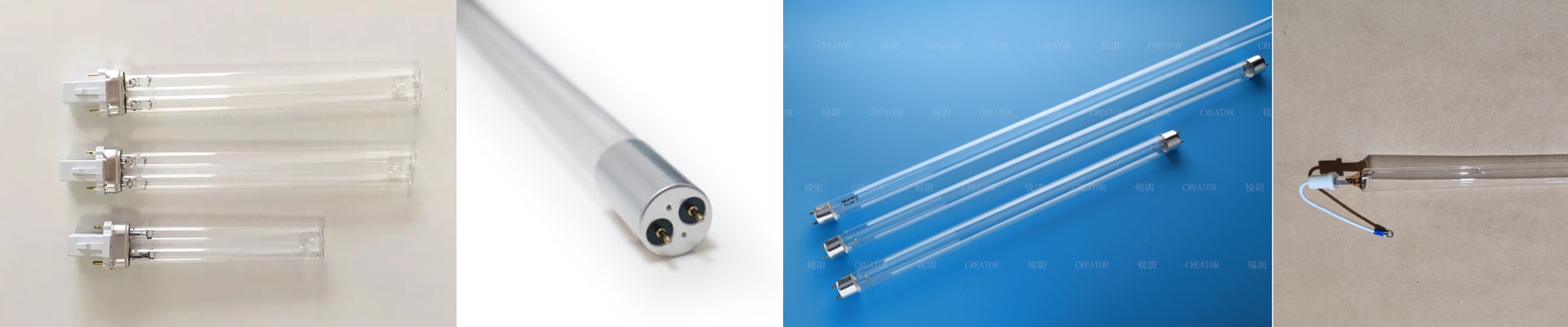
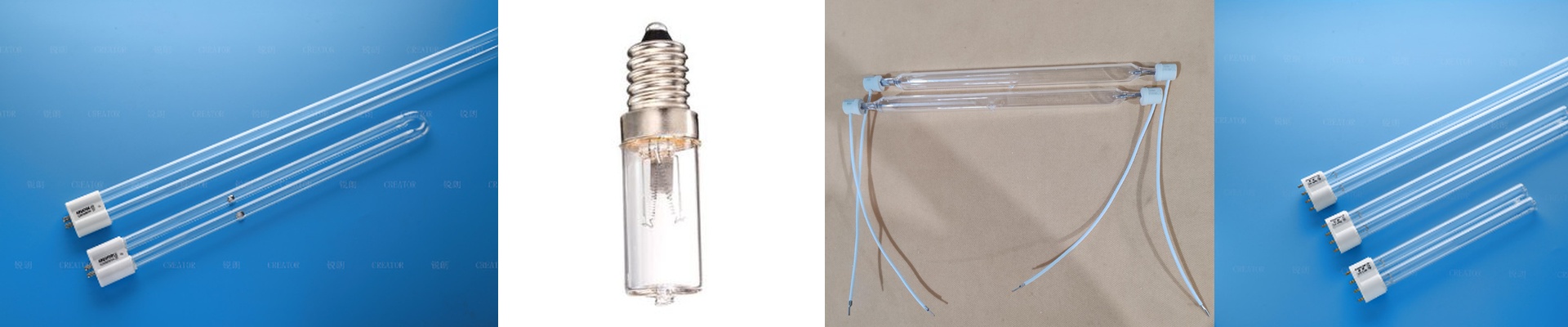
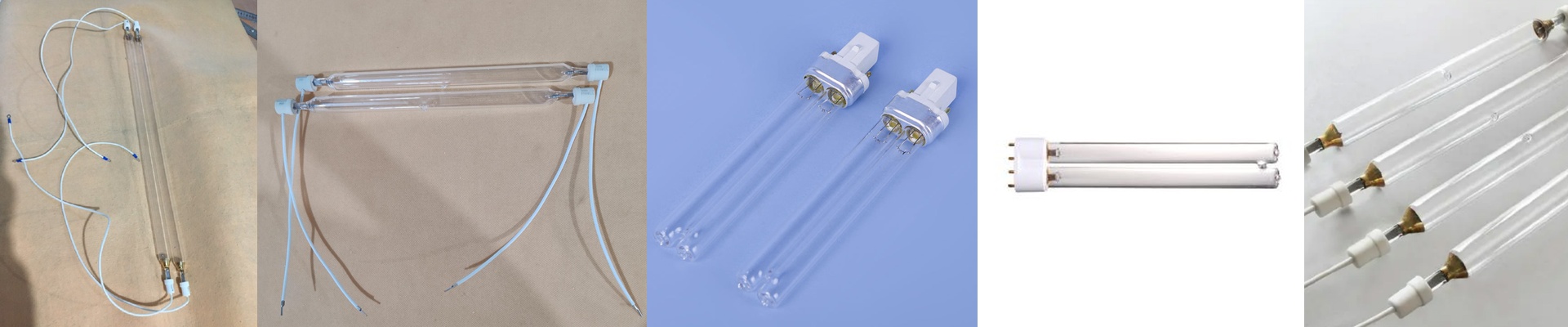
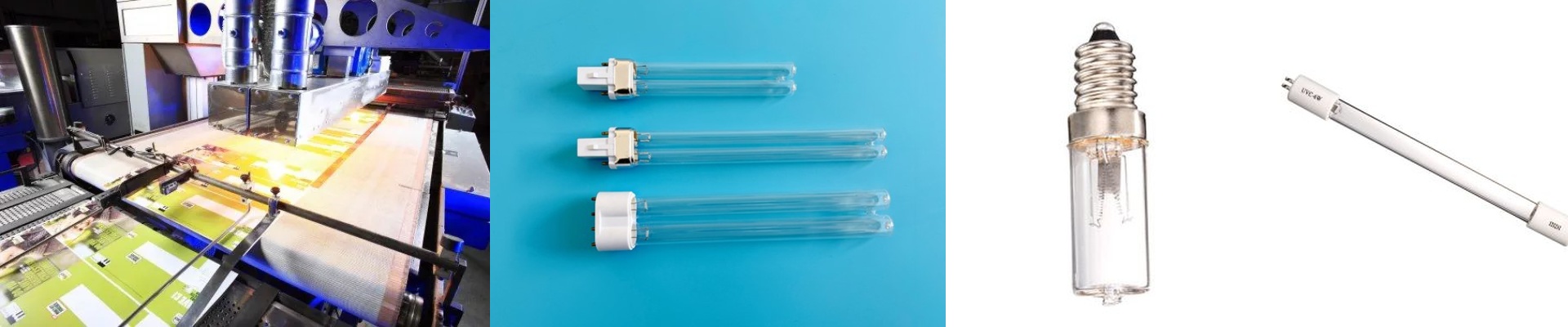
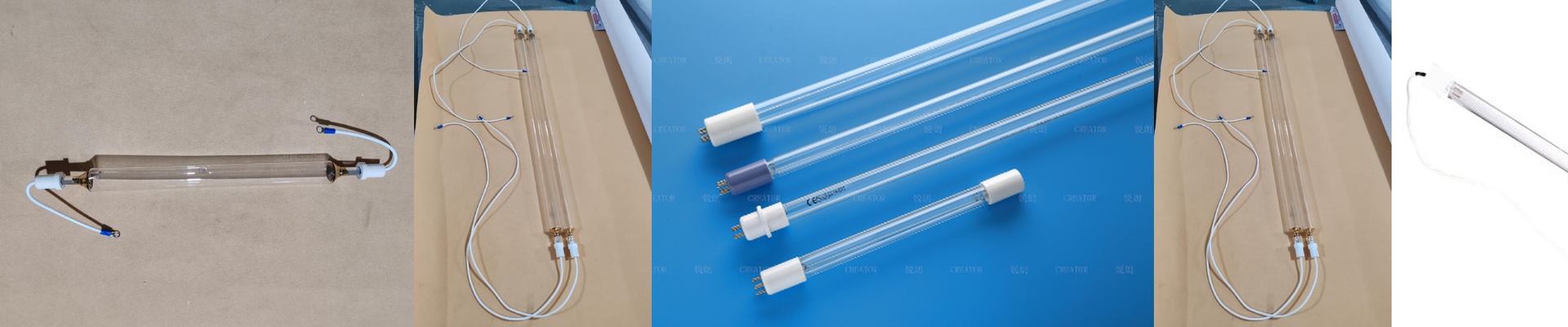
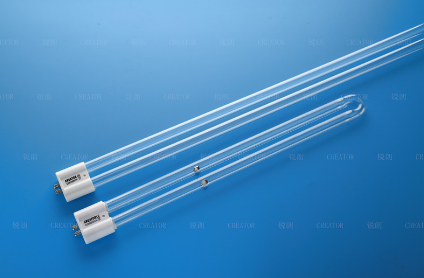
On press, downtime isn’t theoretical—it’s lost sheets and blown delivery windows. When a UV lamp starts to drift, the first giveaway is often a faint, tacky surface. The ink should have cross-linked in milliseconds, but it simply didn’t get the dose it needed. That’s why a single-ended UV lamp isn’t a commodity. It’s the controlled energy source your curing station has to be able to count on. We build these lamps around high-pressure mercury vapor technology, tuned for the UVA band that actually drives photoinitiator response. Expect strong output around 365 nm for deep through-cure, plus extra energy in the 385–405 nm window to lock in surface cure and pigment stability. Peak irradiance is engineered so you hit the required energy density (mJ/cm²) across the substrate—not just down the centerline. The quartz envelope uses a dichroic coating to reflect usable UV back onto the print while pushing excess IR out of the beam, so you don’t cook the substrate. And the reflector geometry is matched to narrow-web and stack-style dryers, so the spectral footprint sits cleanly inside the cure window without overspending on lamp power. In industrial printing—UV offset, flexo, or screen—curing has to repeat, shift after shift. These single-ended lamps hold stable spectral output over life, with controlled degradation curves. Set exposure once, and the numbers stay trustworthy. That shows up as fewer rejects from incomplete cure, faster changeovers, and dot gain you can keep under control. Power draw is matched to the process, and the compact single-ended form drops straight into standard holders and retrofit kits. Here are the practical things that matter. Match the lamp to the system: verify arc length, base type, and electrical interface before you install. Output and life are sensitive to ballast stability and cooling airflow—run outside the specified current window, and you’ll shorten lamp life and flatten peak irradiance. When you replace the lamp, confirm reflector condition and alignment. Even a small mis-focus will rob the substrate of curing dose.