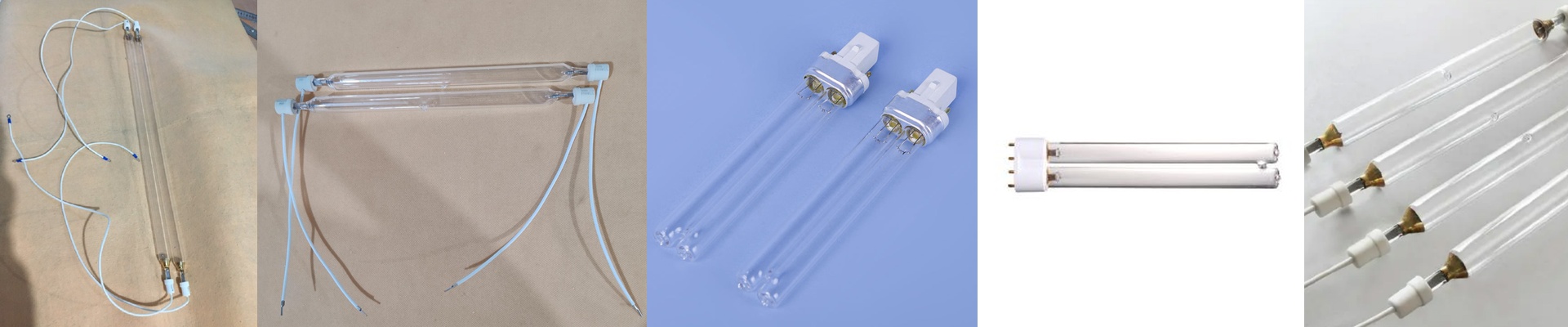
Why Our UV Lamps Actually Cost Less (And Work Better)
Here is the honest truth about how most UV lamps get made: most suppliers are just middlemen. They buy the quartz from one guy, the electrodes from another, and the gas from a third. By the time that lamp hits your desk, you’re paying for three different markups. We do things differently. We handle everything under one roof—from sourcing the raw quartz to welding the electrodes and filling the gas. No middlemen. No extra fees. Just a fair price for a lamp that doesn’t cut corners on the glass or the gas purity.
Getting the Science Right
UV lamps are basically a balancing act of electricity and noble gases. If you’re sterilizing, you need that specific 253.7nm wavelength. If you’re curing resins, you need a broader spectrum to get things to harden. We build these based on how much “punch” (irradiance) you actually need for your specific job. But there’s a catch. High-wattage tubes are great because they speed everything up, but they gethot. Like, really hot. If you push the power too hard without a plan, you’ll overheat the quartz. Once that happens, the light shifts, the efficiency drops, and you’re wasting money.
The Stuff That Matters
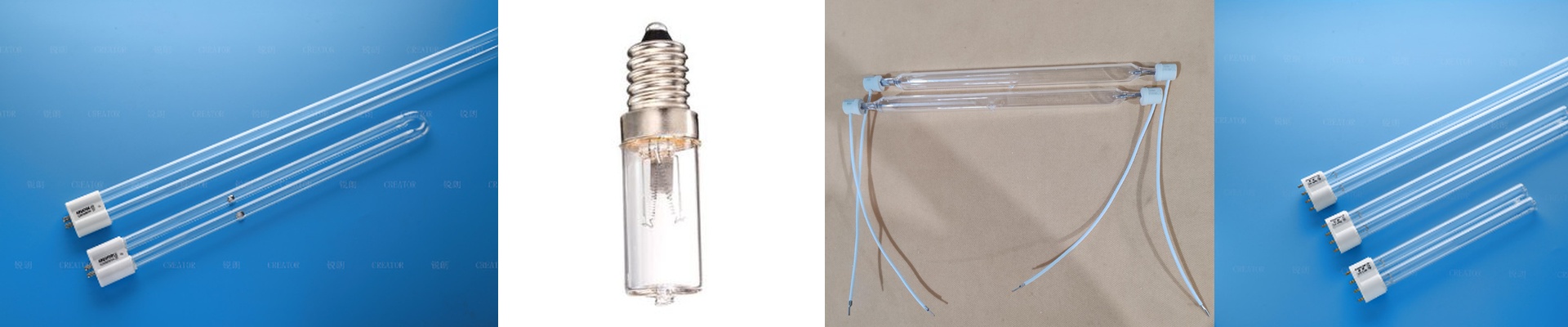
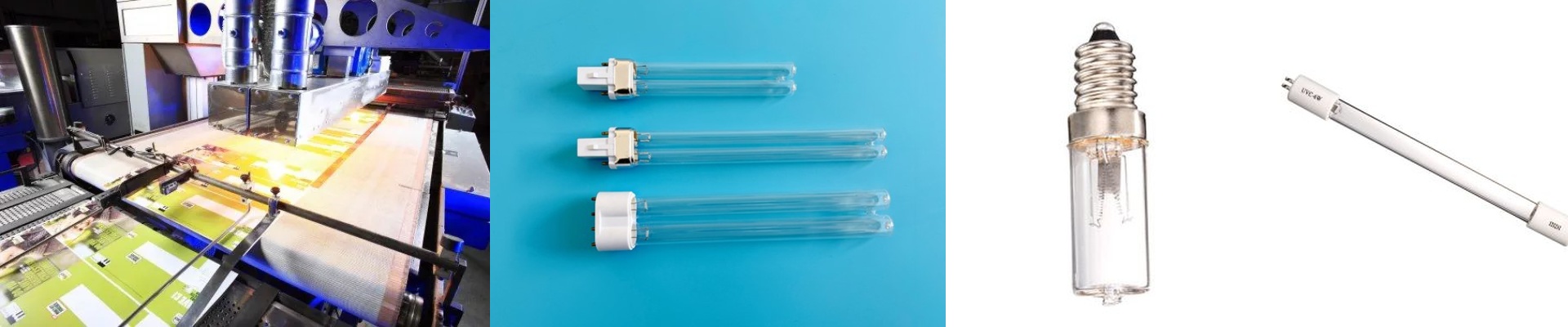
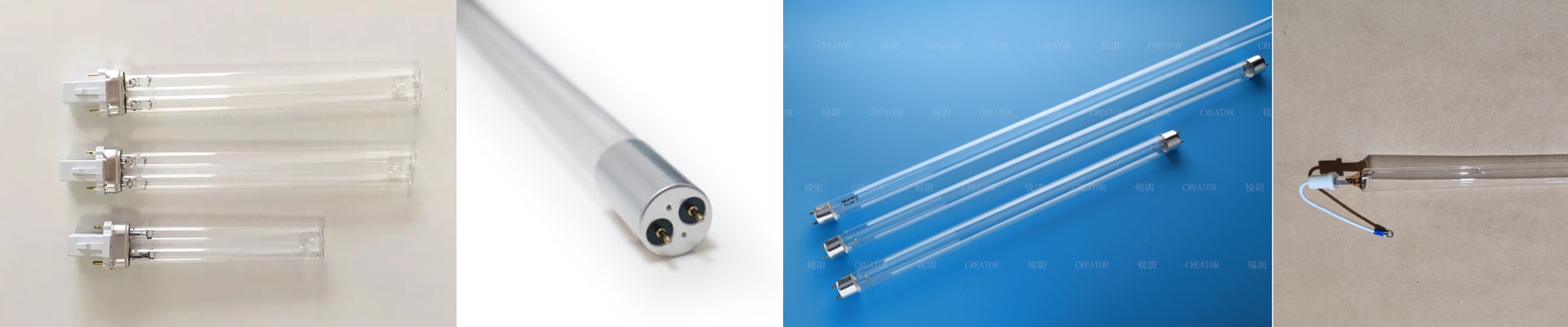
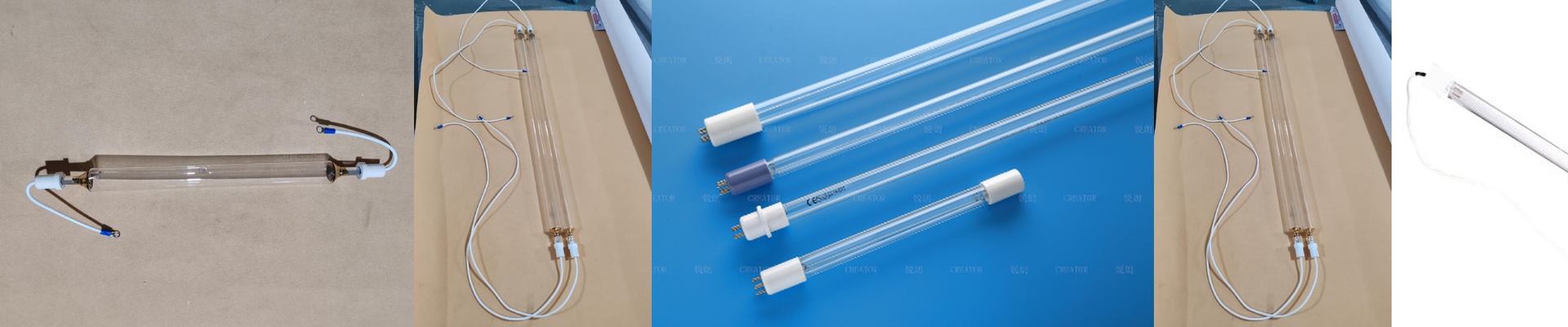
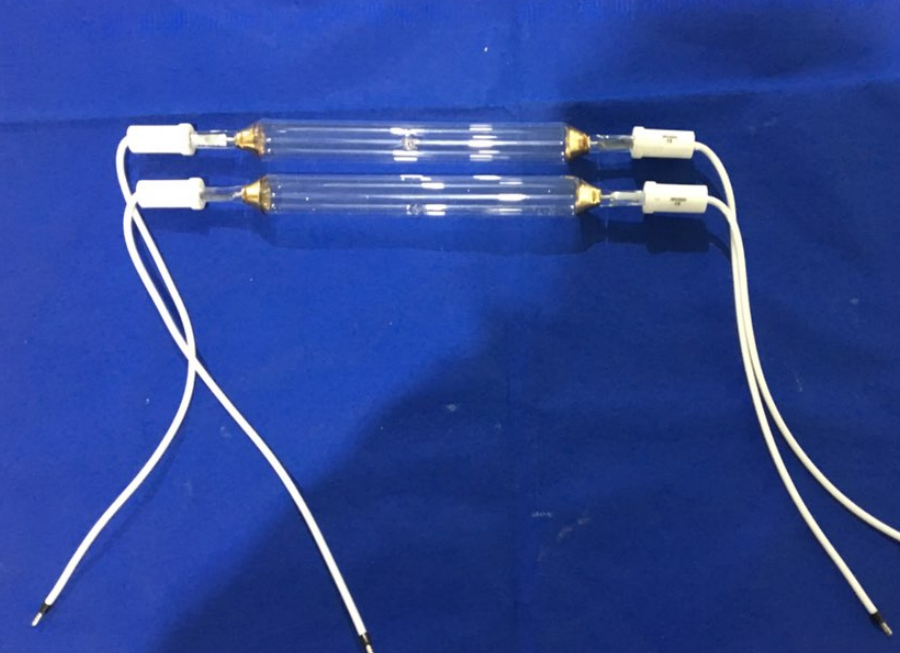
We use high-purity fused quartz. Why? Because cheap glass is like a wall—it blocks the very UV rays you’re paying for. We also use tungsten for the electrodes. It’s tough. It keeps the lamps from burning out when you’re running high-frequency operations all day. Plus, we make the end-caps in a few different styles, so you can just swap them into your current fixtures without having to rebuild your entire setup.
Speed vs. Heat
Adding these lamps to your line is always a trade-off. Sure, a high-output array can cut your curing time in half. That sounds amazing. But it also puts a massive load on your cooling fans or water jackets. If your cooling can’t keep up, your lamps are going to die a lot faster than they should. We don’t want you guessing. We’ll give you the raw data on heat dissipation so you can set your conveyor speeds and wiring with confidence. It’s better to know exactly where the limit is than to find out when a tube pops in the middle of a shift.