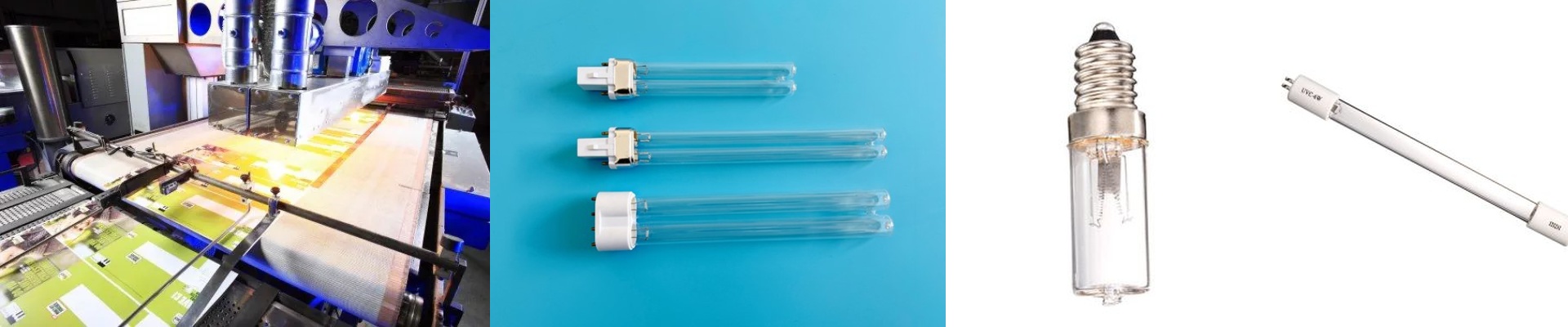
The Obsession with that Extra 0.5%
Most UV lamp companies are fine with “good enough.” They stick to the standard output ranges and call it a day. We aren’t like that. We spent months obsessing over a 0.5% increase in spectral energy concentration. Now, to most people, that sounds like a rounding error. It’s invisible. But if you’re an engineer running a high-speed curing line? That tiny margin is everything. It’s the difference between a surface that peels off in your hand and one that actually bonds.
How we actually get the energy in there
Here’s the thing: you can’t just pump more wattage into a tube and hope for the best. That’s not how it works. Instead, we get surgical with the gas mixture and the thickness of the quartz envelope. We also spend a lot of time on the electrode geometry. Why? Because if the arc wanders, you lose intensity. Period. By tightening the tolerances on the tube diameter, we force the plasma into a tighter column. That pushes more irradiance directly onto your target surface.
The hardware side of things (and where people mess up)
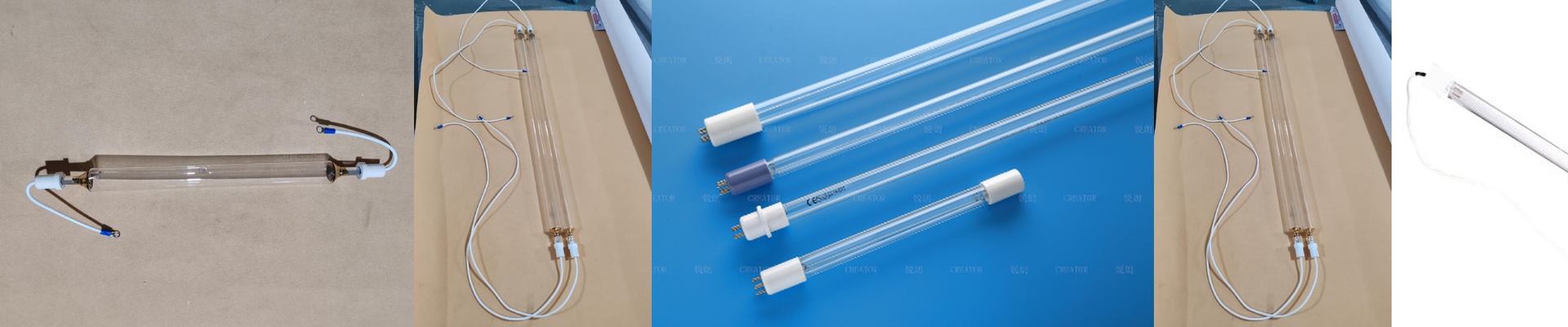
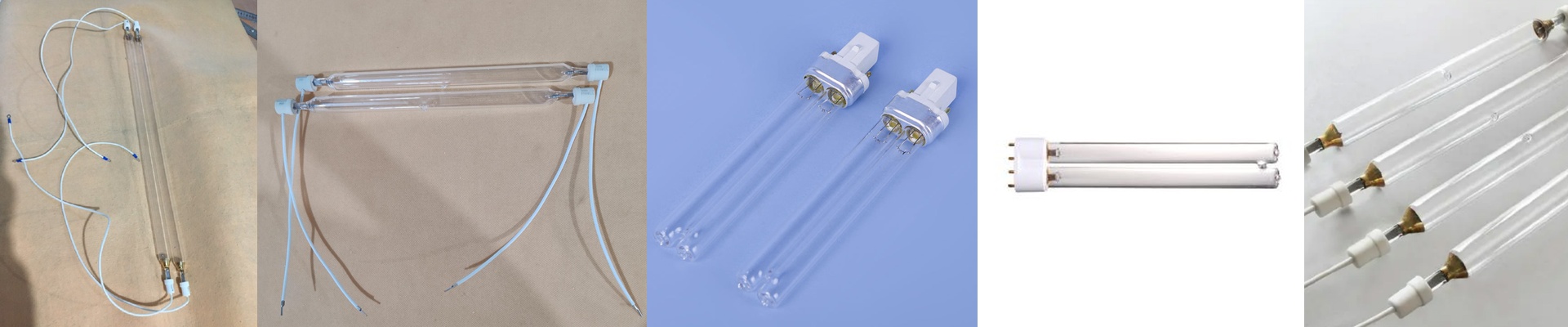
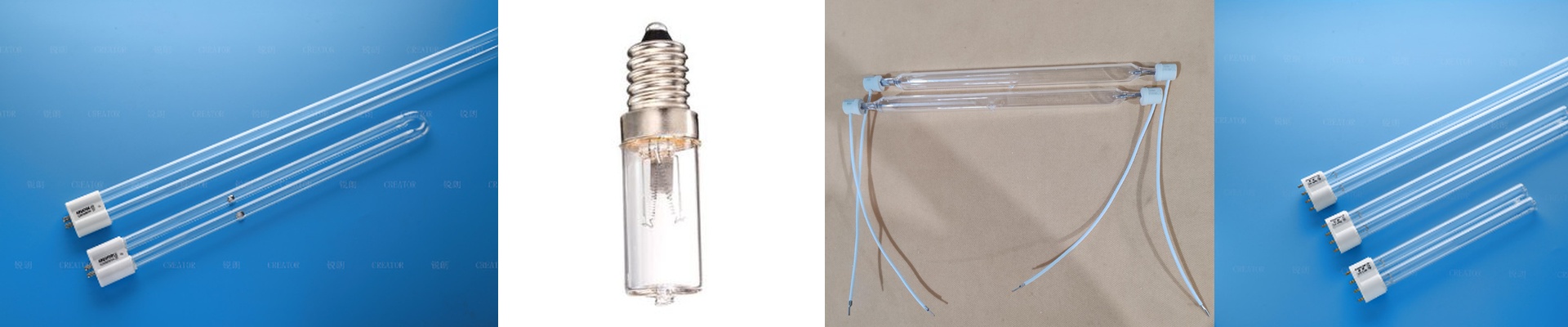
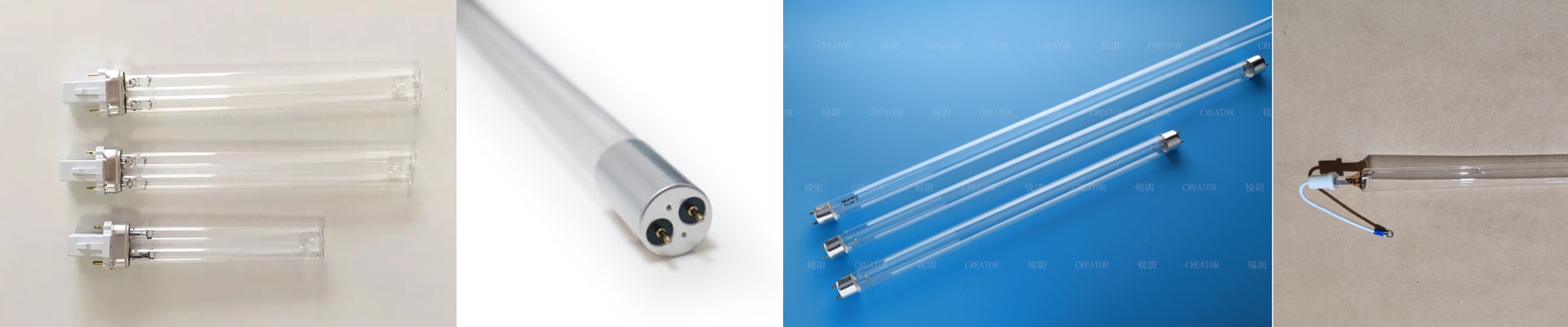
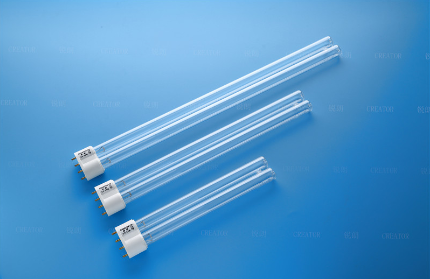
We use high-purity fused quartz. We do this because cheap glass basically eats your UV output before it even leaves the lamp. But the glass is only half the battle. These lamps gethot. Like, seriously hot. If you use flimsy wiring or cheap connectors, they’ll burn out in a week. We pair our lamps with heavy-duty connectors that can handle the thermal expansion without snapping or melting. Don’t skimp on the high-temp leads. Trust me.
Putting it to work
These custom lamps are built for the heavy lifting—precision curing and PET blowing. Because the energy density is higher, you can actually fit more power into a smaller footprint. That means you can either shorten your conveyor belts to save space or just crank up your line speed. One heads-up, though: pushing this much concentration puts a lot of stress on your reflectors. If your cooling fans are too small, your reflectors will warp. We provide the raw power, but you’ve got to make sure the airflow is there to handle the heat.