Getting Your UV Curing Right
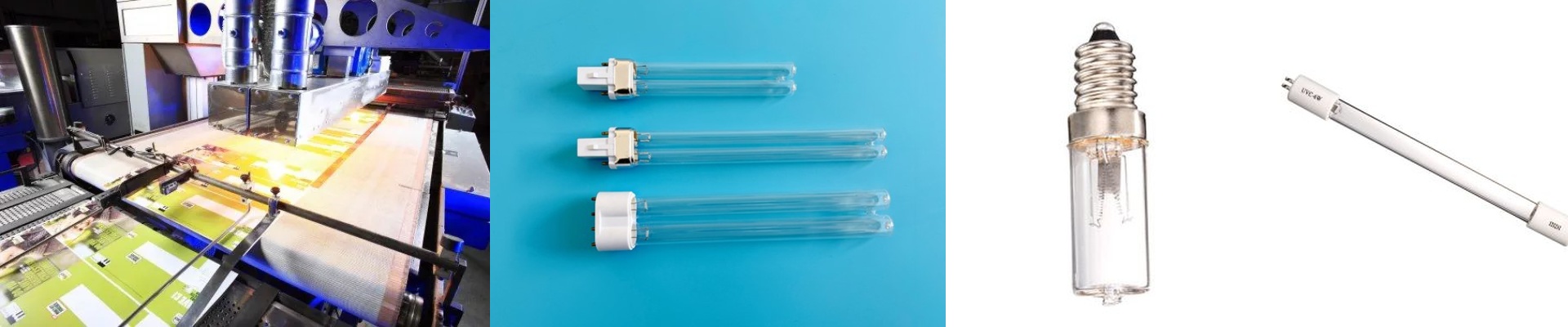
Let’s be honest: when you’re building industrial printers or coating machines, you don’t just need “some light.” You need a very specific amount of energy to make those inks and adhesives actually set. If the dose is off, the whole batch is ruined. That’s where we come in. We build UV systems that actually fit into the space you’ve already got, so you aren’t redesigning your whole machine just to get the curing right.
The Tug-of-War Between Speed and Heat
Here is the tricky part. If you want your line to move faster, you need more wattage. High-wattage lamps are great because they cure thick coatings in a blink. But there’s a catch.They get hot. Really hot. If your cooling fans or water-jackets can’t keep up, you’re looking at warped materials or bulbs that burn out way too soon. We spend our time balancing the electrical input so you get the exact wavelength you need without turning your housing into an oven.
The Nitty-Gritty Hardware
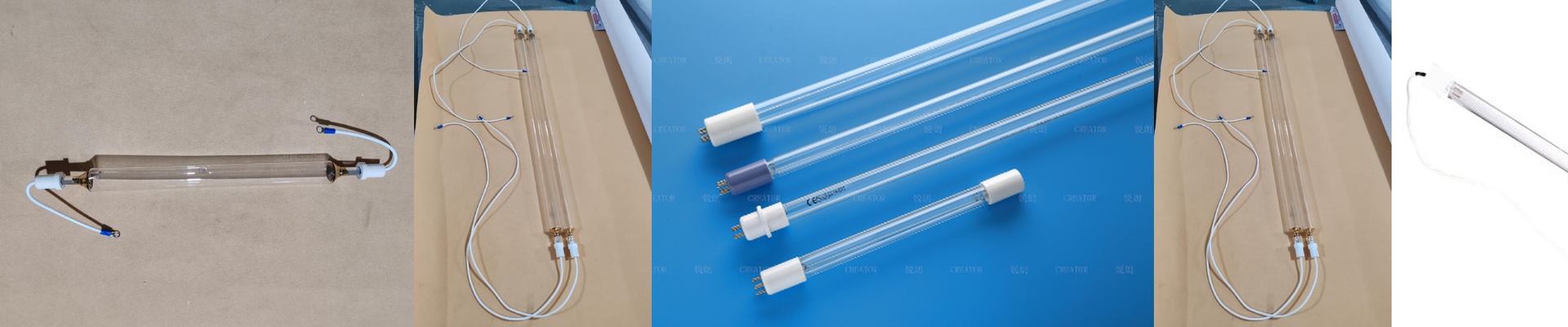
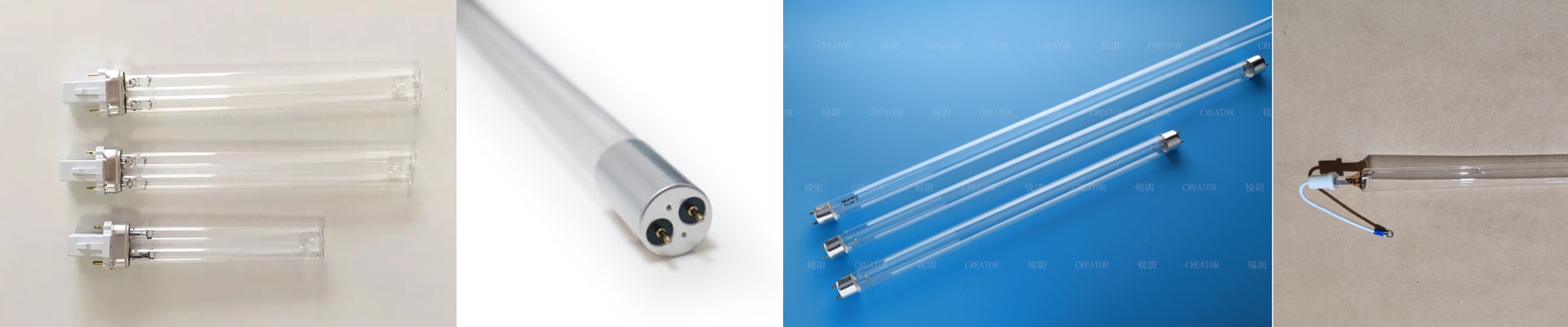
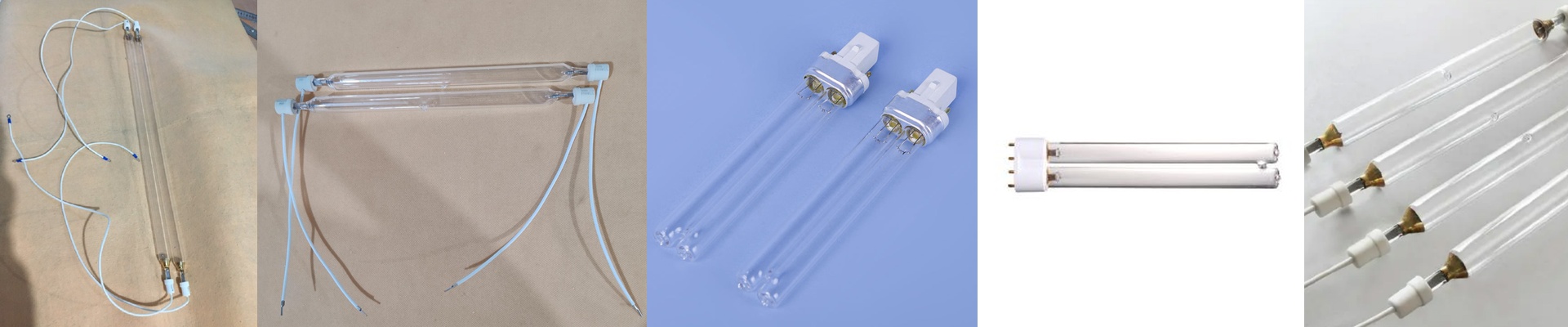
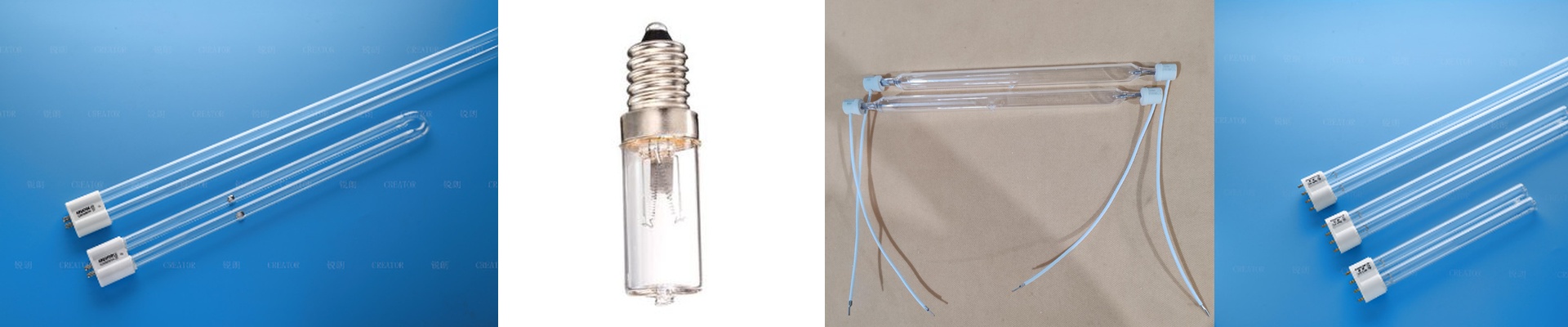
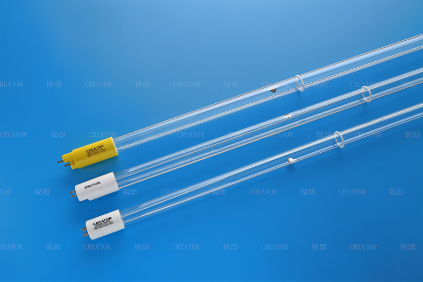
We treat these as “drop-in” parts. We aren’t interested in making things complicated. Whether you need a weird pin configuration or a custom length, we make sure the electrical connection is rock solid. No arcing, no sparks, no headaches. We also use specific quartz glass. Why? Because some glass actually absorbs the UV light instead of letting it through. We make sure the light actually hits your product, not the bulb’s own envelope.
Making it Work in the Real World
Putting a UV source into a massive production line is all about stability. We provide the raw power, and you handle the conveyor speed. It’s a simple setup. If the cure isn’t quite right, you just tweak the distance between the lamp and the product. Plus, we know factories are rough. Things shake. Things get dusty. We build our modules to take a beating, focusing on vibration resistance and thermal stability. The goal is simple: your machines keep humming along without you having to swap out lamps every other week.