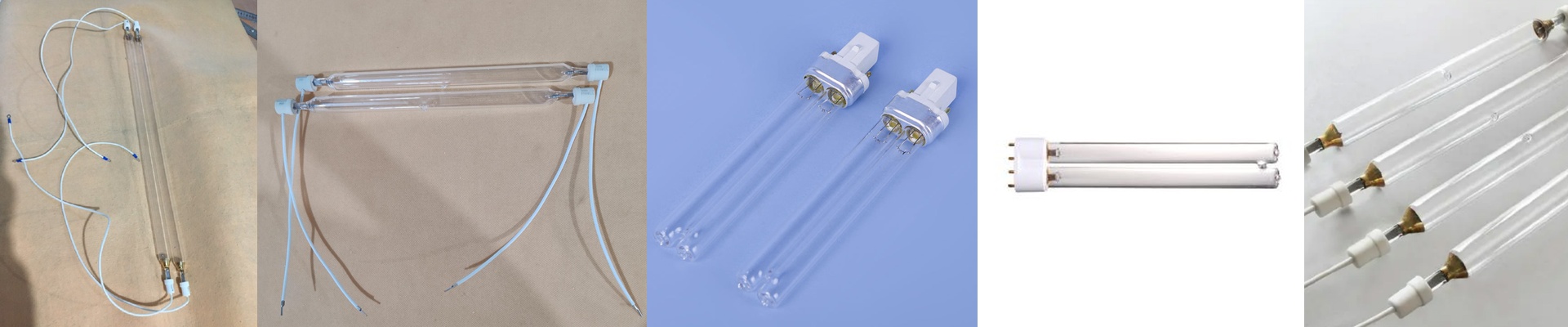
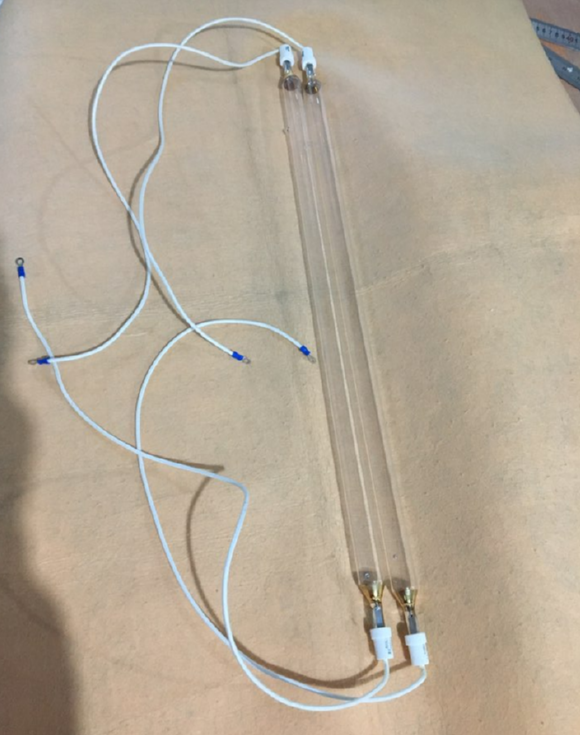
Getting the Most Out of Your High-Pressure Mercury UV Lamps
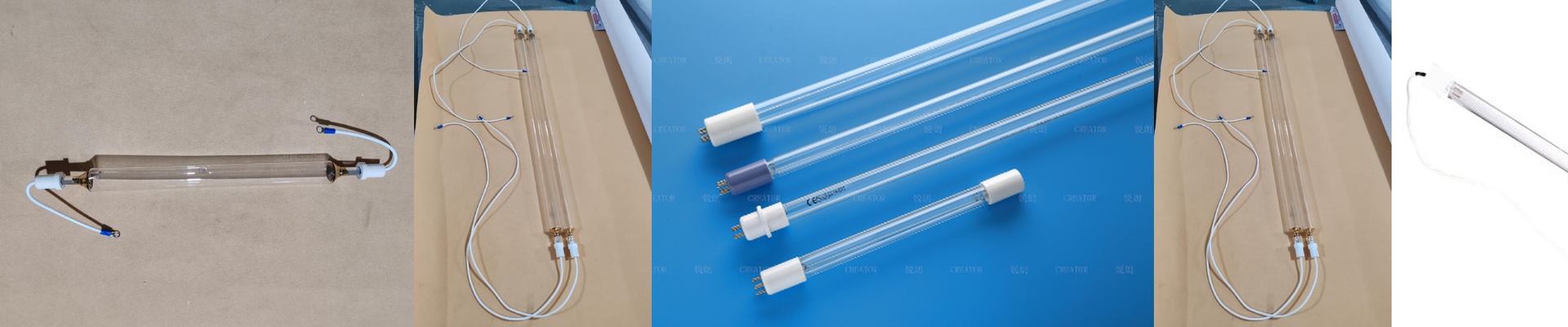
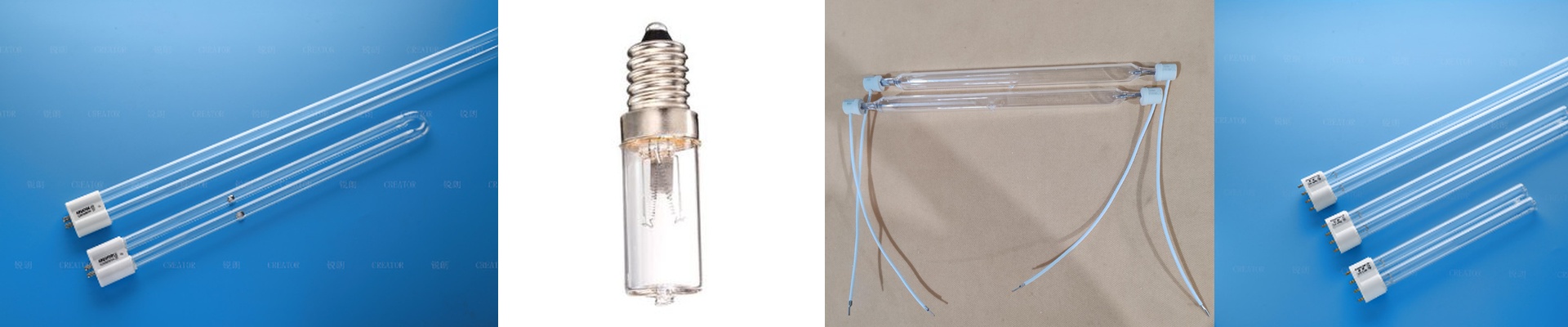
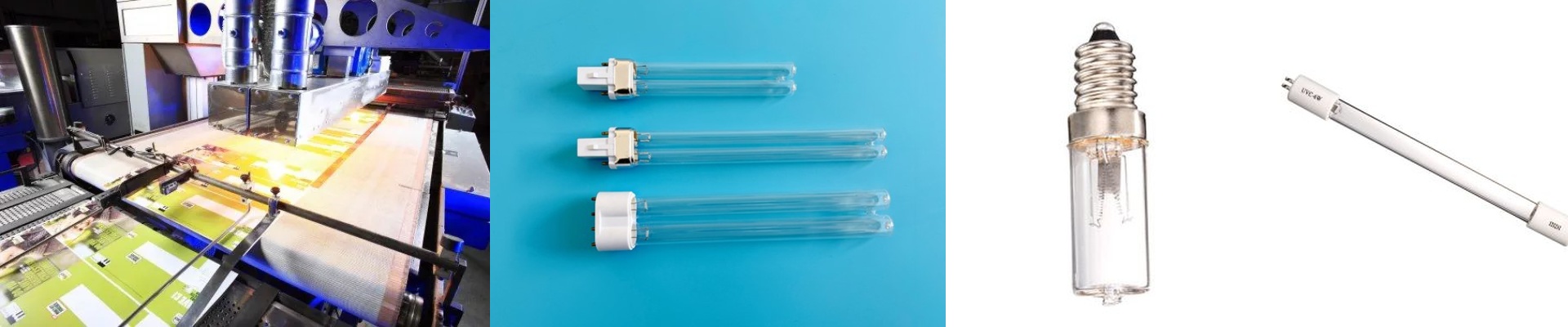
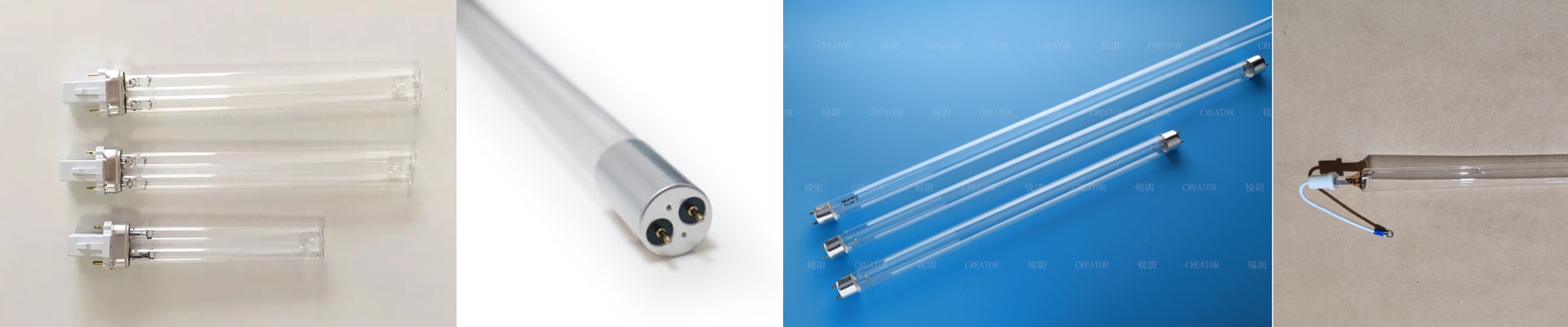
Let’s talk about high-pressure mercury lamps. Basically, they use mercury vapor inside a quartz tube to pump out short-wave UV radiation. It sounds technical, but what really matters is finding that sweet spot where you get the power you need without spending your entire maintenance budget on replacements.
The Heat Struggle
These lamps run on a high-voltage arc to keep the plasma stable. If you’re planning your setup for 2026, you’ve got a choice to make: wattage versus tube diameter. Here’s the catch. More wattage means more UV punch, but it also makes the quartz tube gethot. Really hot. If your cooling fans can’t keep up, that quartz is going to stress out and burn out way faster than it should. To help with that, we’ve tweaked our filament chemistry so the start-up voltage stays steady for the life of the lamp. It just works.
Why the Glass Matters
We stick with high-purity fused quartz for a simple reason: it doesn’t soak up the UV. Cheap glass is a nightmare because it blocks the exact wavelengths you’re paying for, whether you’re curing a coating or sterilizing a surface. Plus, we handle the quartz smelting and the assembly ourselves. No middlemen, no weird markups. We also make sure our end-caps fit your existing ballasts. You can just swap the tubes in and get back to work—no need to rewire your whole rack.
The Reality of Using Them
These lamps are absolute workhorses. When you need a massive hit of UVC energy, this is the way to go. But there’s a quirk you need to know about. They need time to warm up and time to cool down before you can fire them up again. If you try to flip the switch on and off every few minutes, you’ll kill the electrodes. If your operation runs 24/7, you won’t even notice. But if you only use them once in a while, just factor in that downtime. It’s a small price to pay to keep your lamps from dying prematurely.