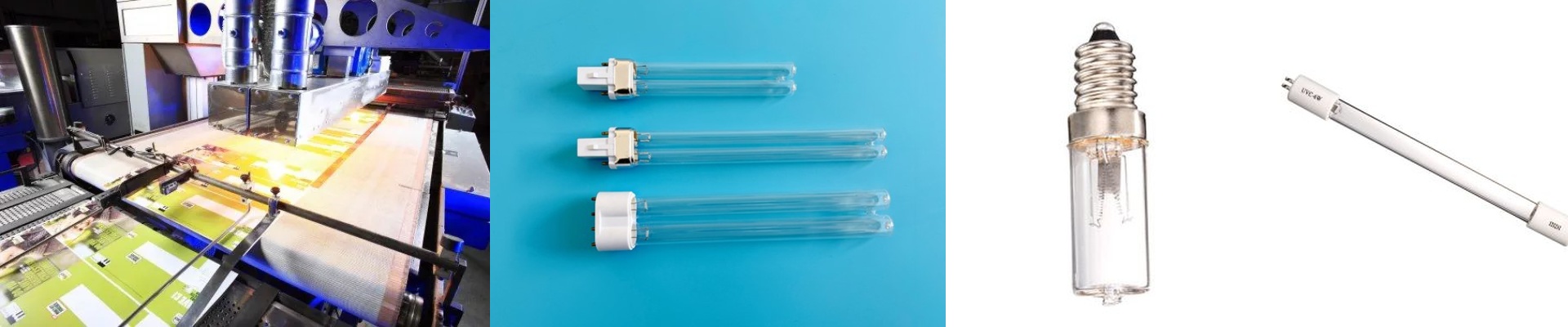
Let’s Talk About UV Curing (And Why It’s More Than Just Drying Ink)
Most people think UV curing is just a fancy way to dry ink. But if you’re running a modern production line, you know it’s actually about precision. It’s all about getting the light output and the conveyor speed to play nice so you get a perfect cure without melting your materials.
Getting the Light Right
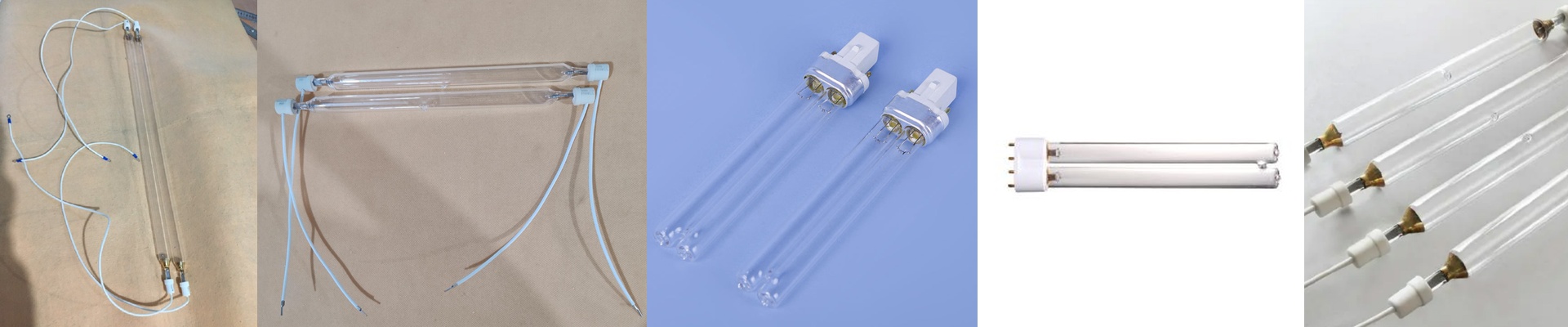
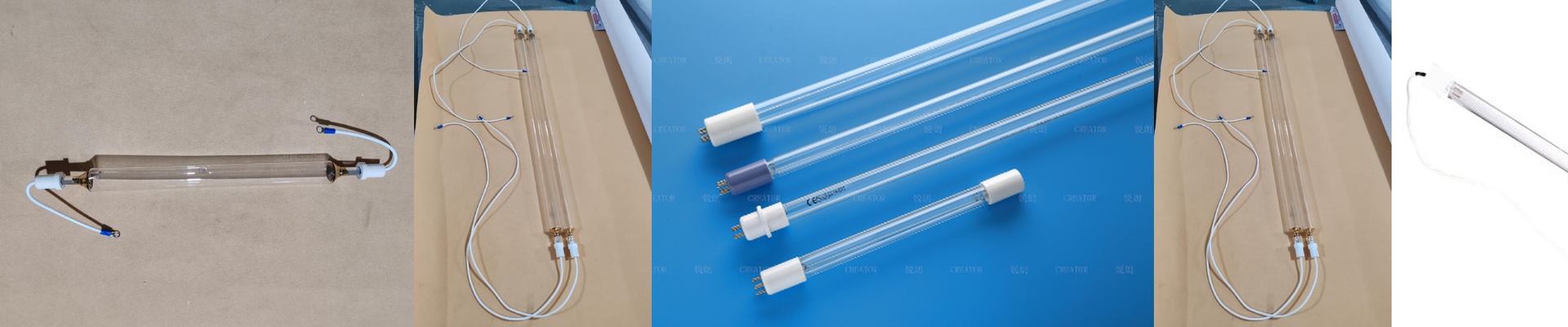
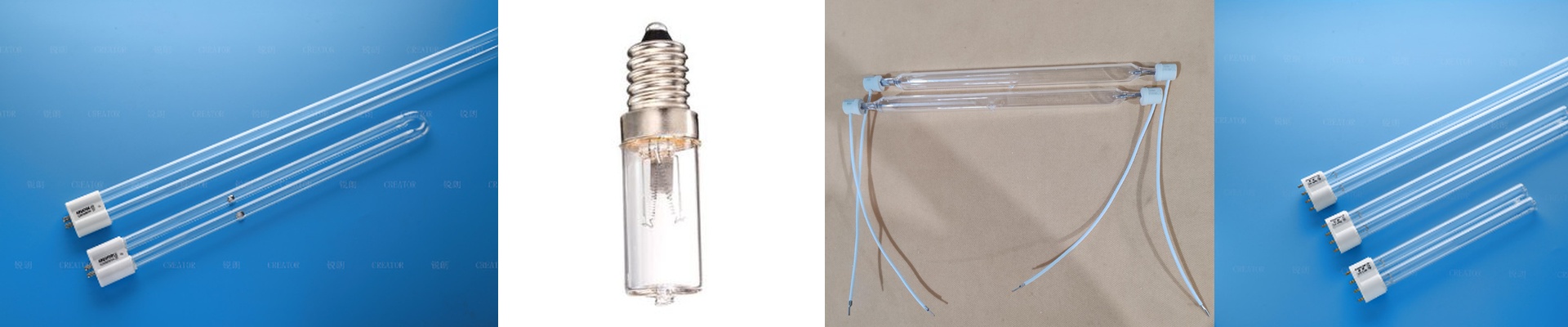
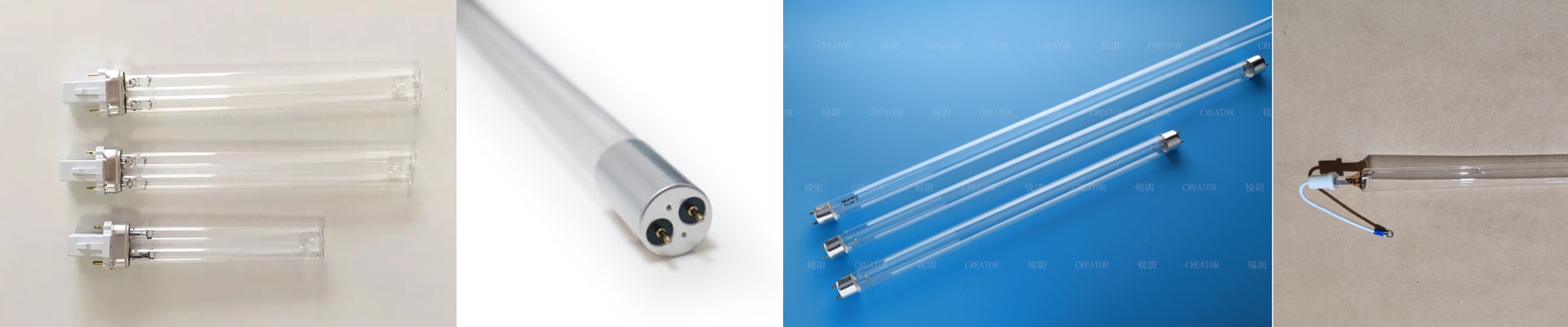
We don’t believe in a one-size-fits-all approach to wavelengths. Sometimes you need UVC to snap the surface shut instantly. Other times, you need UVA to reach deep into a thick coating. The secret is in the glass. We use high-purity fused quartz for our envelopes. Why? Because cheap glass absorbs the energy it’s supposed to be letting through. By using the good stuff, the energy hits your product, not the lamp housing.
The Heat Struggle
Here is the thing: high wattage is great for speed, but it comes with a price. When you cram a ton of power into a small space to speed up your line, things get hot. Fast. If your cooling fans or water-jackets can’t keep up with that heat, your lamps will die early or, worse, your parts will start warping. We spend a lot of time tweaking our power curves so you can move fast without stressing your materials.
Fitting In and Keeping Things Running
Nobody likes downtime. That’s why we make our units easy to swap into your existing setup. But here is where a lot of people trip up: the wiring and the ballasts. If your voltage jumps around, your lamps are going to burn out way before they should. We focus on keeping the electrical draw steady so you actually get the lifespan you paid for. And since we’re all moving toward smarter factories, we’re adding real-time sensors. No more guessing if a lamp is getting weak. The system tells you exactly when it’s fading, so you can swap it out on your own time—not when a batch of product fails quality control. It takes the guesswork out of the whole process.