Let’s Talk About UV Lamps: Getting More Punch with Less Power
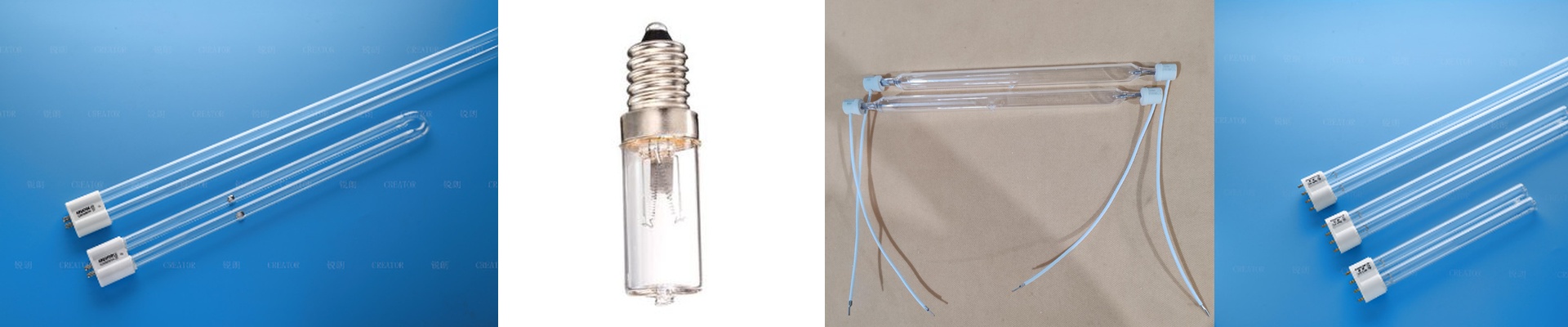
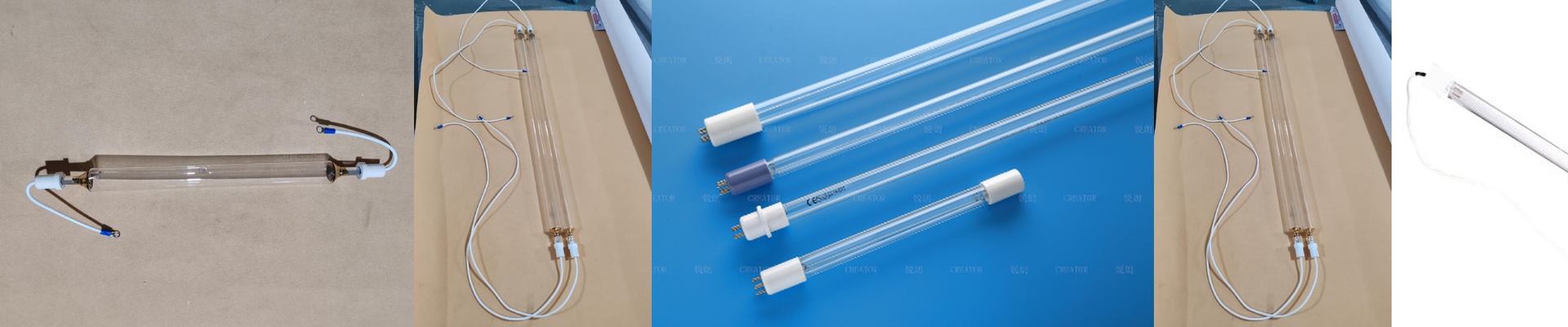
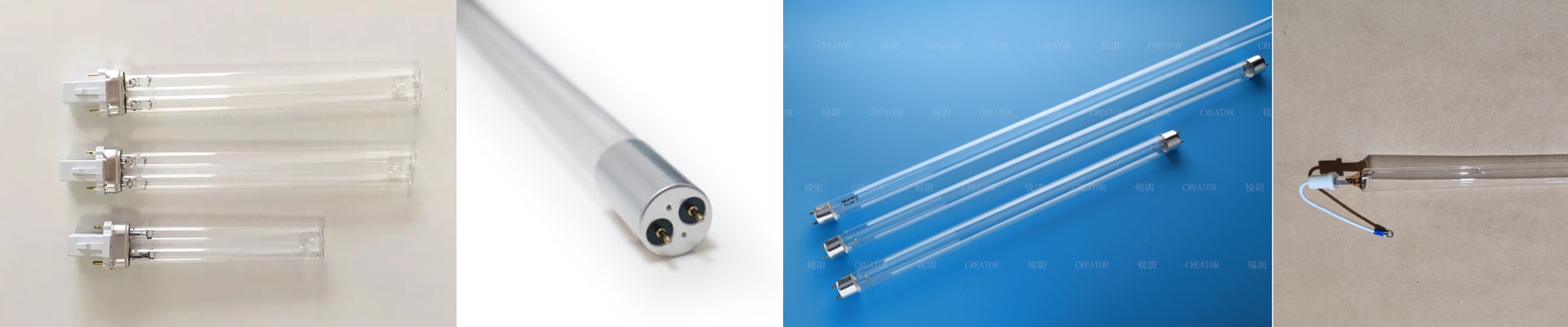
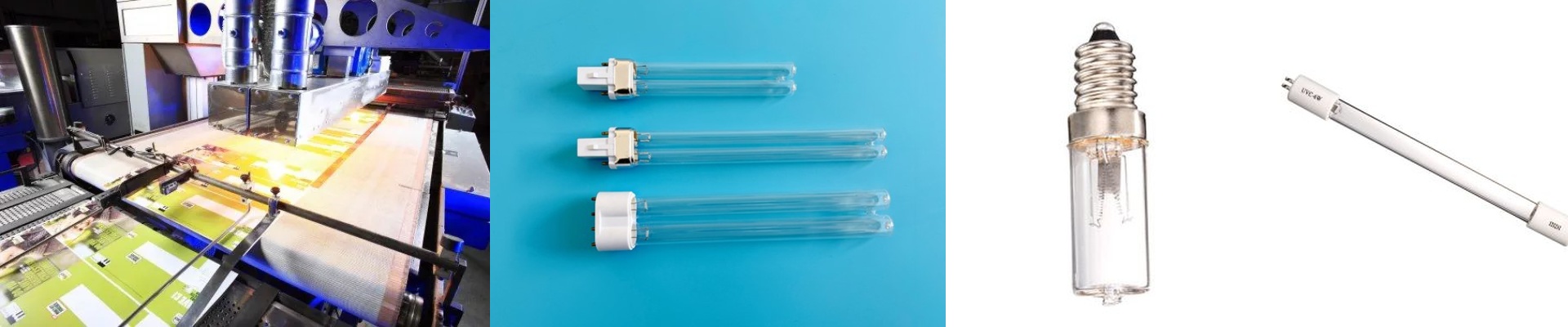
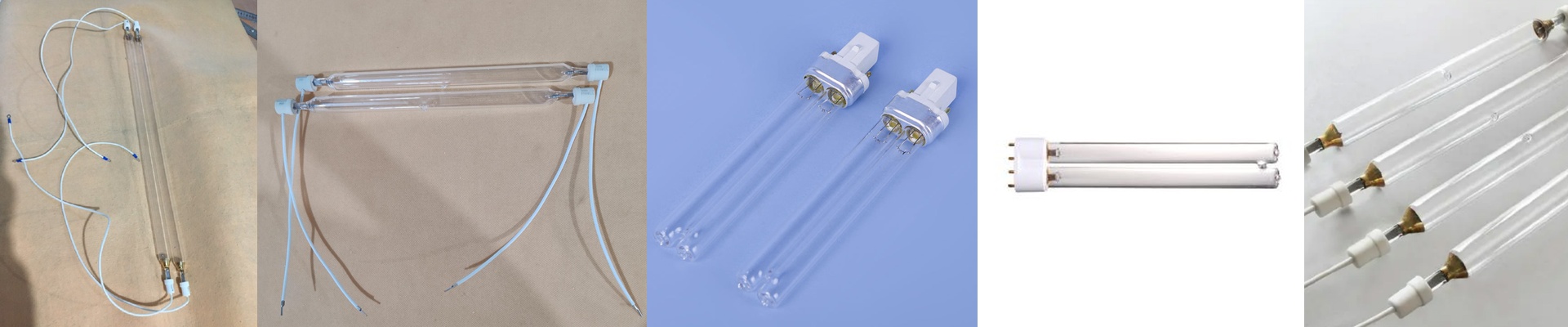
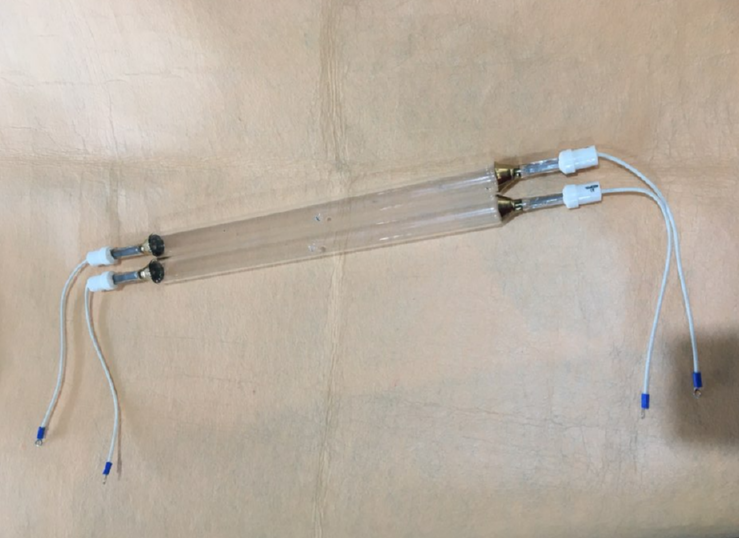
UV germicidal lamps aren’t just those standalone bulbs you see in a lab anymore. We’re treating light energy more like a precision tool now. The goal is simple: kill the germs without blowing out your electricity bill. The secret is in the wavelength. Most of these lamps waste a ton of energy just creating heat. That’s useless. We’re zeroing in on that 253.7nm sweet spot. By tweaking the mercury vapor and the phosphor coatings, we can hit the necessary power levels ($\mu W/cm^2$) using way fewer watts. It’s a win-win. You get the sterilization you need, and you can pack more lamps into your setup without worrying about tripping a breaker or overloading your panels. But here is where people usually mess up: the heat. We use synthetic quartz because regular glass basically blocks UVC. But quartz has its own quirk—the electrodes get hot. Really hot. If you just stick these in a tight box with no air, the electrodes start to evaporate. That’s how you kill your lamps early. You need actual airflow. If you skip the venting, you’re looking at losing about 20-30% of the lamp’s life. It’s a waste of money. Making it work on a real production line. If you’re running an automated line, leaving these things on 24/7 is a mistake. It’s expensive and burns out the tubes. Instead, we use smart triggers. The lamp fires only when a part is actually there. It’s efficient. It’s smarter. And it makes the hardware last much longer. These are drop-in replacements, so they’ll fit your standard G13 or specialty sockets without a fuss. Just a heads-up: high-intensity UVC is aggressive. It eats through certain plastics and seals. If you’re using standard conveyor belts or gaskets, check them. If they aren’t UV-resistant, they’ll start cracking in a few months. Better to swap them now than to deal with a breakdown later.