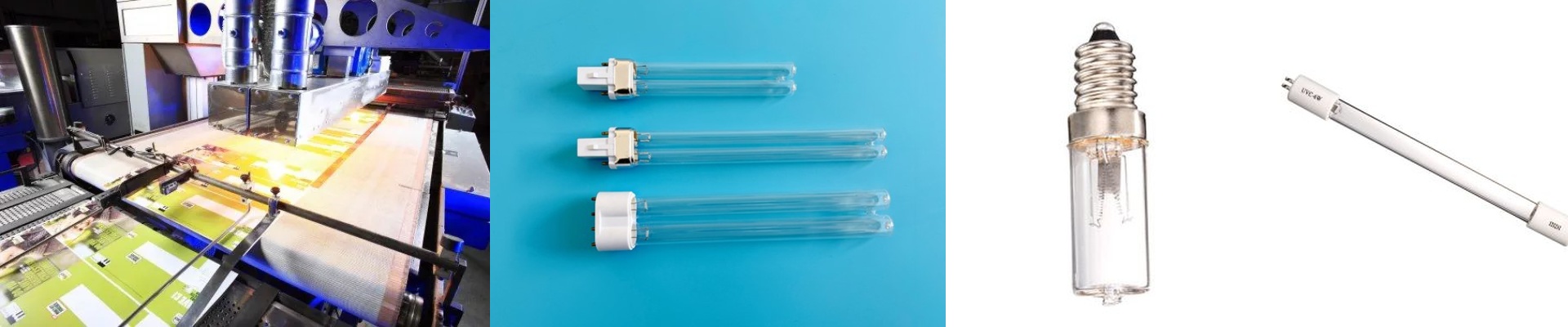
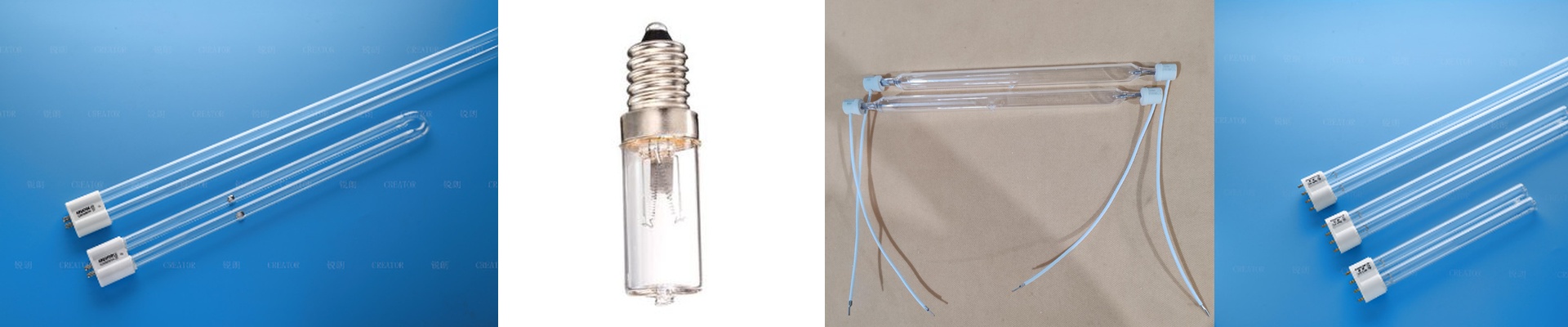
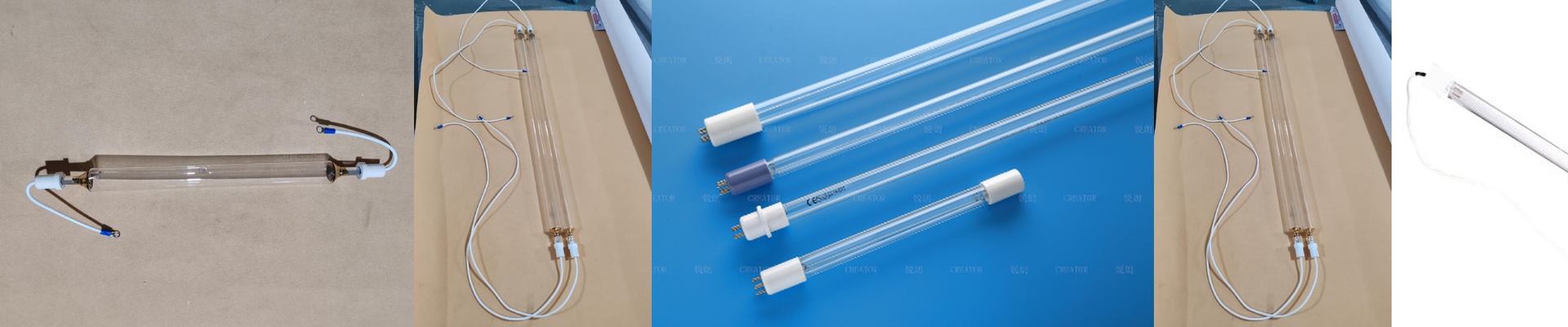
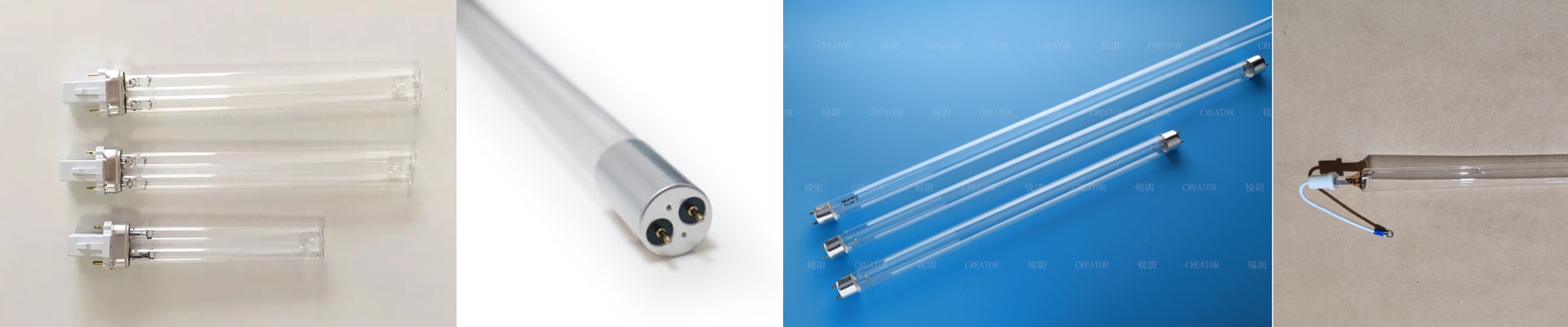
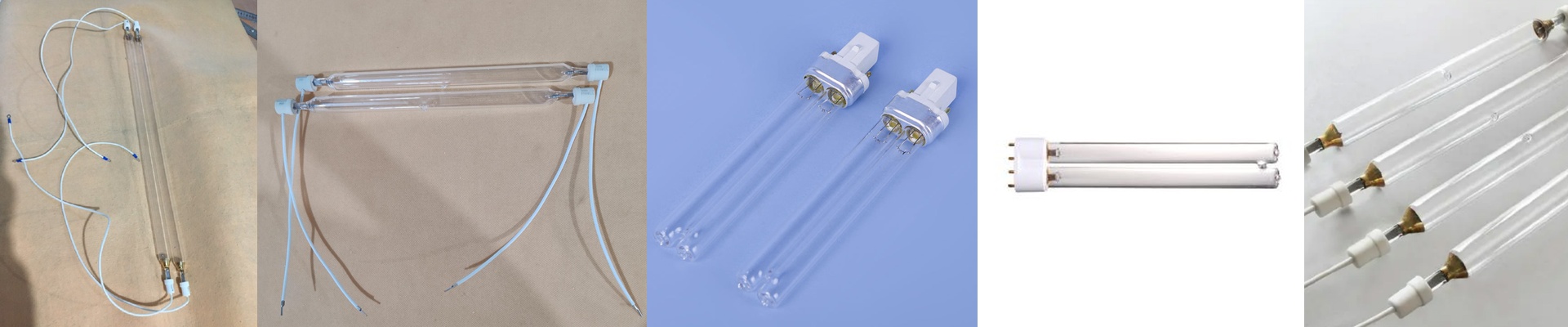
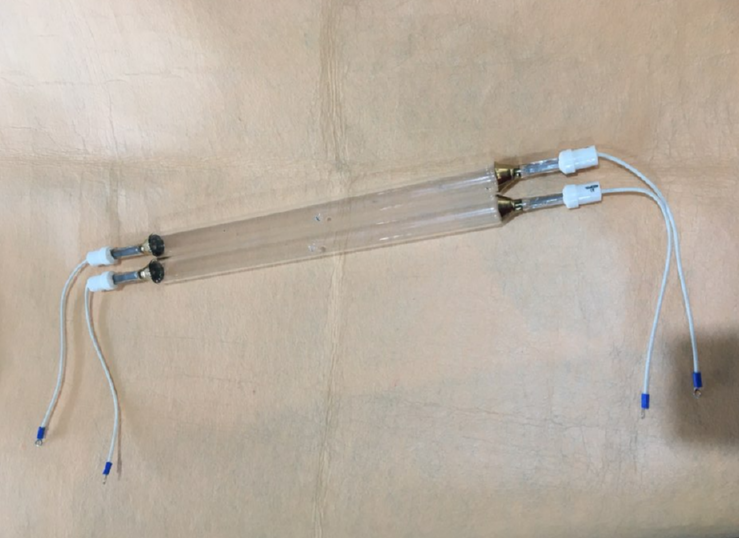
On the line, CPAP safety is a hard requirement — no shortcuts. Masks, humidifiers, airways — these parts need a disinfection cycle that’s repeatable, thorough, and doesn’t leave chemical residue or cook sensitive polymers. Conventional methods often drag on cycle time or drift in consistency, and that’s exactly where microbial survival finds a gap. UVC germicidal lamps are a direct, engineering-grade fix for that. What matters, technically We specify lamps with controlled 254 nm output — the wavelength microbes absorb hardest in their DNA and RNA. Peak irradiance at the target has to clear the inactivation threshold for bacteria, mold, and viruses, measured in mJ/cm². The system is built to hold that energy density across the full treatment area, so you get uniform log-reduction across the board. We run ozone-free quartz sleeves and high-purity mercury vapor to keep the exposure profile clean and safe. Lamp life is rated for thousands of hours, and we track output stability against the known degradation curve, not wishful thinking. Why this fits CPAP sanitation You need a process that keeps pace with high-throughput assembly without stressing materials. UVC gives you fast disinfection, so dwell time drops and line speed goes up. Because it’s non-contact, part geometry and surface finish stay intact — a big deal for patient comfort and device performance. Power draw is low compared to thermal methods, and the process is straightforward to validate with dosimetry. You get measurable, auditable results. Here’s what to watch for Installation has to handle line-of-sight coverage and shadows inside complex parts. Reflector geometry and lamp positioning make or break dose uniformity. Confirm housing materials are UVC-compatible — some polymers and adhesives will degrade under prolonged exposure. Keep a calibrated radiometer on hand and check output regularly to stay in compliance. And plan lamp replacement by cumulative operating hours, not the calendar. That’s how you keep target irradiance where it needs to be.